







What Is Apical Resection? When Is It Performed?
If you’ve already had a root canal treatment but you’re still experiencing pain, or your dentist tells you that the infection at the tip of your tooth root hasn’t fully healed, it’s completely natural to have questions. You may be wondering, “Why am I still having problems if I’ve already had a root canal?” or “Is there another way to save my tooth?” In cases like these, a procedure called apical resection may be recommended to help preserve your natural tooth whenever possible.
The name may sound a little intimidating if you’re hearing it for the first time, but apical resection is actually a well-established surgical procedure that has been successfully performed for many years. Instead of removing the entire tooth, the goal is to eliminate the infection located at the tip of the root, allowing the surrounding healthy tissues to heal properly. In many cases, this means giving you the opportunity to keep your natural tooth for many more years.
Many people assume that tooth extraction is the only option, but that isn’t always the case. If a persistent infection develops around the root tip after a root canal treatment or refuses to heal over time, apical resection may offer a way to resolve the problem without removing the tooth. While it may not be suitable for every patient, it is a highly successful treatment option when recommended for the right case.
What Is Apical Resection?
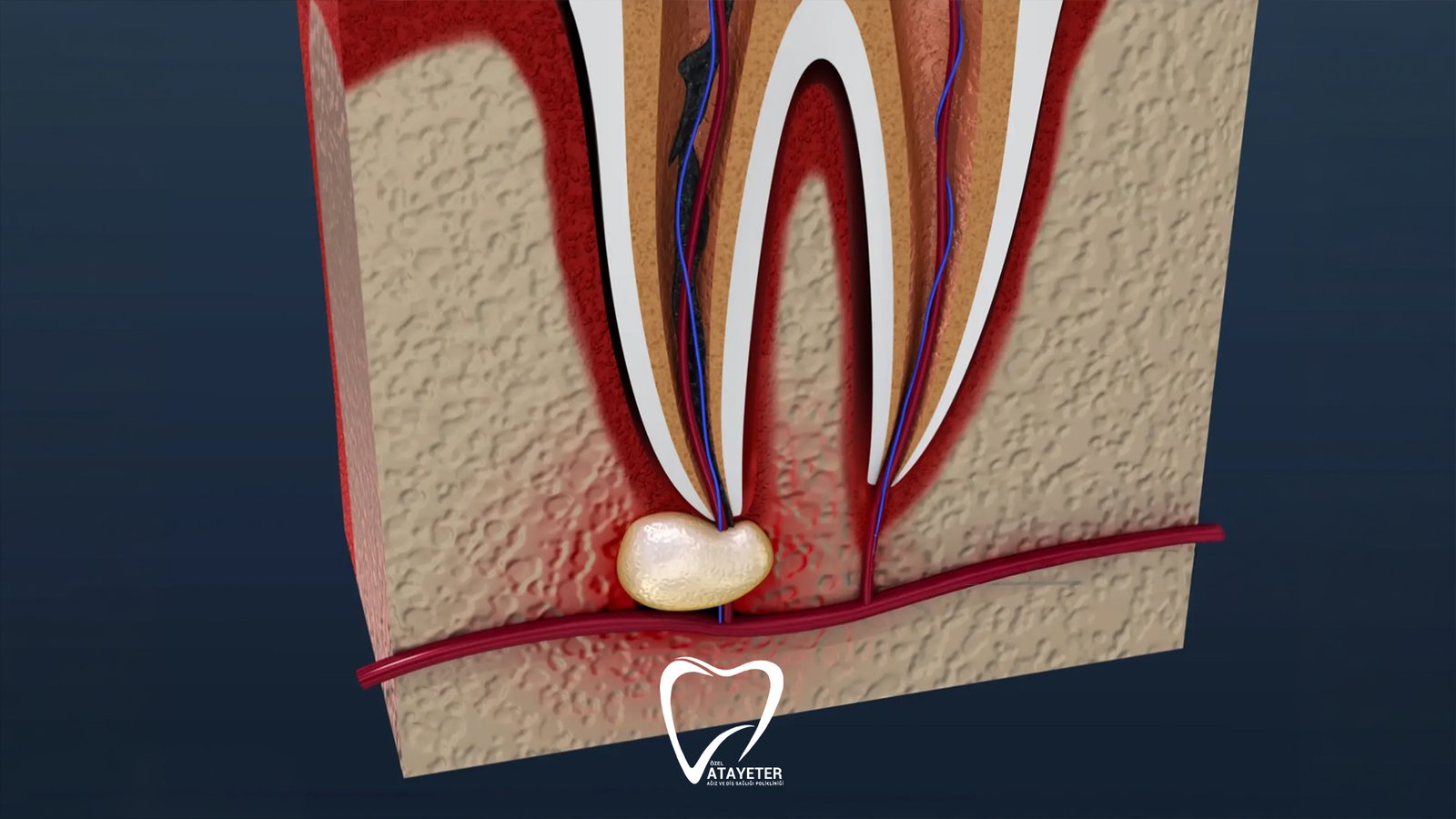
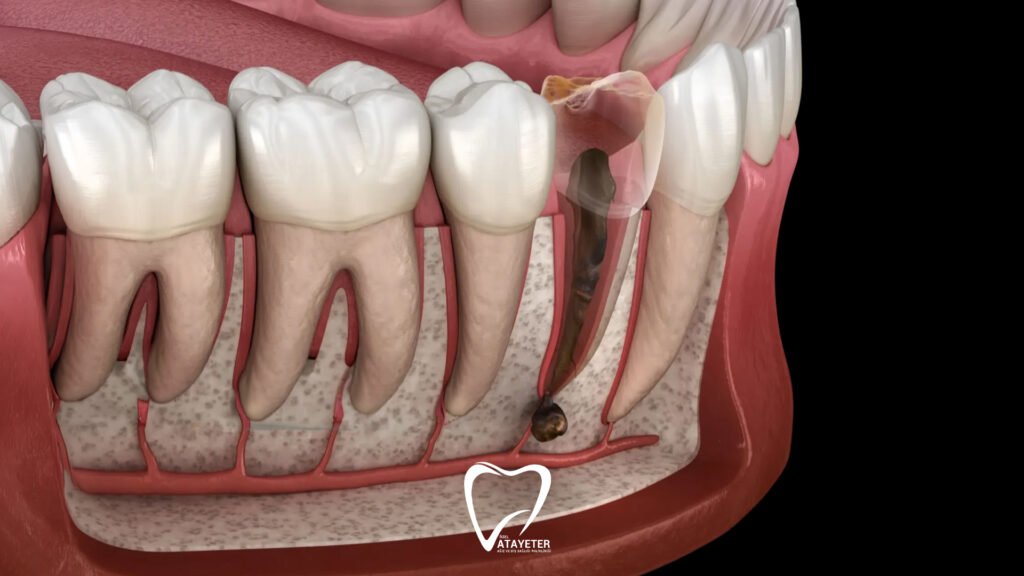
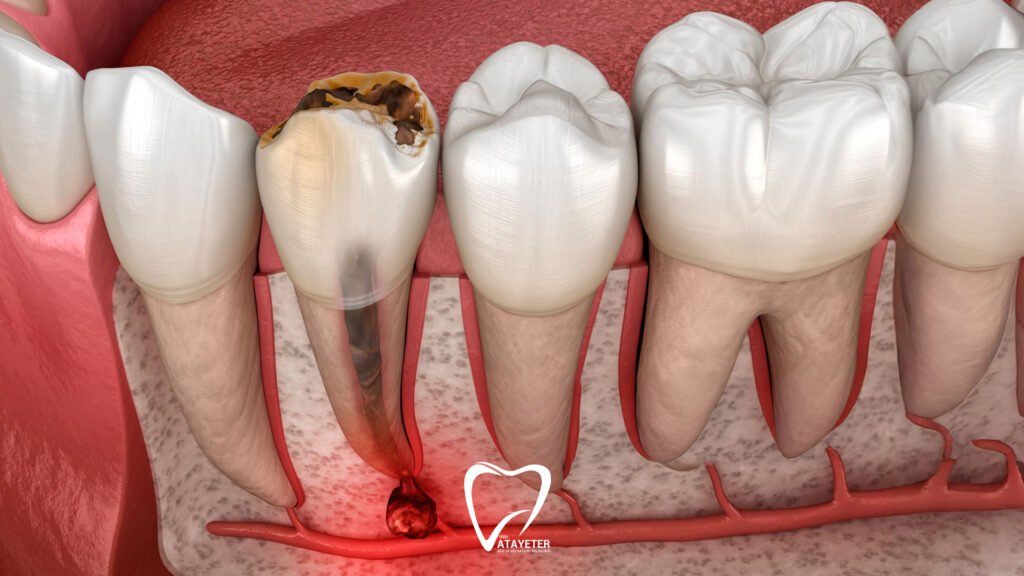
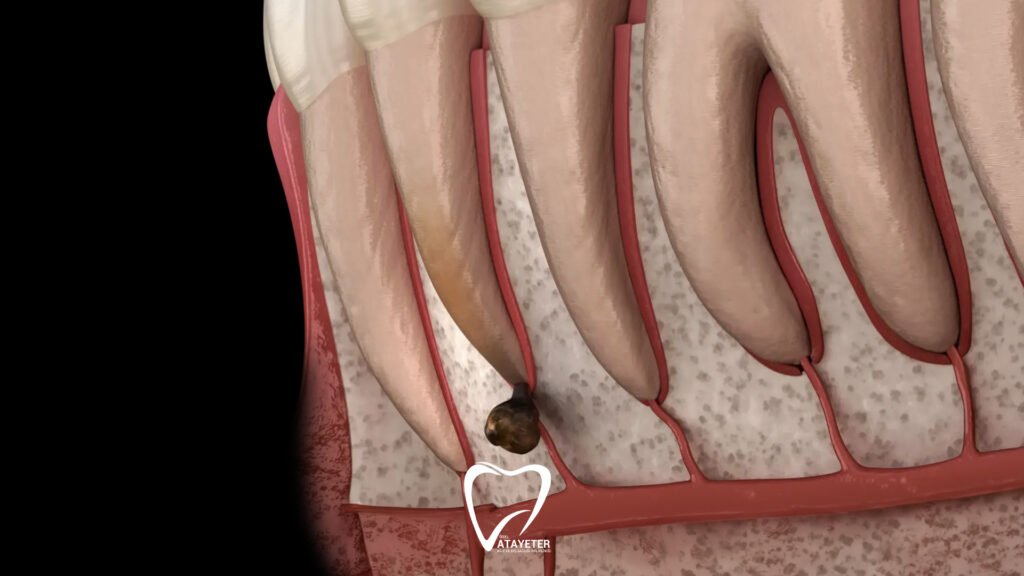
Apical resection is a minor surgical procedure designed to remove an infection located at the tip of a tooth root. In some cases, even after a root canal treatment has been completed, the infection around the root tip may not heal completely or may return later. Rather than extracting the tooth immediately, your dentist can access the root tip directly, remove the source of the infection, and help preserve the tooth.
During the procedure, the infected end of the tooth root and the surrounding inflamed tissue are carefully removed. The root tip is then sealed with a special biocompatible filling material to help prevent bacteria from re entering the area. This significantly reduces the risk of the infection coming back while supporting the natural healing process.
One of the biggest advantages of apical resection is that it focuses on preserving your natural tooth. No artificial replacement can fully match the function and feel of a healthy natural tooth. For this reason, dentists always consider tooth saving treatments before recommending extraction whenever possible.
In most cases, apical resection is recommended when a second root canal treatment is not possible, when a previous root canal has failed to eliminate the infection, or when there is a long standing infection around the root tip. When performed in suitable cases, this procedure allows many patients to keep their natural teeth healthy and functional for years to come.
Why Is Apical Resection Performed?
Root canal treatment is one of the most successful procedures in modern dentistry, and in most cases, treated teeth remain healthy for many years. However, every situation is different. Sometimes, even when the treatment has been carried out correctly, the infection around the root tip may not heal completely or may return after some time. This doesn’t necessarily mean that the original treatment failed. Factors such as the complexity of the root canal anatomy, the nature of the infection, or previous damage to the tooth can make complete healing more challenging.
When this happens, apical resection becomes an important option for treating the infection without removing the tooth. The goal is to access the affected area directly, eliminate the source of the infection, and help preserve the tooth in a healthy condition.
Your dentist may recommend apical resection in the following situations:
- An infection that persists or returns after root canal treatment
- A cyst or granuloma developing at the tip of the tooth root
- When repeat root canal treatment is not technically possible
- A broken instrument inside the root canal causing ongoing infection
- Root anatomy that prevents access to the infected root tip through conventional root canal treatment
- Persistent pain, swelling, or sensitivity long after root canal treatment
- A chronic infection located around the tip of the tooth root
In situations like these, extracting the tooth is not always the first or best option. If the overall structure of the tooth is healthy and there is still a good chance of saving it, dentists will usually consider treatments that help preserve your natural tooth before recommending extraction. Apical resection is one of the most important tooth saving procedures available. When carefully planned and performed in the right cases, it can help many patients keep their natural teeth healthy and functional for many years.
How Is Apical Resection Performed?
When people hear the term apical resection, they often imagine a long and painful surgical procedure. In reality, however, the process is much simpler and more comfortable than most expect. Since the procedure is performed under local anesthesia, you won’t feel any pain during the treatment. Most patients only notice a slight feeling of pressure while the procedure is being carried out.
Before the treatment begins, the area is completely numbed with local anesthesia. Your dentist then creates a small opening in the gum tissue to access the tip of the tooth root. The infected tissue is carefully removed, along with approximately 2 to 3 millimeters of the affected root tip.
Once the area has been thoroughly cleaned, a biocompatible filling material may be placed at the end of the root to reduce the risk of future infection. Finally, the surgical site is cleaned, the gum tissue is repositioned, and the area is closed with a few small stitches.
Apical resection usually takes between 30 and 60 minutes to complete. The exact duration may vary depending on the extent of the infection, the location of the tooth, and the complexity of the procedure.
Is Apical Resection a Painful Procedure?
One of the most common concerns patients have when apical resection is recommended is whether the procedure will be painful. This concern is completely understandable. Fortunately, most patients are pleasantly surprised by how comfortable the treatment actually is.
Because the procedure is performed under local anesthesia, you should not experience pain during the treatment. You may notice a slight sensation of pressure or movement, but this is perfectly normal.
After the procedure, it is common to experience mild discomfort, tenderness, or swelling around the treated area for a few days. These symptoms are usually well managed with the medications and aftercare instructions provided by your dentist.
However, if the pain becomes increasingly severe, lasts longer than expected, or is accompanied by significant swelling, you should contact your dentist without delay for further evaluation.
Who Is Not a Suitable Candidate for Apical Resection?
Although apical resection is a highly effective treatment in many situations, it may not be the right option for every patient. Before recommending the procedure, your dentist will carefully evaluate both the condition of the tooth and your overall oral and general health.
For example, if the tooth has a severe fracture, significant mobility, or extensive loss of the supporting bone, apical resection may not provide a predictable long term outcome. Likewise, if the tooth cannot be properly restored after treatment, alternative treatment options may be more appropriate.
In addition, certain medical conditions or factors that increase the risks associated with oral surgery may influence the treatment plan. In these situations, your dentist will carefully assess your condition and recommend the safest and most appropriate treatment option based on your individual needs.