







Gum Inflammation
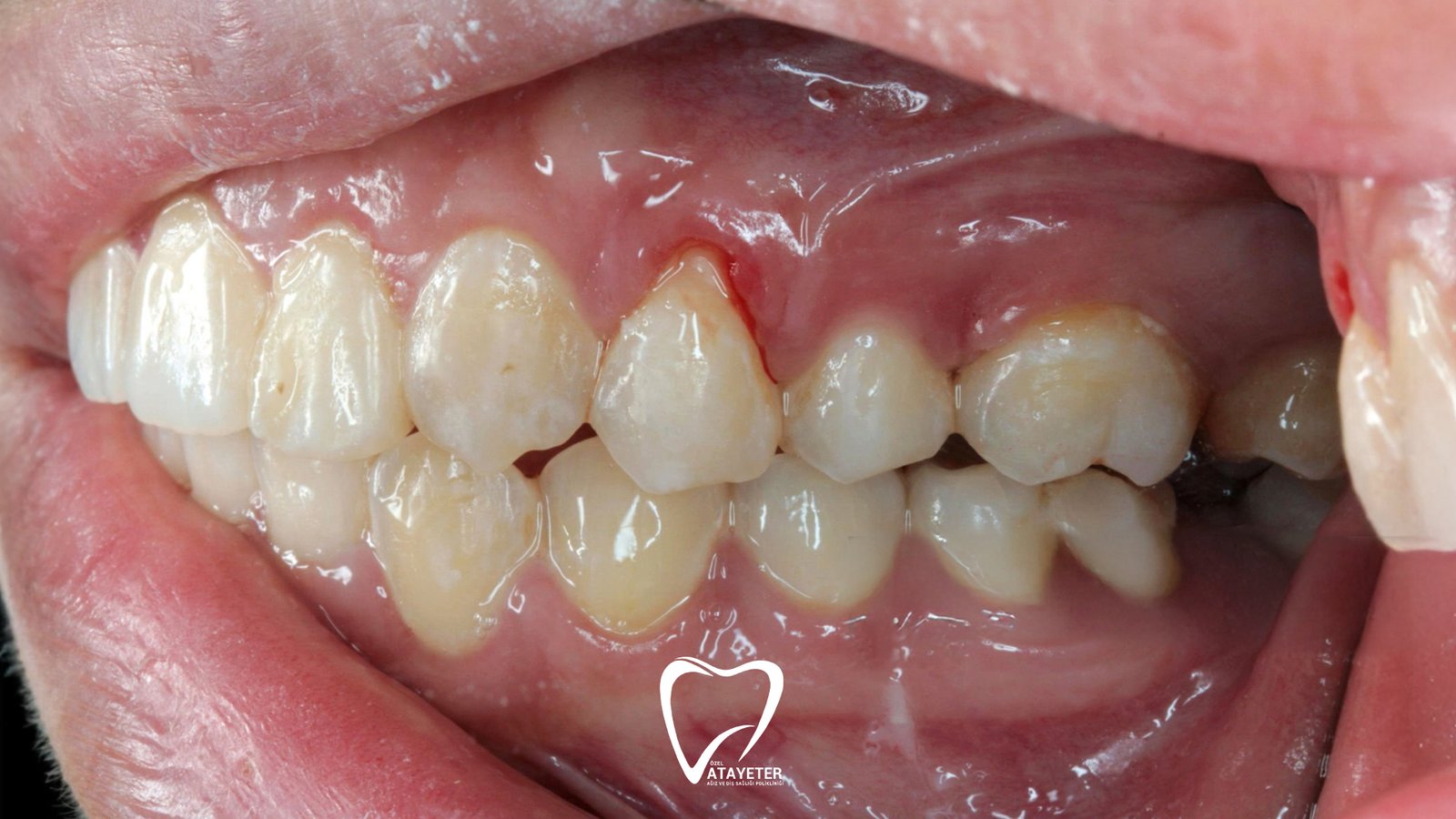
Gum inflammation is one of those oral health problems that almost everyone experiences at some point in life, but is usually taken lightly with the thought of “I’ll just brush a bit more and it will go away.” At first, it may seem harmless; slight bleeding while brushing, redness in the gums, or occasional sensitivity… Most people see these as normal daily issues and don’t give them much importance. However, the truth is that these small signals from the gums are actually the body’s way of saying “something is not right.”
In reality, gum inflammation is not just a minor issue inside the mouth. If left untreated, it can progress into the deeper layers of the gums, weaken the structures that support the teeth, and eventually lead to much more serious periodontal problems. In some cases, this process can even reach a point where tooth loss becomes possible. So, what initially seems like a small and unimportant issue can turn into a much bigger problem if ignored.
But here is the important part: this is not an irreversible condition. On the contrary, when detected early and supported with proper oral care, it can be brought under control quite easily. Regular cleaning, correct brushing habits, and professional dental treatment when needed can help the gums regain their health in a short time.
What is Gum Inflammation?
Gum inflammation, known in dentistry as “gingivitis,” is a very common gum condition. In its simplest form, it occurs as a response of the gums to bacterial plaque that accumulates in the mouth. In other words, it is the body’s natural defense mechanism trying to protect itself.
During the day, food particles build up on the surface of the teeth. If this buildup is not cleaned regularly, it turns into what we call plaque. The bacteria inside this plaque irritate the gums. As a result, symptoms such as redness, mild swelling, and especially bleeding during brushing start to appear.
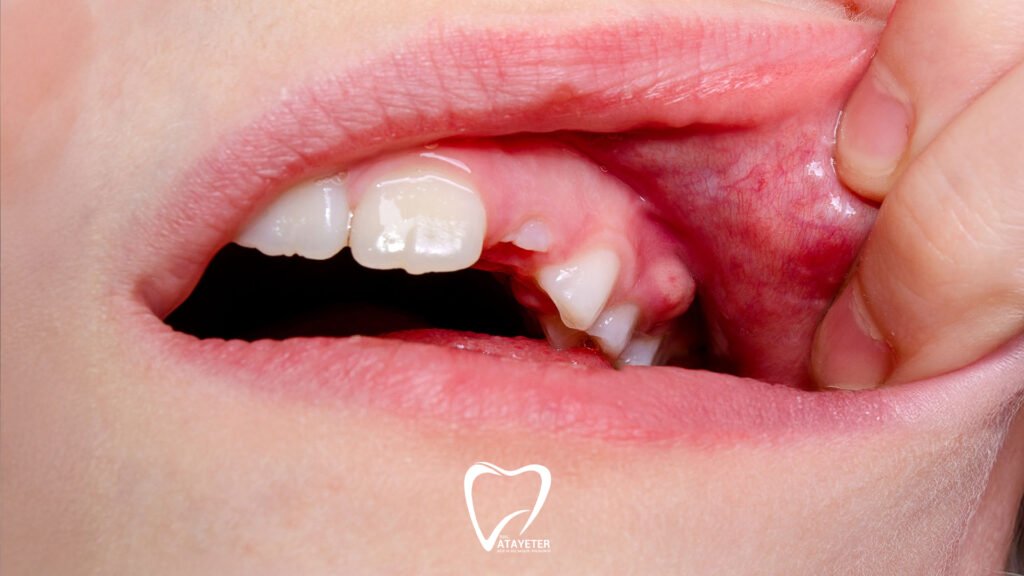
In the early stages, there is usually no significant pain. That’s why many people ignore it or think it is not important. However, the most misleading part of gum inflammation is exactly here: it progresses silently without causing obvious pain. Because of this, if it is not noticed early, it can lead to more serious gum diseases over time.
Why Does Gum Inflammation Occur?
The main cause of gum inflammation is often simpler than we think: poor oral hygiene. However, there are also several daily habits that can trigger this condition without us even realizing it.
For example, not brushing teeth properly and regularly, neglecting dental floss, or the buildup of plaque and hardened tartar directly affect the gums. In addition, smoking reduces the gums’ ability to heal, making the situation worse.
Sometimes there are also factors beyond personal control. Hormonal changes, especially during pregnancy, can make the gums more sensitive. Likewise, a weak immune system or an unhealthy, unbalanced diet can also reduce gum resistance.
One important but often overlooked point is technique. Even if a person brushes their teeth regularly every day, using the wrong technique may still leave plaque behind. This can eventually lead to gum problems. In other words, brushing alone is not enough; how you brush is just as important.
What Are the Symptoms of Gum Inflammation?
Gum inflammation usually does not appear suddenly; it develops slowly and shows itself over time. That’s why early signs are often missed or ignored.
One of the most common symptoms is bleeding while brushing or sometimes while biting something hard. In addition, redness in the gums, unusual swelling, and tenderness when touched are also frequently seen. Some people may also experience persistent bad breath, which can become uncomfortable in daily life.
In more advanced cases, gum recession or even a slight feeling of tooth mobility may occur. These signs usually indicate that the problem is no longer just superficial.
One of the most important warning signs is gum bleeding, which many people consider normal due to habit. However, this is actually one of the clearest signals the body gives.
If these symptoms do not go away quickly and continue for days or weeks, it should not be seen as a simple sensitivity. At this point, a gum inflammation process may already have started, and early intervention becomes very important.
What Happens If It Is Not Treated?
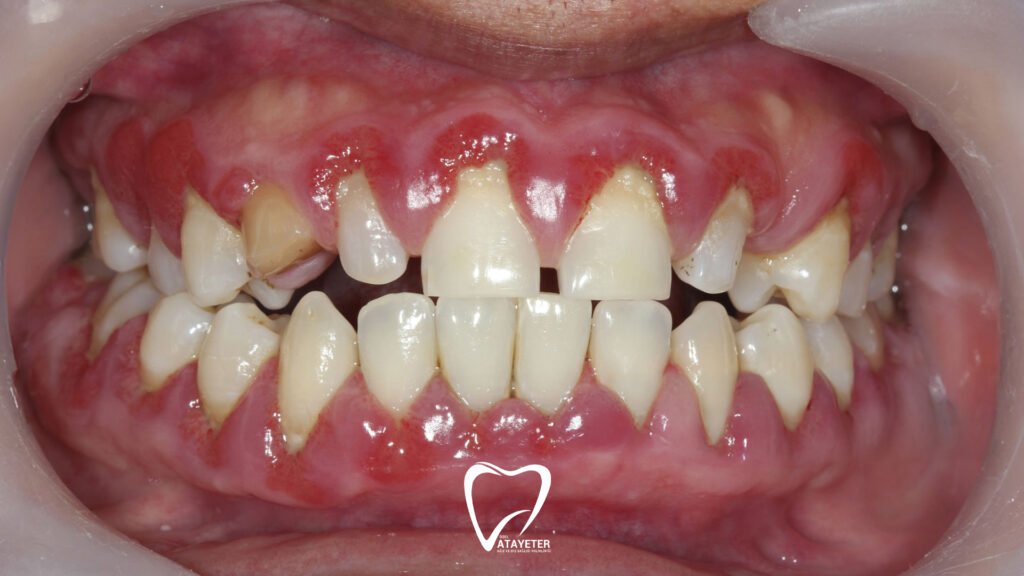
At first, gum inflammation may seem like a minor issue. However, if it is not treated, the condition can gradually become more complex. In particular, it may progress into a more serious gum disease called “periodontitis.”
Periodontitis affects not only the gums but also the bone structure that holds the teeth in place. This means the problem goes deeper than the surface and reaches the supporting structures of the teeth, leading to unwanted consequences.
Over time, teeth may start to feel loose, and in some cases, tooth loss may occur. In addition, bone loss in the jaw can develop, which may negatively affect both oral health and appearance.
How Does Gum Inflammation Go Away?
The good news is that gum inflammation can be fully controlled, especially when detected early. In fact, with the right steps, noticeable relief can often be felt in a short time. The most important point here is not to delay treatment.
The first step is usually professional dental cleaning. Plaque and tartar buildup must be removed for the gums to fully recover. This cleaning performed by a dentist is often the most critical starting point of the healing process.
In addition, daily oral care habits must be improved. Brushing properly and regularly, using dental floss as a routine habit, and using antiseptic mouthwash if recommended by a dentist can significantly support recovery. If the person smokes, quitting can also noticeably speed up healing, as smoking slows down gum regeneration.
In some advanced cases, additional treatments may be required, but in most early stage situations, gums can return to a healthy state with proper care and consistent habits. The key is to manage the process without ignoring it or thinking “it will pass on its own.”
Why Do We Notice It Late?
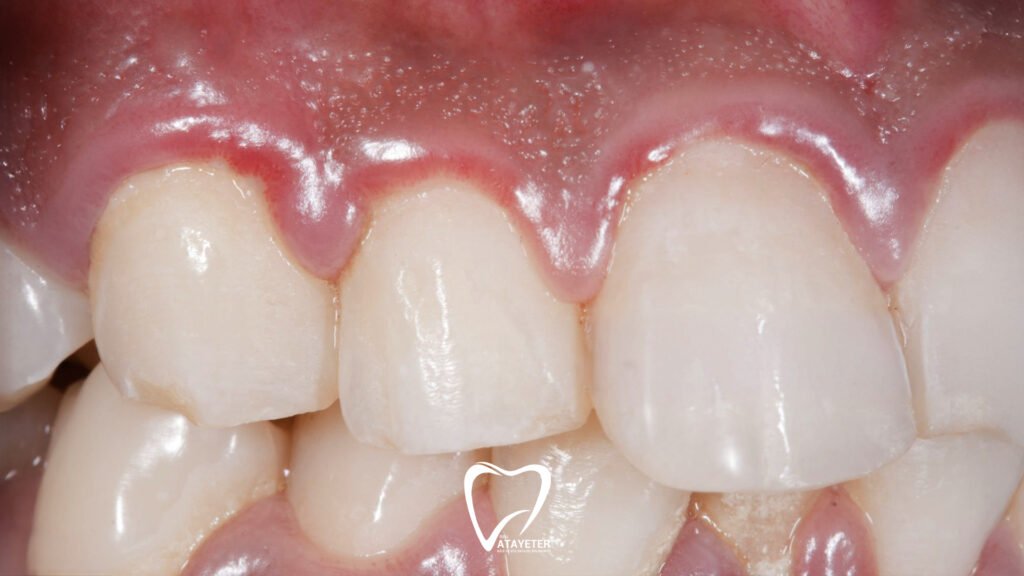
The simplest and most common reason is that gum inflammation does not usually cause pain in the beginning. The process develops slowly without creating strong discomfort in daily life. Because of this, most people think “everything is fine” and do not take it seriously.
However, underneath the surface, a silent process continues. The gums react to inflammation by becoming red, sensitive, and gradually affected in their structure. But since these signs are often very mild, they are easily overlooked.
Comments are closed