







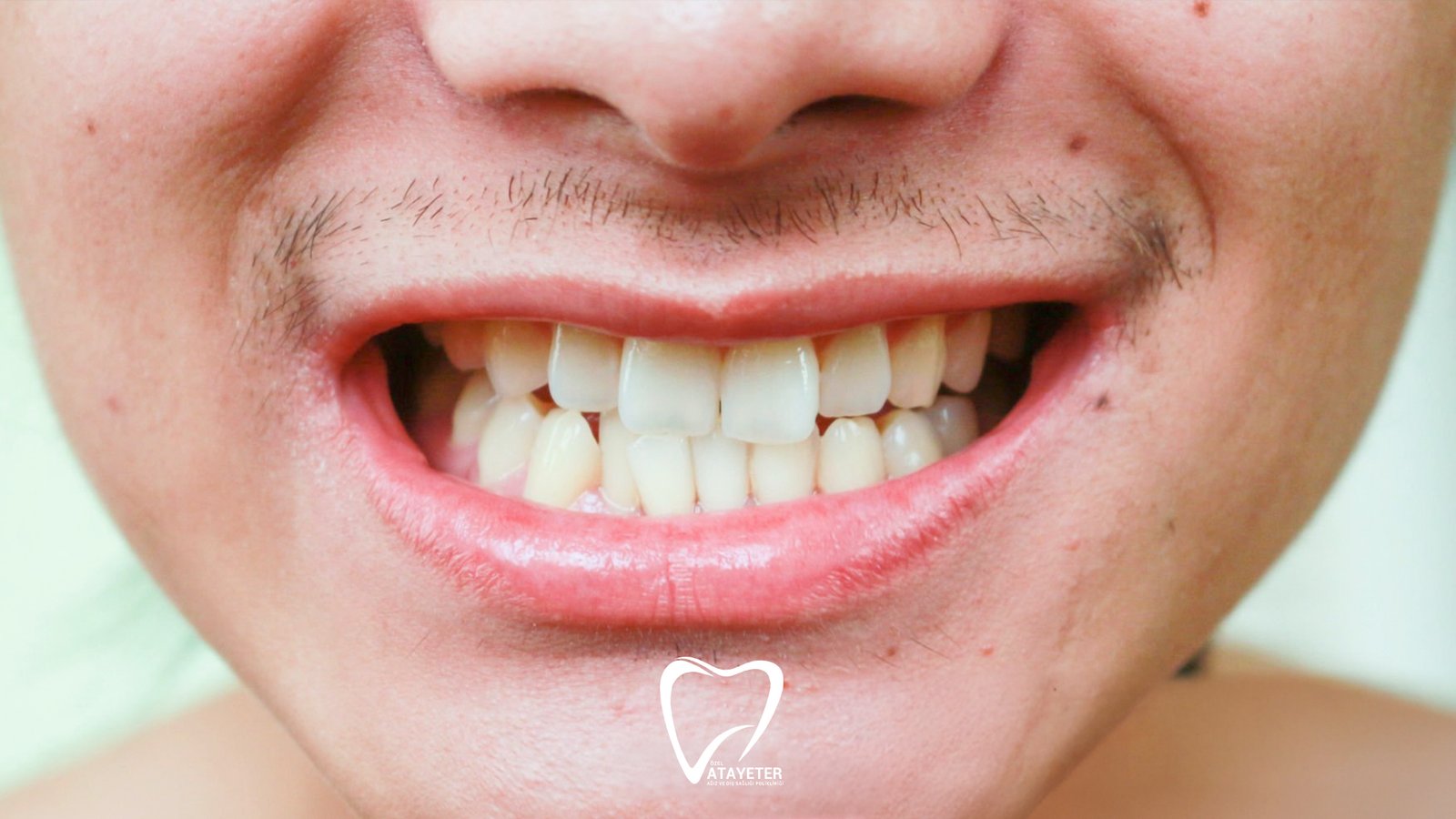
Causes of Teeth Grinding
Teeth grinding, known medically as bruxism, is actually a condition that many people experience without even realizing it, yet over time it can seriously affect quality of life. Most people assume that the jaw pain, headaches, or tooth sensitivity they feel in the morning is just normal tiredness. However, these seemingly small complaints may actually be caused by unconscious teeth grinding during the night.
What’s interesting is that bruxism can progress silently for a long time. A person may go days or even months without realizing they are grinding their teeth. Usually, it is detected during a dental check up when tooth wear is noticed or when symptoms become more obvious. In other words, the body has already been sending signals for a while, but they are often ignored in the rush of daily life.
Teeth grinding is not just a dental issue. It actually involves the jaw muscles, the nervous system, and often stress factors as well. A busy daily routine, mental pressure, anxiety, and constant overthinking can cause the jaw muscles to stay tense without you noticing. This leads to clenching or grinding during sleep. In some people it remains mild, while in others it can progress to enamel wear, broken fillings, and even temporomandibular joint problems.
Many people think teeth grinding is only related to stress, but the picture is actually broader. Sleep disorders, misaligned teeth (bite problems), side effects of certain medications, and lifestyle habits can also trigger this condition. Especially when poor sleep, caffeine consumption, and stress combine, bruxism becomes much more noticeable.
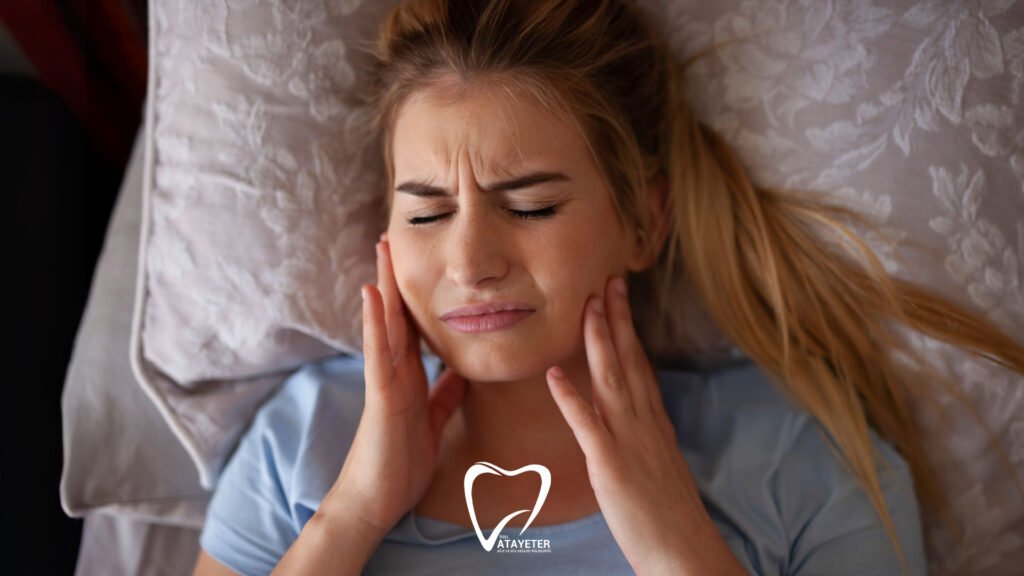
If you often wake up feeling tired, with a heavy sensation in your jaw, throbbing at your temples, or unexplained headaches during the day, none of these may be coincidental. Some people may even experience tooth sensitivity due to grinding, as constant pressure can gradually wear down the protective enamel layer.
Stress and Daily Life Pressure
One of the most common causes of teeth grinding is undoubtedly stress. The fast pace of daily life, workload pressure, financial concerns, family responsibilities, or relationship issues can create an invisible burden. Interestingly, we don’t always consciously feel this pressure, but the body finds a way to express it and the jaw muscles are often one of those outlets.
The jaw muscles are one of the quietest yet strongest ways stress manifests. Emotions we suppress during the day, thoughts we don’t express, and worries we carry inside often resurface at night. In many people, this shows up as clenching or grinding during sleep. So the tension built up throughout the day is released through the jaw without awareness.
In a way, this can be seen as the body’s attempt to maintain balance. Emotions that are controlled or suppressed during the day may come out when the conscious control mechanisms shut down during sleep. In people under intense stress, this becomes more noticeable. For some, it appears only during certain periods, while for others it can become a long term habit.
Anxiety and Emotional Tension
Closely related to stress, anxiety is another important trigger of teeth grinding. Constant overthinking, replaying events in the mind, and getting stuck in “what if” scenarios keep the brain in a constantly active state. This mental activity doesn’t stay in the mind alone it also affects the body.
Many people realize only later that they clench their jaw or press their teeth together during the day without noticing. This is especially common while working at a computer, driving in traffic, or concentrating deeply. As focus increases, the body unconsciously becomes more tense.
One important point is this: people often assume it is just a habit, but in reality it is a physical stress response. The body stays in a constant state of alertness, and over time this leads to continuous activation of the jaw muscles, eventually resulting in bruxism.

Sleep Disorders and Irregular Sleep
Another often overlooked but very important cause of teeth grinding is sleep quality. Poor sleep, frequent waking during the night, or irregular sleep patterns prevent the body from fully resting. When the brain cannot properly enter a relaxed state, muscle activity also becomes irregular, which can lead to involuntary jaw clenching and grinding.
Some people wake up in the morning without understanding why they feel so tired. In reality, the body may have remained in a semi active state throughout the night. This results in jaw pain, headaches, and general fatigue in the morning.
Another important factor is sleep disorders such as sleep apnea. In such cases, a person may experience breathing interruptions during sleep without realizing it, and the body may develop reflex responses to compensate. Teeth grinding can be one of these reflexes. So the issue is not only about the teeth, but about overall sleep quality. If you regularly wake up tired and feel discomfort in your jaw area, your sleep patterns should definitely be considered.
Bite Problems (Malocclusion)
Sometimes the cause of teeth grinding is not psychological but physical. If there is a misalignment in the way the teeth come together meaning the upper and lower teeth do not fit properly the jaw muscles continuously try to find a balanced position.
This can be seen as the body’s attempt to “find the right position.” However, this effort becomes uncontrolled during sleep, leading to constant muscle activity and grinding. The person is unaware of it, but the muscles remain in a continuous adjustment process.
Caffeine and Stimulants
Some daily habits can also trigger this condition. Excessive coffee consumption, energy drinks, and nicotine use can all increase jaw muscle tension.
Caffeine stimulates the nervous system and keeps the body in a more “alert and active” state. While this may seem beneficial during the day, it can make it harder for muscles to relax later. Especially when consumed before bedtime, it may increase the likelihood of teeth grinding. These small habits can have significant long-term effects.

Genetic Predisposition
In some cases, teeth grinding may also be a hereditary tendency. People with a family history of bruxism are more likely to experience it themselves. Of course, this is not a strict rule, but it is a factor that can increase susceptibility.
Sometimes people assume their problem is unique, but noticing similar issues within the family can actually be quite revealing. That is why genetics is a small but important piece of the overall picture.
Bruxism is usually a silent condition. People often do not notice it at first. However, there are some symptoms that are actually small signals from the body:
- Waking up with jaw pain in the morning
- Headaches (especially in the temple area)
- Tooth sensitivity
- Tooth wear
- Clicking sound from the jaw joint
- Tired facial expression
If you have these symptoms, there is a high possibility of teeth grinding.