







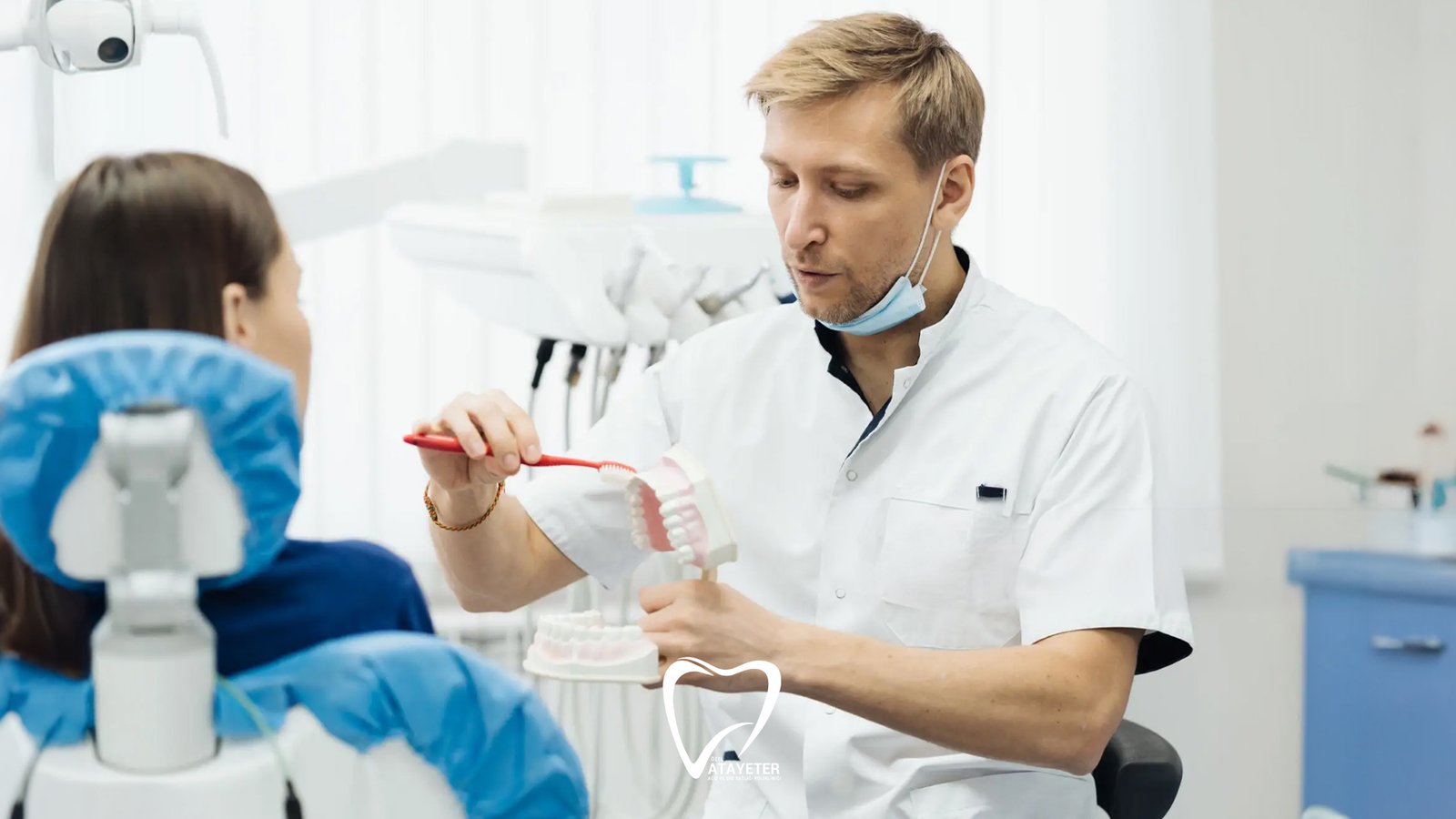
Proper Tooth Brushing
Brushing your teeth is something most of us do without even thinking. We wake up in the morning and instinctively reach for our toothbrush, and we repeat the same routine before going to bed at night. But if we’re being honest, most of the time we’re not really focused on doing it properly we’re just doing it because we feel like we have to. This quick routine we finish in front of the mirror actually has a much bigger impact than we realize.
Because brushing your teeth is not just about cleaning them. It’s the foundation of maintaining good oral health. Throughout the day, the food and drinks we consume and even the bacteria we don’t notice form a thin layer on the surface of our teeth. This layer is called plaque, and if it’s not removed regularly and properly, it can harden into tartar over time. At that point, things can become more complicated. Problems that could have been prevented with a simple routine can turn into more serious and time consuming treatments.
Many people feel safe thinking, “I already brush every day.” But the important part isn’t just brushing it’s how you brush. Brushing with the wrong technique, rushing through it, or not spending enough time can simply move plaque around instead of removing it. In some cases, brushing too hard or with uncontrolled movements can even damage the enamel and lead to tooth sensitivity. That’s when even drinking cold water can start to feel uncomfortable.
On the other hand, your gum health is directly affected by your brushing habits as well. Incorrect brushing can lead to gum recession, bleeding, and over time, more serious gum diseases. These issues often develop slowly, which makes them easy to overlook. But by the time you notice them, you may already need longer and more costly treatments.
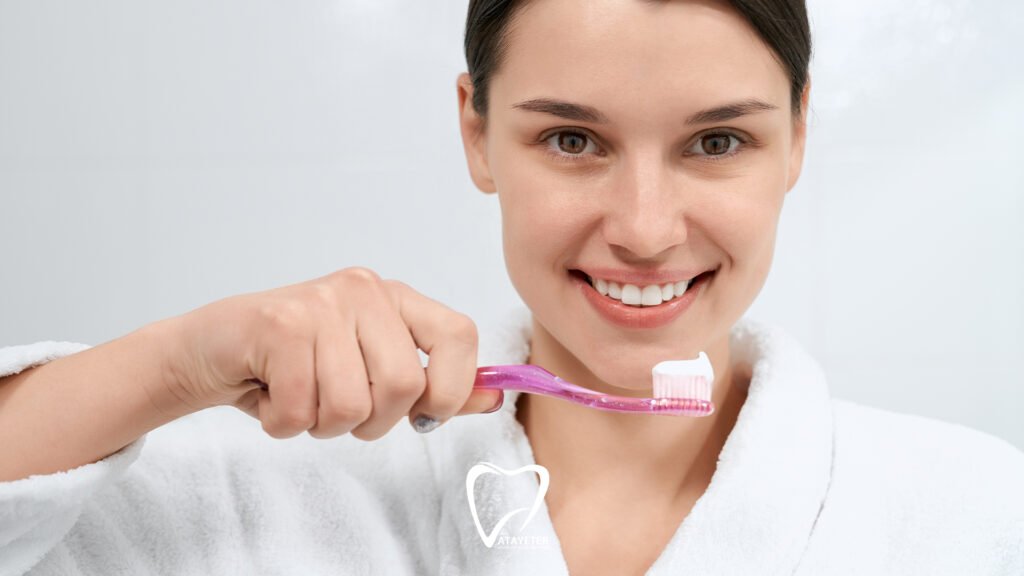
In reality, it’s quite simple: just a few minutes of proper care can save you from hours of dental treatment in the future. Instead of seeing brushing as a chore, it’s better to think of it as a small but valuable investment in yourself. Because healthy teeth are not only about having a nice smile they’re also the key to a more comfortable life.
Choosing the Right Toothbrush and Toothpaste
Many people think that brushing alone is enough when it comes to dental care, but there’s a bit more to it. Getting good results isn’t just about brushing regularly it’s also about using the right tools for you. In other words, your toothbrush and toothpaste are the unseen but essential parts of this routine.
Choosing a toothbrush is more important than it may seem. It’s not about the brand or the color what really matters is its structure. First of all, the bristles shouldn’t be too hard. A lot of people believe that “harder means cleaner,” but that’s a misconception. Hard bristles can wear down your enamel over time and irritate your gums, leading to sensitivity and even gum recession.
That’s why a soft or medium bristled toothbrush is usually the best choice. The size of the brush head also matters it should suit your mouth. Large brush heads can make it harder to reach the back teeth effectively. Smaller, more manageable heads allow better control and coverage. And here’s a detail many people overlook: the bristles should be even and well arranged. Uneven or poor quality bristles simply can’t clean the tooth surface properly.
Choosing the right toothpaste is just as important. With so many options on the shelves, it can feel a bit overwhelming. But there’s one simple rule: go for a toothpaste that contains fluoride. Fluoride helps strengthen the enamel and plays a key role in protecting your teeth against decay.
As for “quick whitening” toothpastes, it’s better to be a bit cautious. They might give a brighter look in the short term, but constant use can be harsh on your teeth. If you have sensitivity, choosing a toothpaste designed specifically for that is a much better option. Otherwise, everyday things like hot or cold drinks can start to feel uncomfortable.
How Long Should You Brush Your Teeth?
One of the most common mistakes when brushing is not paying attention to how long we do it. Most of the time, we grab the toothbrush, do a quick pass, and call it done. In fact, many people don’t even reach a full minute without realizing it.
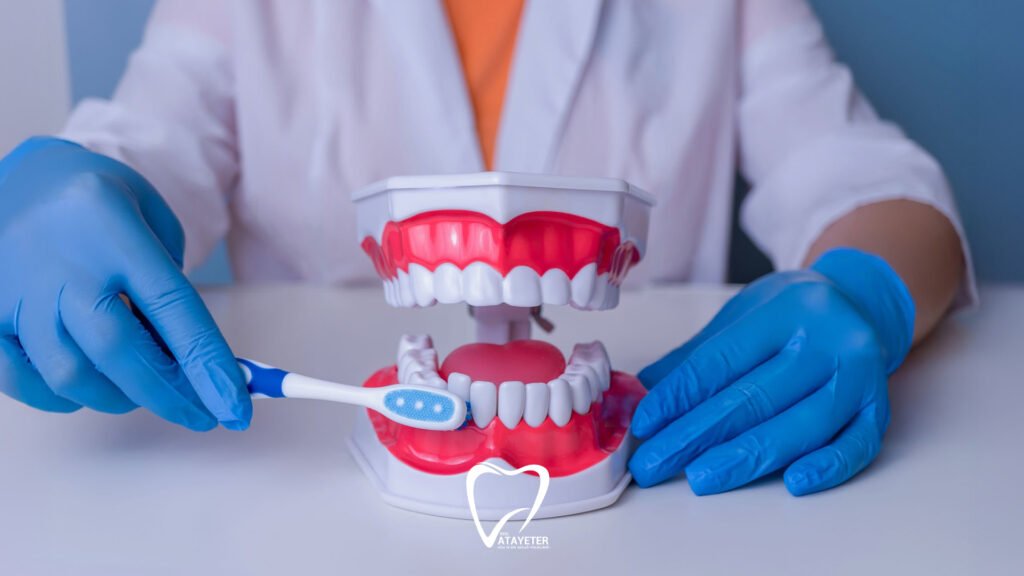
However, effective cleaning requires a bit more time. Brushing your teeth for at least 2 minutes is important to properly remove plaque. To make this easier, you can divide your mouth into four sections and spend about 30 seconds on each. This way, you won’t miss any area and you’ll have a more balanced cleaning routine.
It may seem like a small detail, but it makes a big difference. At first, it might feel long, but once you get used to it, it becomes completely natural. In fact, after a while, you might even notice when you haven’t brushed long enough.
What Is the Proper Brushing Technique?
This is where it really matters. No matter how good your toothbrush or toothpaste is, using the wrong technique will limit your results. Many people think brushing quickly side to side is enough, but in reality, that only provides a superficial clean.
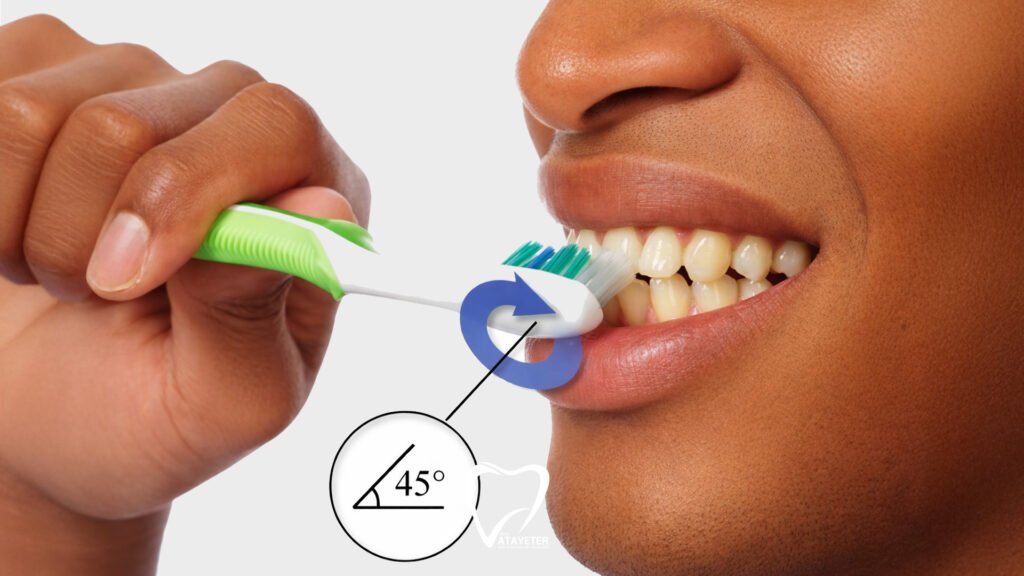
Proper brushing requires a bit more care and control. Start by placing your toothbrush at about a 45 degree angle where the teeth meet the gums. The goal is to clean not just the teeth, but also the gumline where plaque tends to build up.
Instead of using forceful, harsh movements, gentle circular motions are much more effective. Clean the upper teeth with a downward motion and the lower teeth with an upward motion, almost like sweeping. This helps protect the enamel while guiding debris away properly.
One commonly missed area is the inner surface of the front teeth. Because it’s a tighter space, it often gets overlooked, but plaque builds up there easily. The chewing surfaces of the molars should also be cleaned with short back and forth motions.
Common Mistakes When Brushing Teeth
Brushing may seem simple, but many of us repeat the same mistakes without realizing it. Since it’s part of our daily routine, these habits often go unnoticed. However, even small mistakes can have a significant impact on oral health over time.
One of the most common mistakes is brushing too hard. The idea that “the harder you brush, the cleaner it gets” is very common but it’s not true. Brushing too hard can damage the enamel and irritate your gums.
Another issue is time. Many people treat brushing like a quick task to get out of the way, so they don’t spend enough time on it. Focusing only on the visible front teeth is also a common mistake. In reality, the back teeth and especially the gumline are where plaque builds up the most.
And then there’s the condition of the toothbrush itself. A worn out brush with frayed bristles simply can’t clean effectively. That’s why it’s important to replace your toothbrush regularly. It may seem like a small detail, but the difference is noticeable.
Is Tongue Cleaning Really Necessary?
Short answer: absolutely yes. In fact, it’s one of the most overlooked but important steps. Many people think brushing their teeth is enough, but there’s one more piece to complete the routine tongue cleaning.
The surface of the tongue has a textured structure, which makes it easy for bacteria to accumulate throughout the day. Over time, this can lead to bad breath and negatively affect overall oral hygiene. So even if your teeth are clean, skipping tongue cleaning can prevent that fresh, clean feeling.
Cleaning your tongue is actually quite simple. You can use the back side of your toothbrush if it has a tongue cleaner, or you can use a dedicated tongue scraper. The key is to be gentle avoid pressing too hard and clean with soft, controlled movements.
Comments are closed