







What Is a Bone Graft? How Is It Performed?
Oral and dental health is actually a much broader topic than most people realize. Our teeth do much more than simply help us eat; they also play an important role in how we speak, how we smile, and even how confident we feel. For this reason, losing a tooth is not only an aesthetic concern. It can also affect the overall balance of oral health. When a tooth is lost, the jawbone in that area may gradually begin to change. This happens because tooth roots constantly stimulate the jawbone, helping it stay strong and healthy. Once a tooth is missing, that stimulation disappears and the bone tissue can slowly weaken over time.
This is where one of the important treatments offered by modern dentistry comes into play: the bone graft. At first, the term bone graft may sound quite technical or even a bit intimidating. Many people assume it must be a complicated or lengthy procedure. In reality, the goal of a bone graft is quite simple: to support and strengthen areas of the jawbone that have weakened or lost volume. By doing this, both oral health is protected and a solid foundation is created for future dental treatments.
Bone loss in the jaw after tooth loss often progresses slowly, which is why it may not be noticed at first. However, as time passes, it can lead to both functional and aesthetic problems. For example, when the bone volume decreases in the area of a missing tooth, it may become difficult to place permanent treatments such as dental implants. If the bone is not strong enough, an implant may not be able to anchor securely. For this reason, dentists first evaluate the condition of the jawbone when planning implant treatment. If the bone is insufficient, a bone graft procedure can be used to strengthen the area.
Thanks to bone graft treatment, areas of the jaw that have lost bone can be supported and regenerated over time. As the bone heals and strengthens, the success rate of long term treatments such as dental implants also increases significantly. With today’s advanced dental techniques, bone graft procedures can be performed safely and comfortably. For most patients, the procedure is much easier than they expect, and the healing process usually progresses smoothly.
What Is a Bone Graft?
A bone graft is a dental procedure used to support areas of the jawbone that have weakened or lost volume over time. In simple terms, it involves placing special bone materials into areas where the natural bone is insufficient. The goal is to help the bone in that region regain strength and develop a healthy structure again.
The bone materials placed during this procedure gradually integrate with the body’s natural healing process. Over time, the body begins to form new bone tissue around the graft material, allowing it to merge with the existing jawbone. As a result, the weakened area becomes stronger and more stable.
Bone grafting is particularly important for patients who are planning to receive dental implants. For an implant to be successful, the jawbone must have sufficient thickness and strength. If the bone tissue is not strong enough, it can be difficult for the implant to anchor securely in place. In such cases, a bone graft is performed to increase the bone volume and create a more stable foundation for the implant.
Why Is a Bone Graft Performed?
Bone graft treatment is performed to support areas of the jawbone that have weakened or lost volume. Bone tissue in the mouth does not always remain the same; over time, certain conditions can cause it to thin or shrink. This is especially common after a tooth extraction. Once a tooth is removed, the bone in that area is no longer stimulated by the tooth root, and it may gradually begin to shrink. If the missing tooth is not replaced for a long time, the bone tissue can weaken even further. Bone grafting helps strengthen the bone in this area and encourages new bone formation.
One of the most common reasons for a bone graft is preparing the jaw for dental implant treatment. For an implant to be long lasting and stable, there must be sufficient bone in the area where it will be placed. However, in some patients the bone may not be strong enough to support the implant. In such cases, a bone graft can be performed to reinforce the jawbone and create a solid foundation for the implant. This significantly increases the success rate of implant treatment.
In addition, trauma, accidents, or advanced gum disease can also lead to bone loss in the jaw. Severe periodontal disease, in particular, can affect not only the gums but also the bone structure that supports the teeth. In such cases, bone graft treatment plays an important role in both protecting oral health and rebuilding the jawbone. This helps restore a healthier and more functional oral structure.
How Is a Bone Graft Performed?
The bone graft procedure is usually much more comfortable than most patients expect. It is typically performed under local anesthesia, which means the patient does not feel pain during the treatment. Once the area is numbed, the dentist carefully prepares the treatment site and cleans the area where bone loss has occurred. The goal is simple: to support the weakened bone and help it regain strength.
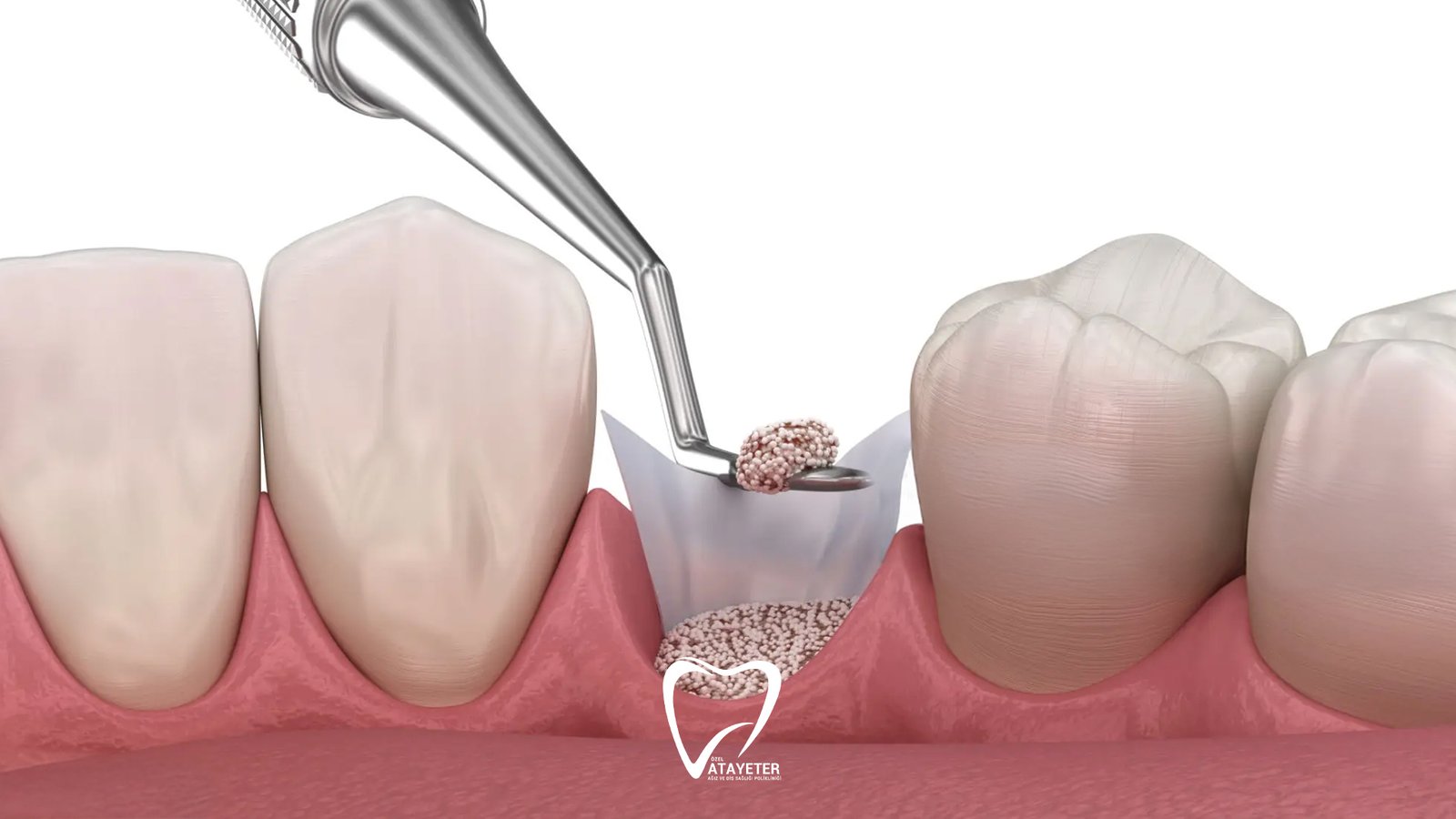
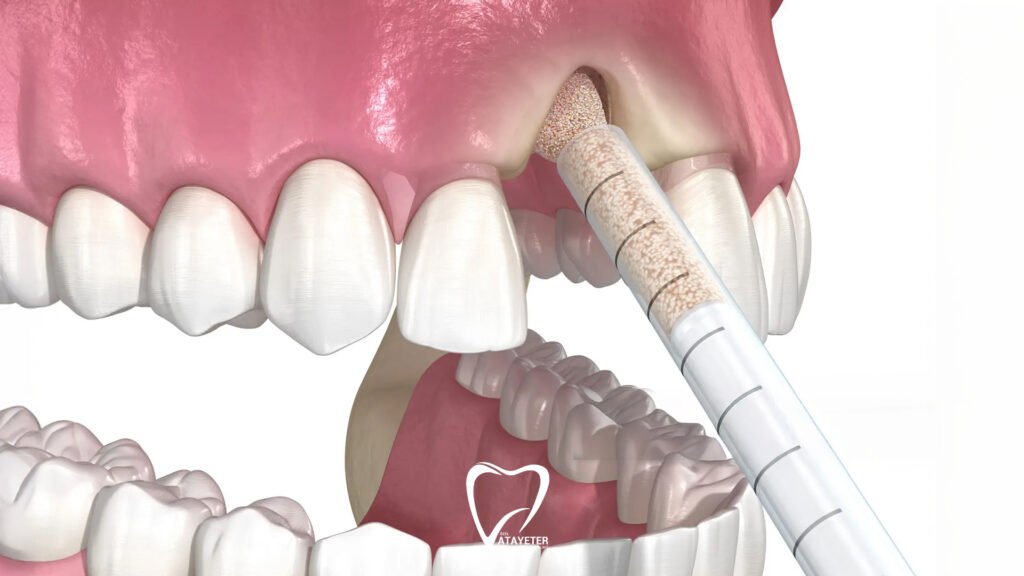
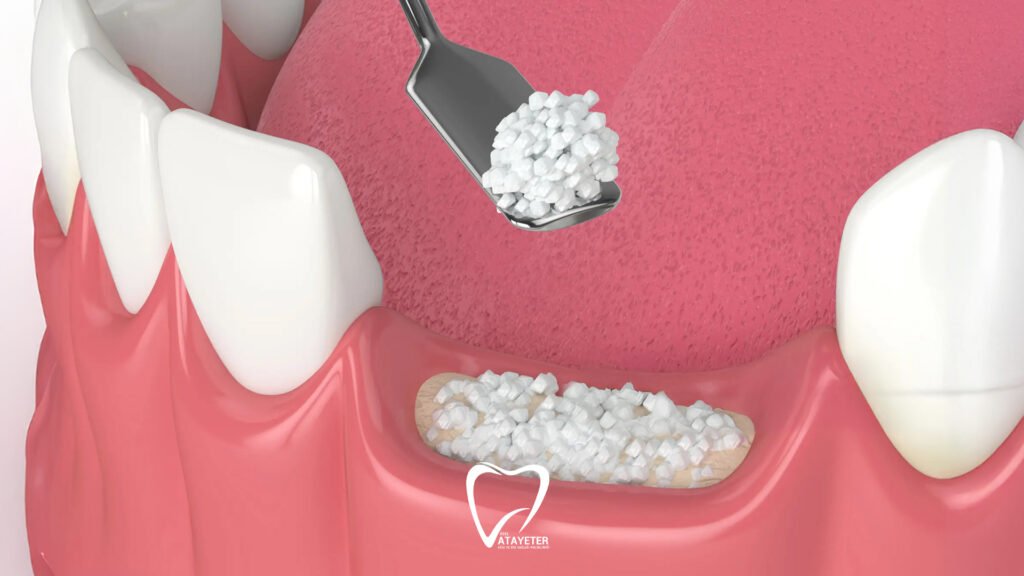
After the preparation is complete, a special bone graft material is placed into the area where bone loss exists. These materials can come from different sources. In some cases, the patient’s own bone may be used, while in other situations human derived, animal derived, or synthetic bone materials produced in laboratories may be preferred. Today, most graft materials used in dentistry are specially designed to be safe and fully compatible with the human body. Once placed, they act as a framework that supports the growth of new bone tissue.
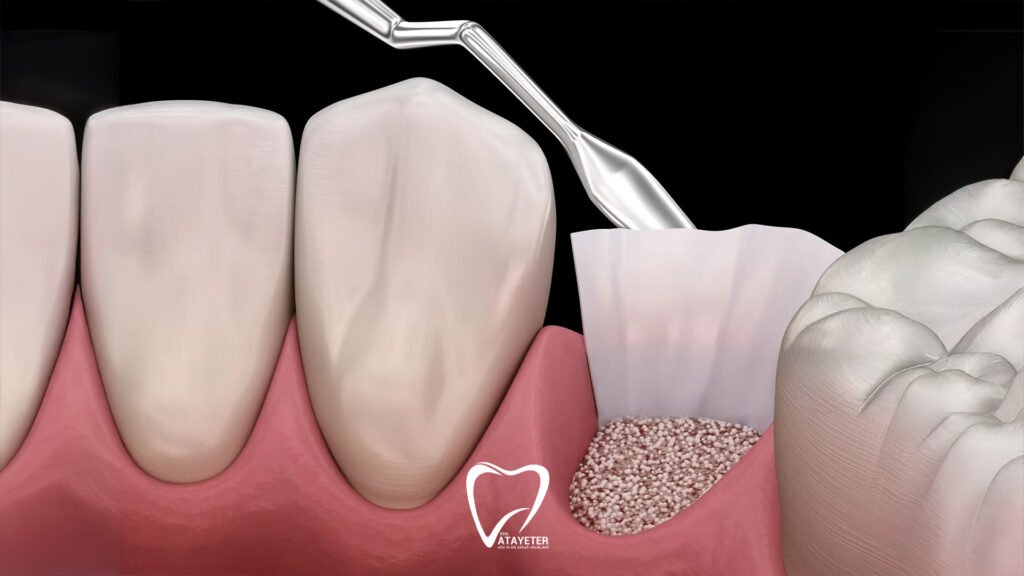
The grafted area is often covered with a thin protective membrane after the material is placed. This membrane helps protect the graft and supports a healthier healing process. It also encourages the new bone tissue to develop in a more organized way. Finally, the area is closed with small stitches, and the healing process begins.
Is a Bone Graft a Painful Procedure?
This is one of the most common questions patients ask. In reality, since the bone graft procedure is performed under local anesthesia, no pain is felt during the treatment.
After the procedure, there may be mild sensitivity for a short time. However, this is usually easily managed with simple pain relievers.
Many patients say that the bone graft procedure is much more comfortable than they initially expected.
Recovery Process After a Bone Graft
The healing process after a bone graft is generally quite comfortable. Of course, every patient’s body heals differently, so recovery time may vary from person to person. In most cases, patients find the recovery period easier than they expected. During the first few days, mild swelling or sensitivity in the treated area is completely normal and usually subsides within a short time. Pain relievers and medications recommended by your dentist help make the healing period much more comfortable.
During recovery, it is important to take a little extra care of your oral health. Avoiding very hot foods and drinks in the first few days, staying away from hard foods, and not putting pressure on the treated area can help the healing process progress smoothly. Maintaining good oral hygiene and following your dentist’s care instructions are also essential. If possible, avoiding smoking during this period can further support proper healing.
Comments are closed