







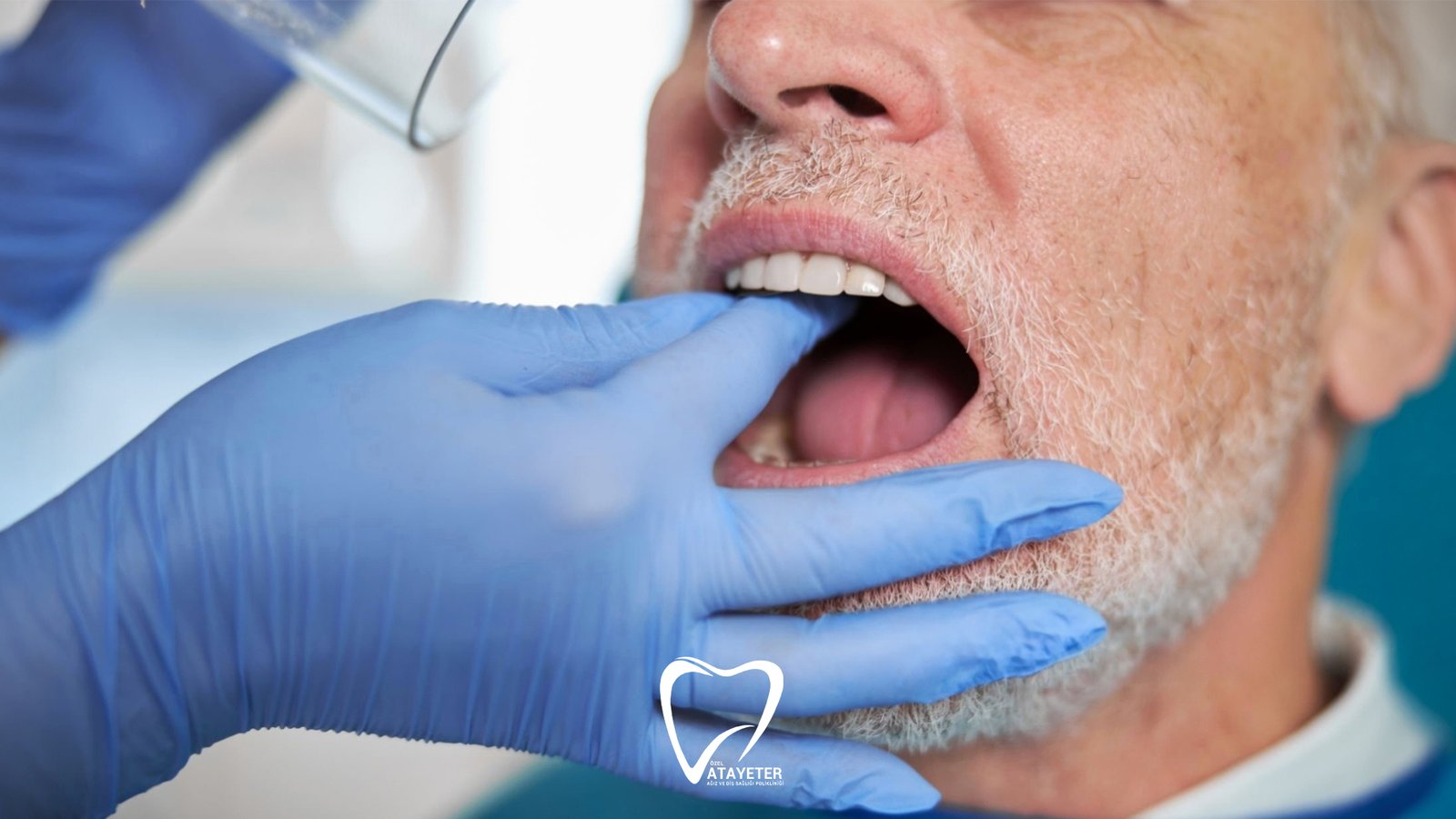
Tooth Mobility in Adults
Imagine looking in the mirror one morning or noticing while eating that one of your teeth feels slightly different than usual. At first, you might think it is only temporary and not pay much attention to it. However, tooth mobility in adulthood can often be a sign of an underlying oral health problem that should not be ignored.
Loose teeth are considered completely normal during childhood because baby teeth naturally make way for permanent teeth. In adults, however, the situation is entirely different. Since permanent teeth do not grow back, protecting their health is extremely important. For this reason, even the slightest movement in a tooth should be taken seriously, and the underlying cause should be investigated.
Many people believe that loose teeth are simply a natural part of getting older. In reality, healthy gums, strong jawbone support, and proper oral care can help teeth remain stable for a lifetime. While some changes may occur with age, noticeable tooth mobility is not considered normal. In most cases, it is associated with gum disease, bone loss, trauma, teeth grinding, or other health-related conditions.
Teeth play a vital role not only in our smile but also in speaking and chewing comfortably. Because of this, a loose tooth can negatively affect daily life if left untreated. Some people choose to wait because there is no pain. However, especially when the problem is related to gum disease, pain is not always the first symptom. Recognizing the early signs can make a significant difference in preventing more serious complications later on.
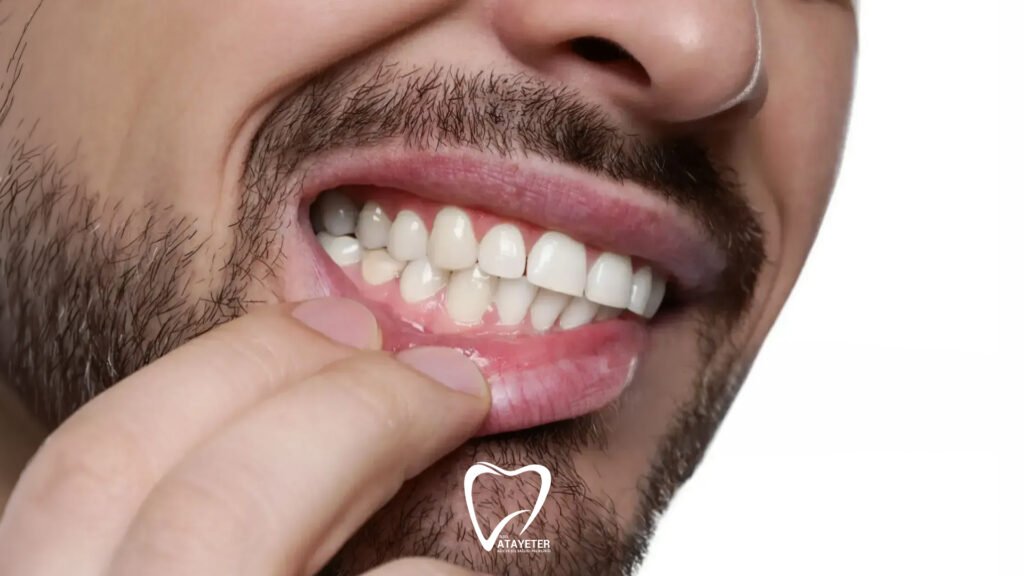
Under normal circumstances, a healthy adult tooth should not feel loose. Many people assume that teeth are completely fixed in place, but they actually have a very slight natural movement thanks to the supporting tissues and specialized fibers surrounding them. This movement is so minimal that it goes completely unnoticed in everyday life.
If you can clearly feel a tooth moving, experience discomfort while chewing, or notice that the tooth shifts when you touch it, it should not be considered normal. Although there are situations where temporary factors may play a role, tooth mobility is often a sign of an underlying issue that deserves attention. Seeking professional dental advice as early as possible is important for identifying the cause and planning the appropriate treatment.
Gum Disease
One of the most common causes of tooth mobility in adults is gum disease. When gum problems go unnoticed or untreated for a long period of time, they can begin to affect not only the gums but also the bone that supports the teeth.
This process often develops quietly. In the early stages, symptoms such as mild gum redness, bleeding during brushing, or sensitivity may appear. If the condition is not addressed, the inflammation can spread to deeper tissues, gradually weakening the structures that support the teeth. As these supporting tissues lose strength, teeth may begin to feel loose or mobile.
Unfortunately, many people consider gum bleeding to be normal. In reality, healthy gums do not bleed on their own. If you regularly notice bleeding while brushing or flossing, it may be one of the early warning signs of gum disease and should not be ignored.
How Does Bone Loss Affect Teeth?
One of the most important structures that keeps our teeth securely in place is the jawbone. As long as this bone remains healthy, teeth can continue to function with stability and strength. However, when bone loss occurs for various reasons, the foundation supporting the teeth begins to weaken.
One of the most challenging aspects of bone loss is that it often progresses without causing noticeable pain. As a result, many people only become aware of the problem when they start feeling movement in their teeth. In reality, the process usually begins much earlier.
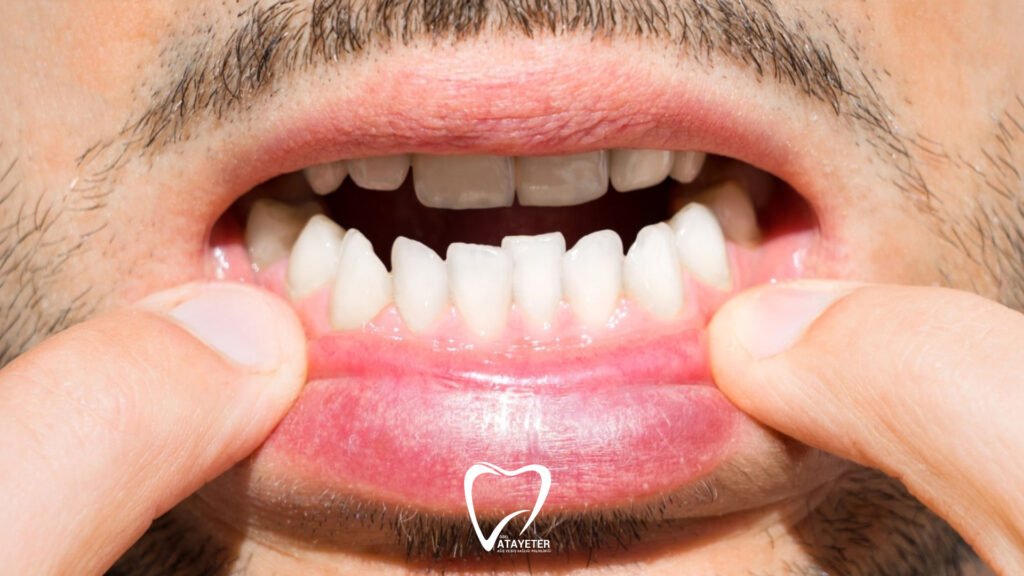
As bone support decreases, teeth gradually lose their stability. At first, there may only be a slight sensation of looseness. Over time, gaps may develop between teeth, teeth may begin to shift position, and chewing may become uncomfortable. If left untreated, bone loss can eventually lead to tooth loss.
For this reason, detecting bone loss in its early stages is extremely important. Regular dental check ups allow potential problems to be identified before obvious symptoms develop, helping preserve natural teeth for many years to come.
Teeth Clenching and Grinding
Many people are completely unaware that they clench or grind their teeth while sleeping. However, this habit can place significant pressure on both the teeth and the tissues that support them. Everyday stress, a busy lifestyle, and certain sleep related issues can all contribute to teeth grinding and clenching.
The constant force applied to the teeth can gradually wear down the supporting structures. As a result, tooth sensitivity, discomfort while chewing, and in some cases even tooth mobility may develop. If you frequently wake up with jaw fatigue, experience recurring headaches, or notice unusual wear on your teeth, teeth grinding could be the underlying cause.
Trauma and Accidents
Sometimes, a loose tooth is not caused by a disease developing in the mouth but by a sudden impact. Sports related collisions, falls, traffic accidents, or a strong blow to the mouth area can cause a tooth to shift from its normal position.
In some cases, tooth mobility becomes noticeable immediately after the injury, while in others, symptoms may not appear until days later. For this reason, any trauma involving the mouth or jaw should never be taken lightly. Even if there is no pain or obvious discomfort, it is important to have the area examined by a dentist. With early intervention, many injured teeth can often be preserved and maintained in a healthy condition.
Advanced Tooth Decay
Tooth decay is not limited to small cavities on the visible surface of a tooth. When left untreated, decay can gradually spread to the inner tissues of the tooth, the root area, and even the structures that support it.
Especially in cases of long standing decay, the risk of infection increases significantly. In some situations, the infection may spread to the surrounding bone, affecting the tooth’s stability within the mouth. As a result, the tooth may begin to feel loose. If you notice mobility in a tooth that has been painful, broken, or severely decayed for a long time, it is important to seek professional dental care without delay.
Hormonal and Systemic Factors
The health of our teeth and gums is closely connected to our overall well being. Various changes within the body can directly affect oral health.
For example, uncontrolled diabetes, certain immune system disorders, hormonal changes, or the use of specific medications can make gum tissues more vulnerable and sensitive. Over time, this may weaken the structures that support the teeth and lead to increased tooth mobility.
For this reason, maintaining regular dental check ups is important, but so is keeping a close eye on your overall health. The connection between oral health and general health is often much stronger than many people realize.
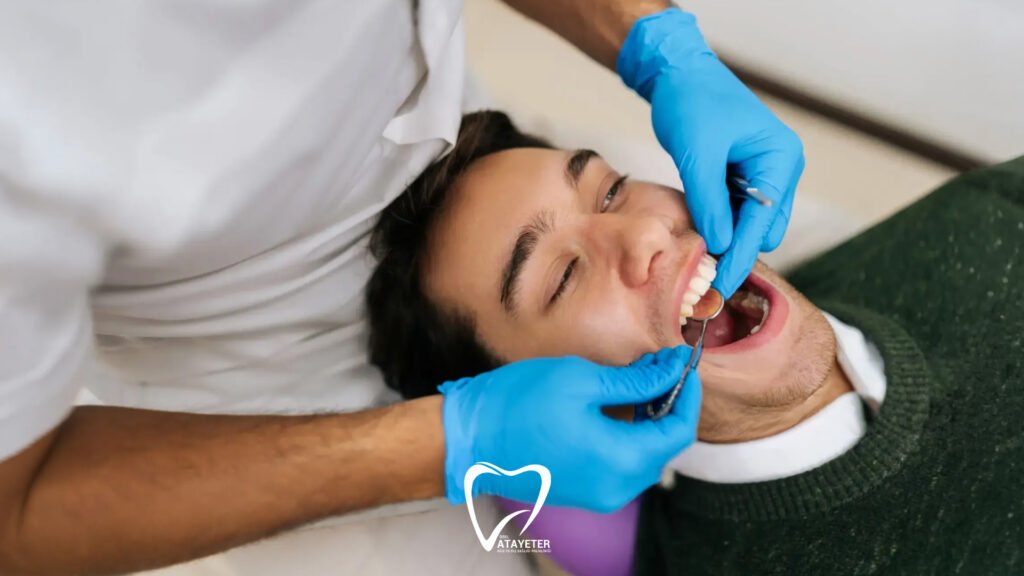
Can a Loose Tooth Heal on Its Own?
One of the first questions many people ask when they notice a loose tooth is whether it will improve on its own over time. Unfortunately, there is no simple answer to this question because everything depends on the underlying cause of the mobility.
In some situations, particularly when the movement is caused by a minor injury or trauma, the tooth may stabilize with proper monitoring and treatment. However, tooth mobility resulting from gum disease, bone loss, or advanced infections usually does not resolve on its own. In fact, as long as the underlying problem remains untreated, the condition may continue to worsen over time.
For this reason, if you notice any movement in one of your teeth, it is important not to postpone seeking professional advice or simply wait for the problem to disappear. An early dental examination helps determine the current condition of the tooth and can prevent more serious complications in the future.
If you are experiencing tooth mobility, gum problems, or have concerns about your oral health, we would be happy to assist you at Zenit Dental. With early diagnosis and the right treatment plan, it is often possible to protect your natural teeth for many years. Feel free to contact us for a detailed examination and professional consultation. Our team is here to answer all your questions about your oral and dental health.