







Causes of Gum Bleeding
Gum bleeding is something most people experience at some point in their lives, but it is usually not taken very seriously. A little bit of blood in the sink while brushing or flossing is often brushed off with thoughts like “I must have brushed too hard” or “it will pass in a few days.” However, this small looking sign is actually one of the clearest signals our oral health can give us.
Because gum bleeding is not always caused by something simple. Sometimes it comes from incorrect brushing habits, sometimes from tartar buildup, and sometimes from early stage gum inflammation. So it’s not just a sensitivity issue it can actually be the first sign of more serious problems developing over time.
Interestingly, many people normalize this situation and only realize something is wrong when the bleeding becomes more frequent or starts being accompanied by pain. Yet catching early signs in oral health is very important to prevent bigger problems later on.
What is Gum Bleeding?
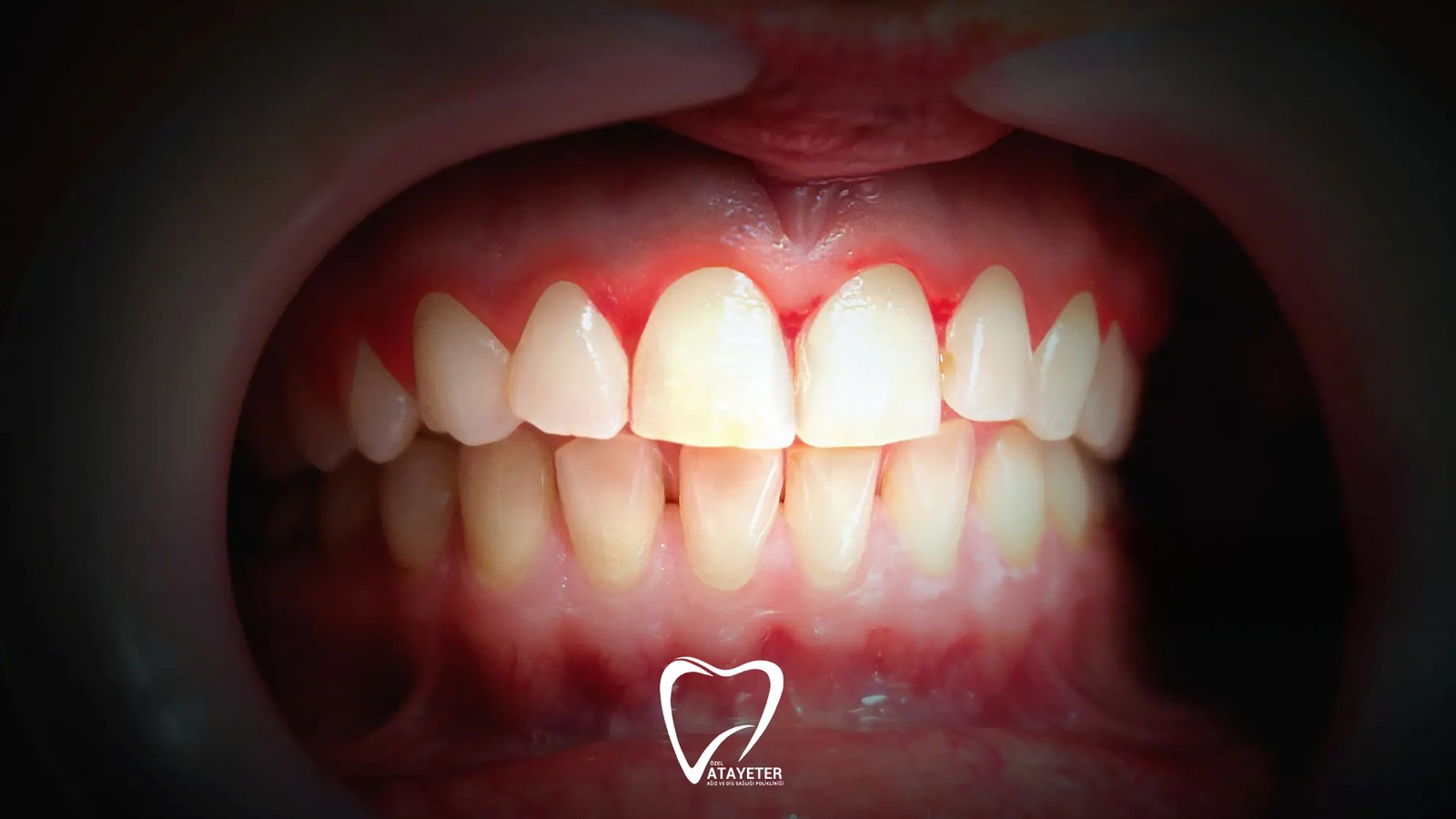
In its simplest form, gum bleeding is the condition where the gums bleed while brushing, flossing, or biting something hard. Normally, healthy gums are light pink in color, firm in structure, and do not bleed easily during daily cleaning. So if you see blood while brushing or flossing, it usually means something is not quite right with your gums.
In many cases, the cause may be a simple sensitivity or temporary irritation. However, it can also be an early sign of inflammation in the gums. Especially gingivitis, which is the early stage of gum disease, is one of the most common reasons behind this type of bleeding.
What starts as something mild can gradually progress into gum recession, increased sensitivity, and more serious oral health problems. That’s why it is better not to ignore gum bleeding and instead see it as a small warning from the body.
Most Common Causes of Gum Bleeding
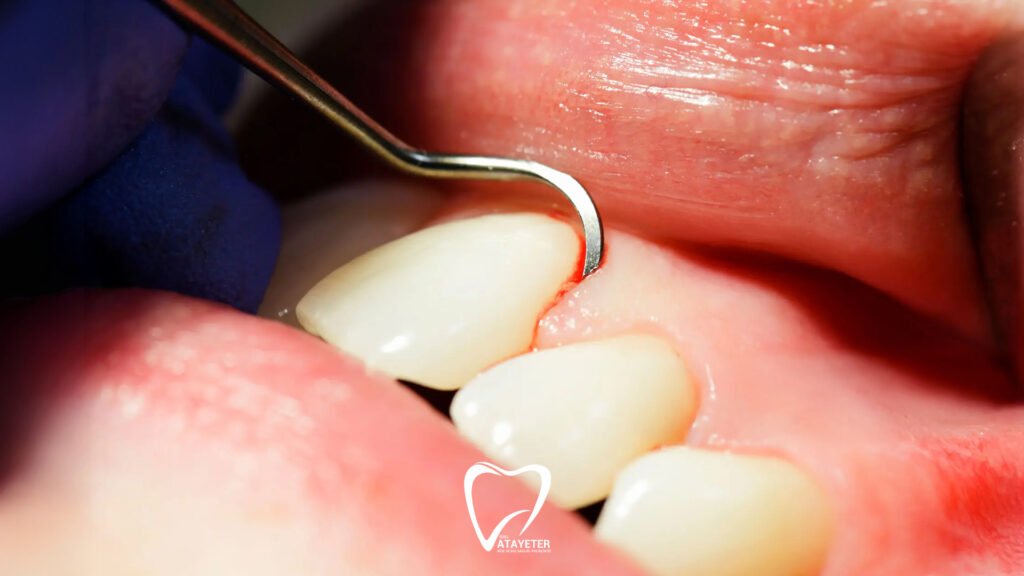
Gum bleeding does not have a single cause; it usually happens when several factors come together. One of the most common reasons is poor oral hygiene. When teeth are not cleaned properly and regularly, bacterial plaque starts to build up in the mouth. Over time, this buildup irritates the gums and even the slightest touch can lead to bleeding. In a way, this is the body quietly saying: “There is buildup here, it needs to be cleaned.”
Another major cause is gum inflammation, known as gingivitis. This condition occurs when the gums become sensitive due to bacteria. Redness, swelling, and especially bleeding during brushing are very common symptoms. The interesting part is that gingivitis is completely reversible if caught early. With proper care and regular cleaning, gums can return to their healthy state. However, if ignored, it can progress into a more serious condition.
Tartar buildup is also one of the most frequent causes of this problem. Over time, plaque hardens on the surface of the teeth and turns into tartar. This structure constantly irritates the gums, making bleeding almost unavoidable. If tartar is not cleaned regularly, the bleeding can even become a chronic issue.
Sometimes the problem is not just poor cleaning habits but also the way brushing is done. Many people believe that brushing harder means cleaner teeth, but this is actually one of the most common mistakes. Hard brushing does not protect the gums it damages them. Especially in people with sensitive gums, it can easily lead to bleeding. The correct approach is to use a soft bristled toothbrush and clean gently but regularly.
In addition, vitamin deficiencies can also directly affect gum health. A lack of vitamin C, in particular, can make gums more sensitive and more prone to bleeding. This shows that nutrition affects not only our general health but also the balance inside our mouth.
Hormonal changes in certain periods can also impact gum sensitivity. During adolescence, pregnancy, or similar hormonal phases, gums may become more sensitive than usual, and bleeding can occur more easily. This is usually temporary, but it still requires extra attention to oral hygiene.
If this condition is ignored for a long time, it can progress into a more serious stage called periodontitis. At this point, not only the gums but also the bone structure supporting the teeth can be affected. Bleeding becomes more frequent, and even tooth mobility may occur.
Is Gum Bleeding Normal?
Although gum bleeding is often thought of as something “normal,” in reality it is not. Simply put, healthy gums should not bleed regularly.
Many people get used to it over time and say things like “it always happens to me anyway.” But the truth is, healthy gums do not easily bleed during brushing or daily cleaning. If bleeding happens frequently, it usually means the gums are irritated or inflamed in some way.
That’s why gum bleeding should not be ignored as a normal situation. Instead, it should be seen as a small but important warning from the body. When noticed early, it can often be resolved with simple care, but if ignored, it may lead to more serious problems.
Simple Steps You Can Take at Home
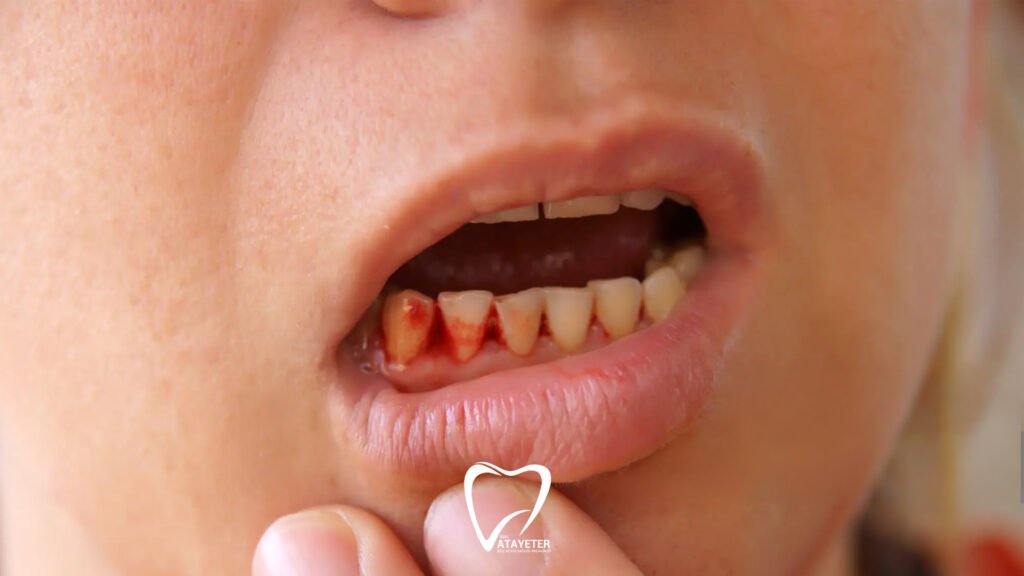
Sometimes, even small changes in daily habits can help prevent this condition. A big part of it actually comes down to building the right routine.
For example, brushing your teeth at least twice a day may sound simple, but it is truly important for gum health. However, it is not just about brushing it is also about using the right toothbrush. A soft bristled toothbrush helps clean the teeth without damaging the gums.
Flossing is another habit that many people skip, even though it is very effective. Food particles left between teeth can irritate the gums over time and trigger bleeding. Regular flossing significantly reduces this risk.
The way you brush also matters a lot. Many people think brushing harder cleans better, but this is not true. In fact, hard brushing can damage the gums and increase bleeding instead of preventing it.
On the nutrition side, small changes can also help. Consuming too much sugar can disrupt the balance of bacteria in the mouth. Reducing sugar intake and drinking plenty of water helps keep the mouth cleaner and healthier overall.
When Should You See a Dentist?
If gum bleeding continues for several weeks without improvement, it should not be ignored. Likewise, if there is noticeable swelling, redness, or tenderness in the gums, it is a sign that something is not right.
In addition, if persistent bad breath develops or unusual tooth sensitivity appears, it is time for a professional evaluation.