







How to Relieve Tooth Decay Pain
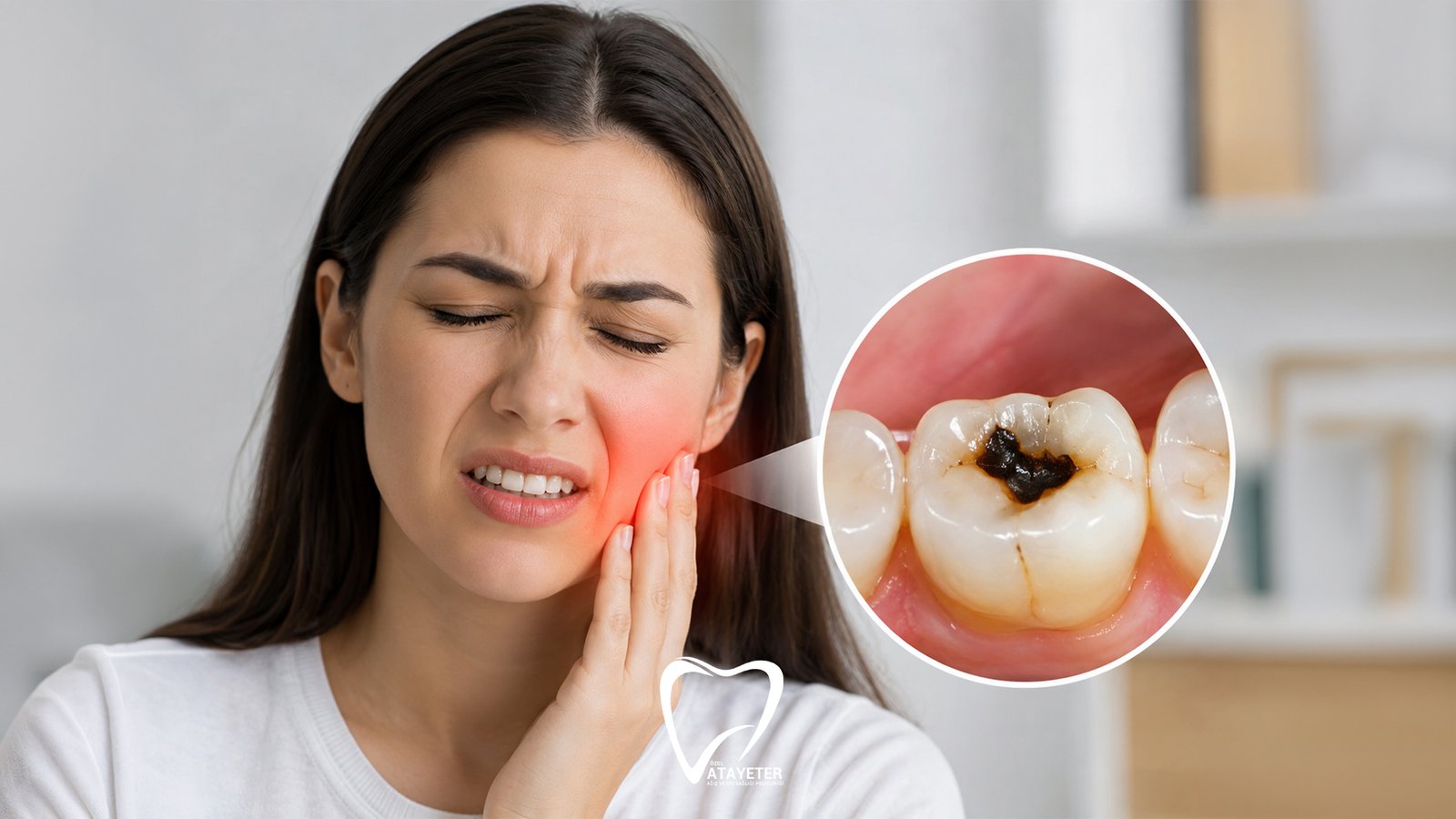
Tooth decay pain is one of the common oral and dental health problems that can negatively affect daily life and become more severe over time if left untreated. In its early stages, it may only be felt as a brief sensitivity triggered by consuming sweet, hot, or cold foods and drinks. However, as the decay progresses into the deeper layers of the tooth, the pain may last longer, become throbbing, and feel more noticeable, especially at night. Some people may also experience pain while chewing, sensitivity when pressure is applied to the tooth, or discomfort in the surrounding tissues.
For this reason, it is not enough to answer the question “How can tooth decay pain be relieved?” only by suggesting ways to reduce the pain temporarily. The main priority is to identify the cause of the pain and plan an appropriate treatment based on the damage caused by the decay. Depending on the extent of the decay, a filling, root canal treatment, or another dental procedure may be required.
Some methods that can be used at home may help relieve the pain during the period before a dental examination. However, these methods do not eliminate the decay or repair damaged tooth tissue. A cavity, a progressing infection, or deep decay that has reached the nerve tissue requires professional treatment. A temporary reduction in pain does not mean that the problem has completely resolved. In this article, we will discuss the causes of tooth decay pain, methods that may provide temporary relief, and the symptoms that indicate when a dentist should be consulted.
Why Does Tooth Decay Cause Pain?
The outermost part of the tooth is covered by a hard and protective layer called enamel. Certain bacteria in the mouth produce acid when they come into contact with foods containing sugar and starch. Frequent exposure of the teeth to these acids may cause the enamel to lose minerals and weaken over time.
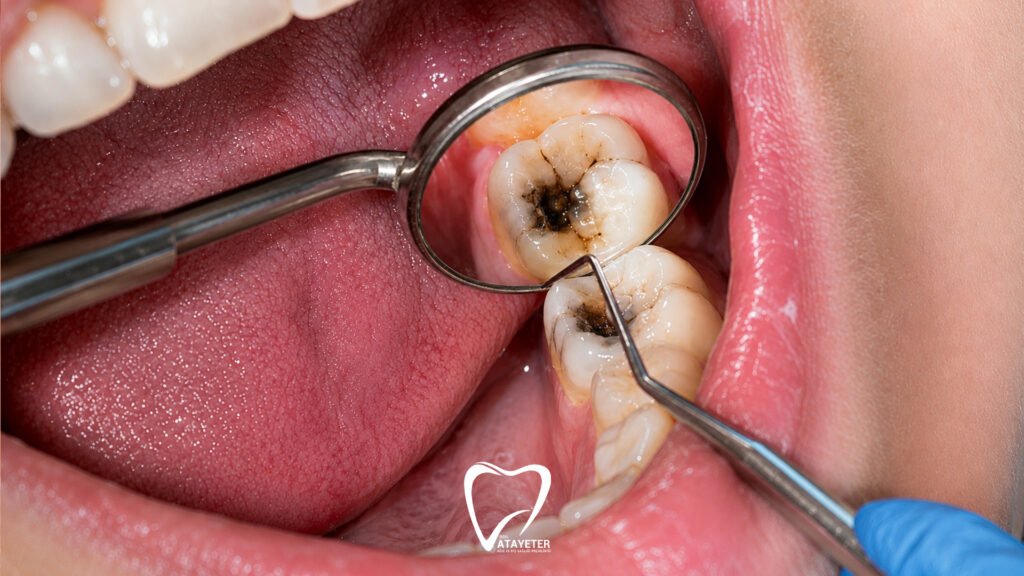
If mineral loss continues, a permanent hole, known as a cavity, may form on the surface of the tooth. Tooth decay in its early stages may not always cause symptoms. As the decay progresses and approaches the more sensitive inner layers of the tooth, pain and sensitivity may occur when consuming hot, cold, or sweet foods and drinks.
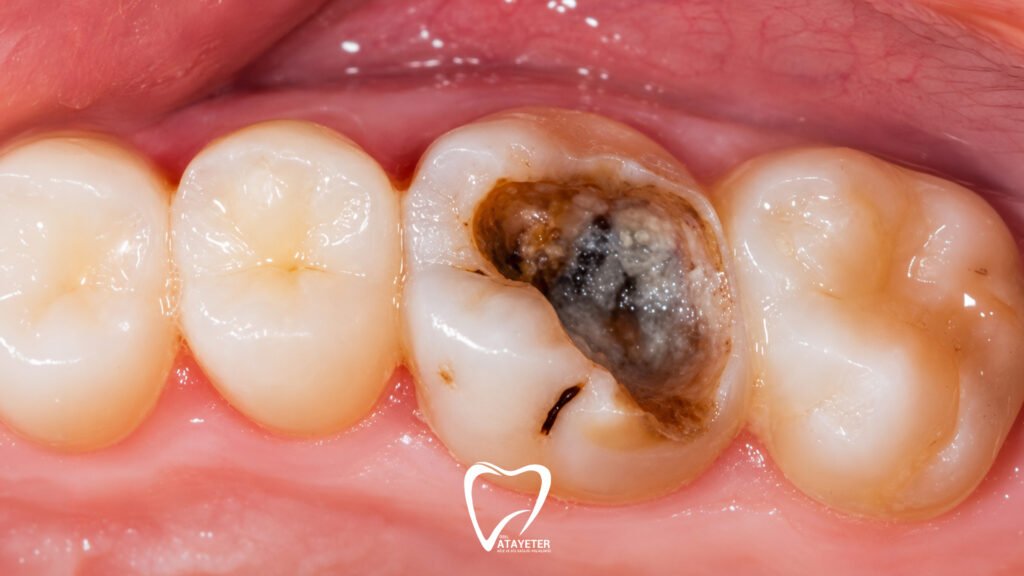
When the decay passes through the layer called dentin and reaches the pulp tissue at the centre of the tooth, the pain may become more intense. The pulp is the area that contains the blood vessels and nerves of the tooth. If this tissue is affected, toothaches that begin spontaneously, last for a long time, throb, or worsen at night may occur.
If the infection spreads to the tooth root and surrounding tissues, a dental abscess may develop. A dental abscess may cause severe pain, swelling of the face or gums, fever, a bad taste in the mouth, and difficulty chewing. An abscess does not heal completely on its own and must be evaluated by a dentist.
What Are the Symptoms of Tooth Decay Pain?
Not every cavity causes pain in the same way. Symptoms may vary depending on the location of the decay, how deep it is, and whether the tooth nerve has been affected.
Symptoms that may occur in decayed teeth include:
- Sensitivity triggered by sweet, hot, or cold foods
- Pain while biting or chewing
- Spontaneous throbbing pain
- Toothache that worsens at night or wakes you from sleep
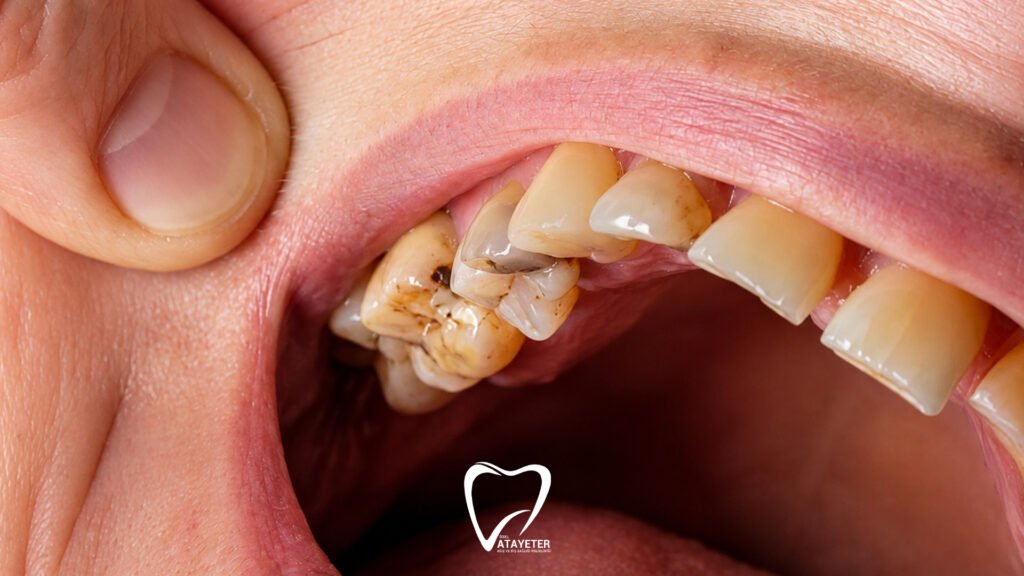
- White, brown, or black discolouration on the tooth
- A visible cavity or fracture in the tooth
- A bad taste or unpleasant odour in the mouth
- Redness and sensitivity of the gums
- Swelling of the gums, cheek, or jaw
- Fever and general fatigue
If pain caused by hot or cold substances disappears immediately after the trigger is removed, the decay may be more limited. However, pain that continues for a long time, begins spontaneously, or worsens at night may suggest that the nerve tissue of the tooth has been affected.
Nevertheless, a definite diagnosis cannot be made based only on the type of pain. A clinical examination and, when necessary, a dental X ray may be required to determine the depth of the decay.
How Can Tooth Decay Pain Be Relieved at Home?
The purpose of home remedies is not to treat the decay, but to temporarily control the pain until a dentist can be consulted. Even if the symptoms decrease, the dental appointment should not be postponed.
Rinse your mouth with lukewarm water
Gently rinsing the mouth with lukewarm water may help remove food particles that have accumulated around the tooth.
Since very hot or very cold water may increase sensitivity, lukewarm water should be preferred. Excessive pressure should not be applied to the painful area while rinsing the mouth.
Carefully clean between your teeth
The pain may sometimes be caused by a piece of food trapped in the decayed area or between two teeth. Carefully cleaning the area with dental floss or a suitable interdental cleaning tool may help reduce the feeling of pressure.
However, if there is severe gum swelling, bleeding, or intense pain that worsens when touched, the area should not be handled aggressively. Attempting to clean the cavity with a toothpick, needle, or sharp object may damage the tooth and gums.
Rinse with warm salt water
A mixture prepared by adding approximately half a teaspoon of salt to a glass of warm water can be swished around the mouth and then spat out. This practice may help clean the mouth and temporarily reduce irritation.
The salt water mixture should not be swallowed. This method should not be used for young children who cannot rinse safely. A salt water rinse may temporarily relieve the pain, but it does not treat the decay.
Apply a cold compress to the outside of the cheek
If there is mild facial swelling or throbbing pain, a cold compress may be applied to the outside of the cheek for short periods. Ice should not be placed directly on the tooth, gums, or skin.
A cold compress may be particularly helpful in temporarily reducing pain caused by an impact or trauma to the tooth. However, cold application does not eliminate a possible infection.
Do not chew on the painful side
Hard, sticky, and crusty foods may place pressure on the decayed tooth and increase the pain. They may also cause tooth tissue weakened by decay to fracture.
Until your dental appointment, soft foods such as yoghurt, soup, purée, and eggs may be preferred. As much as possible, food should be chewed on the side that is not painful.
Seek advice about suitable painkillers
Some over the counter painkillers may temporarily reduce toothache if they are suitable for the person’s health condition. However, the recommended dose should not be exceeded, and different medicines should not be combined without professional guidance.
People who are pregnant or breastfeeding, have a stomach condition, kidney or liver disease, use blood thinning medication, have a medication allergy, or regularly take other medicines should consult a doctor or pharmacist before taking a painkiller. Medicines and dosages intended for adults should not be given to children.
Aspirin or any other painkiller should not be placed directly on the decayed tooth or gum. This practice may cause irritation and chemical burns in the tissues of the mouth.
What Should Be Avoided When Experiencing Tooth Decay Pain?
- The desire to stop the pain quickly may lead to incorrect practices that can damage the tooth and gums.
- Cologne, alcohol, bleach, concentrated hydrogen peroxide, crushed medicines, or irritating herbal products should not be applied directly to the tooth or gums. These substances may cause irritation, chemical burns, or tissue damage in the mouth.
- Attempting to clean the cavity with a needle, toothpick, metal object, or another tool is also not recommended. These practices may injure the gums, fracture the weakened tooth, or increase the risk of infection.
- Antibiotics should not be used without a doctor’s recommendation. Antibiotics do not remove decayed tooth tissue or repair the cavity that has formed in the tooth.
- Using leftover antibiotics at home or antibiotics previously prescribed for a different condition may delay treatment and result in unnecessary medication use.
Which Treatments Are Used for Tooth Decay Pain?
To control tooth decay pain permanently, the tooth tissue causing the pain must be evaluated. The treatment provided will vary depending on the extent of the decay and whether the living tissue inside the tooth has been affected.
Dental filling
If the decay has created a cavity but has not reached the nerve tissue of the tooth, the decayed tissue is removed. The resulting cavity is then restored using a suitable filling material.
A dental filling helps preserve the integrity and chewing function of the tooth. Delaying treatment may allow the decay to progress further and lead to the need for a more extensive procedure.
Root canal treatment
Root canal treatment may be required when the decay reaches the pulp tissue or an infection develops inside the tooth.
During root canal treatment, infected or damaged pulp tissue is removed. The root canals are cleaned and shaped before being filled and sealed to help prevent the tooth from becoming infected again. If there has been significant loss of tooth structure, a dental crown may also be considered after treatment to help protect the tooth.
Abscess drainage
If an abscess has formed around the tooth or gums, the accumulated pus may need to be drained. An abscess does not heal completely on its own and should be evaluated by a dentist without delay.
A sudden reduction in pain does not necessarily mean that the infection has cleared. The pain may temporarily decrease when an abscess drains or when the nerve of the tooth loses its vitality. Despite this, the infection may continue in the tooth root and surrounding tissues.
Treatment for a dental abscess may include draining the abscess, performing root canal treatment, or extracting the tooth. In some cases, antibiotics may also be prescribed alongside these procedures.
How Long Does Tooth Decay Pain Last?
The duration of tooth decay pain varies depending on the depth of the decay, the condition of the tooth nerve, and whether an infection is present.
Sensitivity in the early stages may occur only when hot, cold, or sweet foods and drinks are consumed. With deep decay, the pain may continue for several minutes or hours, recur at intervals, or become constant.
A reduction in discomfort after taking a painkiller does not mean that the decay has healed. Unless the source of the pain is treated, the symptoms may return.
A dentist should be consulted if the toothache lasts longer than two days, does not improve despite painkillers, causes pain when biting, is accompanied by a bad taste in the mouth or fever, or results in swelling of the cheek or jaw.
Frequently Asked Questions About Tooth Decay Pain
Can tooth decay pain go away on its own?
Tooth decay pain may occasionally decrease or disappear completely. However, a permanent cavity that has formed in the tooth cannot repair itself.
A sudden end to severe pain is not always a positive sign. In some cases, this may be associated with the nerve tissue of the tooth losing its vitality. Even if the pain goes away, a dental examination should not be neglected.
Does salt water relieve tooth decay pain?
Rinsing with warm salt water may help clean the mouth and temporarily reduce discomfort. However, it does not eliminate the decay and cannot replace a dental filling or root canal treatment.
Is it safe to place aspirin on a decayed tooth?
No. Aspirin or any other painkiller should not be placed directly on the tooth or gum. This practice may cause chemical irritation or burns in the tissues of the mouth.
Medicines should only be used in accordance with their instructions and the recommendations of a healthcare professional.