







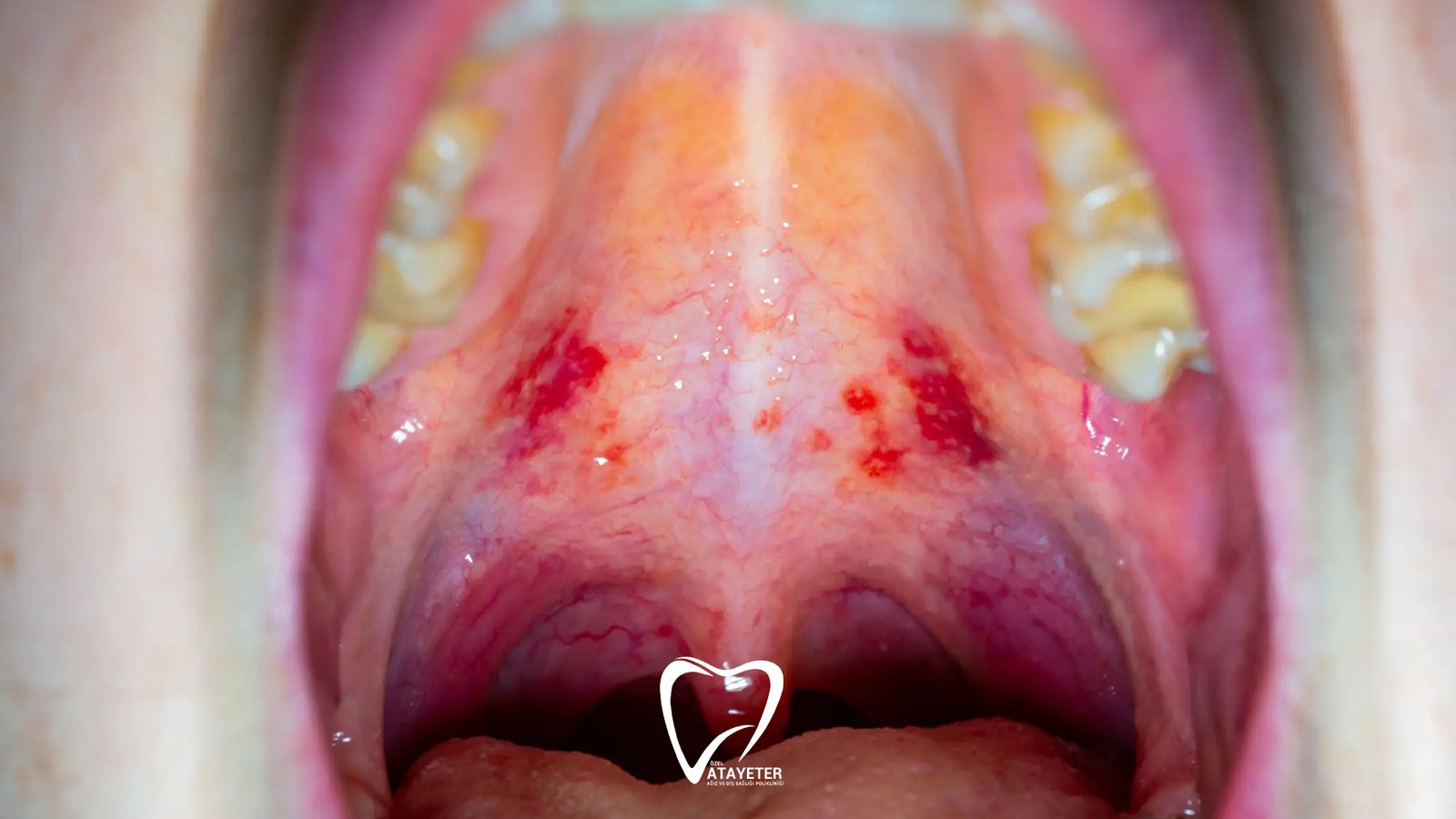
What Is a Palate Sore? How Can You Get Rid of It?
Even the tiniest sore inside your mouth can unexpectedly disrupt your entire day. When a sore develops on the roof of your mouth, something as simple as eating, drinking something hot or cold, or even having a conversation can become surprisingly uncomfortable. A part of your mouth that normally goes unnoticed suddenly reminds you it’s there with every bite, making everyday activities much more difficult than you’d expect.
Many people tend to ignore a sore on the palate, thinking, “It’ll go away in a few days.” However, not every sore appears for the same reason. Sometimes it’s simply caused by irritation from a hard or sharp piece of food, while in other cases stress, vitamin deficiencies, poor oral hygiene, or conditions affecting the immune system may play a role. In rare situations, a sore that doesn’t heal over time can be an early sign of an underlying health problem. That’s why it’s important to pay attention to how the sore developed and how long it has been there.
What causes a sore on the roof of the mouth? Which symptoms are considered normal, and which ones should never be ignored? Are home remedies really effective, or is professional treatment the better option?
What Causes a Sore on the Roof of the Mouth?
One of the first questions people ask when they notice a sore on the roof of their mouth is, “Why did this happen?” The truth is, there isn’t just one answer. Small everyday habits, the foods we eat, our stress levels, and even our overall health can all contribute to the development of a sore. Sometimes it’s nothing more than a minor irritation that heals within a few days, while other times there may be an underlying cause that needs attention. Here are some of the most common reasons why sores develop on the palate.
Eating or Drinking Foods That Are Too Hot
We’ve all been impatient at some point. Taking a big sip of freshly brewed tea or biting into a pizza straight out of the oven can easily burn the roof of your mouth.
Although these burns may not seem like a big deal at first, the soreness and tenderness that develop a few hours later can make eating and drinking quite uncomfortable. Fortunately, these types of sores usually heal on their own within a few days.
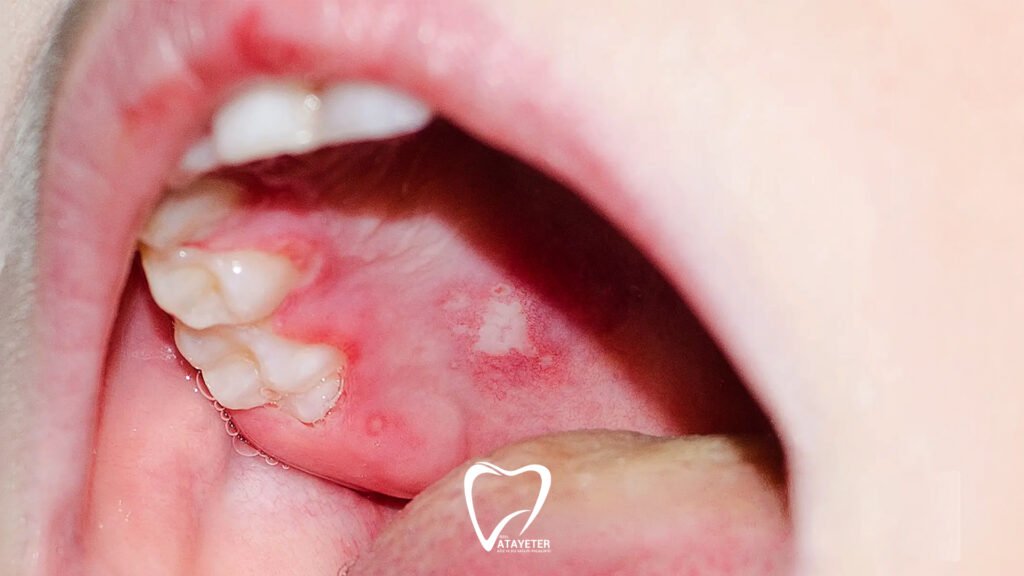
Hard or Sharp Foods
Foods like potato chips, crusty bread, nuts, or hard candies can accidentally scratch the roof of your mouth. If the same area continues to be irritated, a tiny scratch can quickly turn into a painful sore.
These kinds of injuries are actually quite common, and many people don’t even realize what caused the sore until they think back to what they recently ate.
Canker Sores (Aphthous Ulcers)
One of the most common reasons for sores inside the mouth is a canker sore. Although they are usually small, they can be surprisingly painful. When they develop on the roof of the mouth, everyday activities like eating and talking can become even more uncomfortable.
The exact cause of canker sores isn’t fully understood. However, stress, changes in the immune system, vitamin deficiencies, hormonal fluctuations, and even minor injuries inside the mouth are all believed to trigger their development.
Dentures and Orthodontic Appliances
New removable dentures, braces, or clear aligners can sometimes put pressure on the roof of the mouth while your oral tissues are getting used to them.
When the same area is exposed to constant pressure, it may first feel slightly tender and, over time, develop into a sore. If the discomfort continues for an extended period, it’s important to have your appliance checked by your dentist to make sure it fits properly.
Vitamin and Mineral Deficiencies
Sometimes, the cause of a sore on the roof of your mouth isn’t actually inside your mouth at all. When your body doesn’t get enough essential vitamins and minerals, your oral tissues can become more vulnerable as well.
People who are deficient in vitamin B12, iron, folic acid, or zinc may experience recurring mouth sores. If sores on the roof of your mouth keep coming back, it’s worth looking beyond the sore itself and investigating whether an underlying nutritional deficiency may be contributing to the problem.
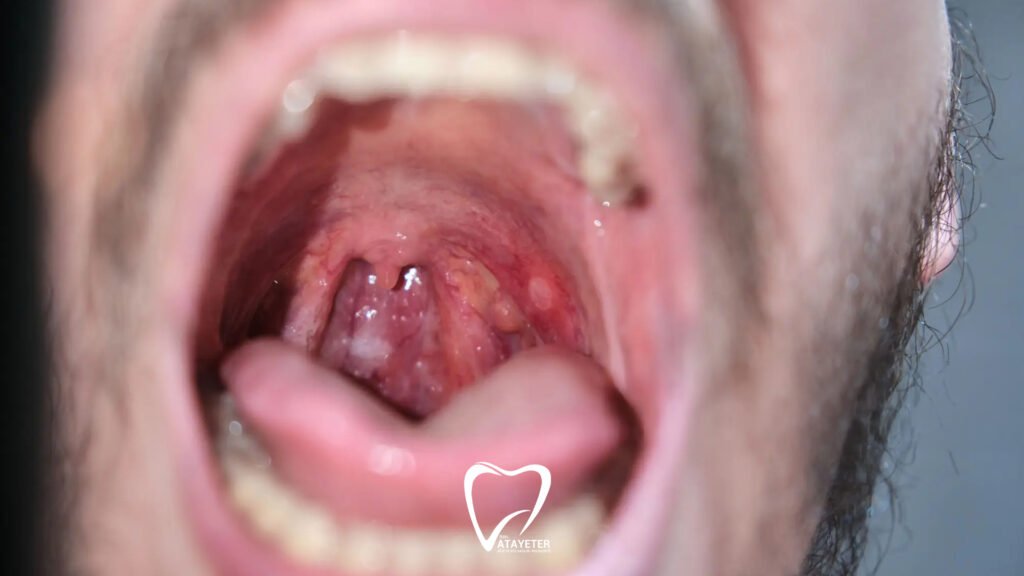
Stress and Lack of Sleep
One of the most surprising causes of mouth sores is stress. Many people notice that sores appear during stressful periods, such as exam season, busy weeks at work, or after several nights of poor sleep.
This happens because stress can affect the immune system, making the tissues inside the mouth more sensitive than usual. In other words, a sore on the roof of the mouth isn’t always caused by a physical injury—it can sometimes reflect the emotional and physical pressure your body is under.
Viral or Fungal Infections
Certain viruses and fungal infections can also cause sores or white patches to develop on the roof of the mouth. These conditions are more commonly seen in children, older adults, and people with weakened immune systems.
If the sore doesn’t heal, continues to spread, or is accompanied by symptoms such as fever, fatigue, or difficulty swallowing, it’s important to seek an evaluation from a dentist or another qualified healthcare professional.
What Are the Symptoms of a Sore on the Roof of the Mouth?
A sore on the roof of the mouth doesn’t feel the same for everyone. Some people experience only mild discomfort, while for others, even eating or drinking water can become painful. The size of the sore, its location, and the reason it developed all play a role in how severe the symptoms are.
Some of the most common symptoms include:
- A burning or stinging sensation while eating, especially when consuming hot, spicy, or acidic foods
- Pain when speaking or swallowing
- A small white, yellowish, or gray sore on the roof of the mouth
- Redness and tenderness around the affected area
- Increased discomfort when the tongue repeatedly touches the sore
- Sharp pain or sensitivity when chewing hard foods
- In some cases, an increase in bad breath
Even though a sore on the roof of the mouth may seem small at first, it can have a much bigger impact on your daily life than you might expect. Not being able to comfortably enjoy your favorite meal, sip a hot cup of tea, or talk without constantly feeling pain can quickly become frustrating.
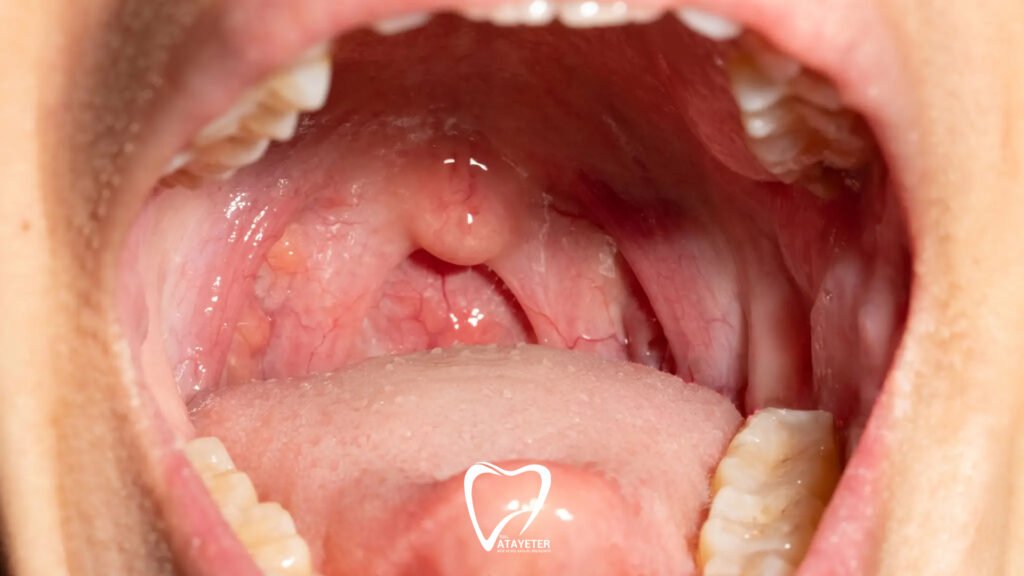
How Long Does a Sore on the Roof of the Mouth Take to Heal?
The healing time depends largely on what caused the sore in the first place. Because there are many possible causes, there’s no single recovery timeline that applies to everyone.
If the sore developed after burning your mouth with hot food or from a minor injury caused by hard or sharp foods, it will usually heal on its own within 5 to 10 days. During this time, maintaining good oral hygiene and avoiding foods that may irritate the area can help speed up recovery.
Canker sores on the roof of the mouth often take a little longer to heal. Most of them disappear without leaving a scar within 7 to 14 days. It’s normal to experience discomfort during this period, but the pain should gradually become less noticeable as the sore heals.
However, not every sore should be considered harmless. If your sore hasn’t healed after two weeks, continues to get larger, keeps coming back in the same spot, bleeds, or feels unusually firm when touched, you shouldn’t ignore it. In these situations, it’s important to schedule an appointment with your dentist so the underlying cause can be identified and the appropriate treatment can be planned.
How Are Sores on the Roof of the Mouth Treated?
The most important step in treating a sore on the roof of the mouth is identifying what’s causing it. Since not every sore develops for the same reason, the right treatment can vary from person to person. A product that worked well for someone else may not necessarily be the best solution for you.
After examining your mouth, your dentist will recommend the treatment that’s most appropriate for your specific situation. Depending on the cause, they may suggest protective oral gels, antiseptic mouth rinses, or pain relieving products to help the sore heal more comfortably and reduce your symptoms.
If a vitamin or mineral deficiency is suspected, your dentist may recommend further evaluation to identify any underlying nutritional issues. Likewise, if the sore is being caused by a denture, clear aligner, or orthodontic appliance, adjustments may be needed to ensure it fits your mouth more comfortably.
Sometimes, the cause of a sore on the roof of the mouth isn’t limited to the mouth itself. If your dentist suspects an underlying medical condition, they may refer you to the appropriate healthcare specialist for further evaluation.