What is Tooth Decay?
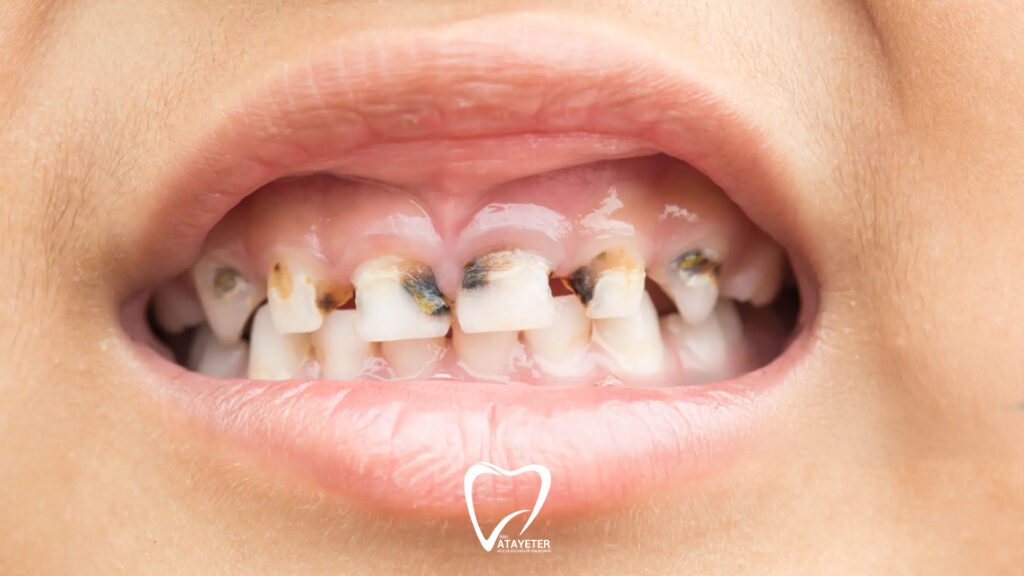
In its simplest form, tooth decay is the gradual breakdown and damage of the enamel layer that protects the outer surface of the tooth. This process usually does not happen suddenly; it begins with a small weakening and progresses silently over time.

Naturally occurring bacteria in the mouth feed on the sugars and carbohydrates we consume throughout the day. As they feed, they produce acids that attack and weaken the tooth enamel. Over time, this continuous exposure causes the protective surface of the tooth to lose its strength.
In the early stages, small white spots may appear on the tooth surface that are difficult to notice. This stage is actually the most critical period where the process can still be reversed. However, since it often goes unnoticed, it continues to progress. As it advances, small cavities begin to form, sensitivity develops, and eventually pain appears when eating or when exposed to hot and cold.
The Main Causes of Tooth Decay
Tooth decay is not caused by a single factor; it usually develops from a combination of small habits in our daily lives. It often starts with something very simple: not cleaning the teeth properly and regularly. Food particles and plaque left on the teeth become a perfect feeding ground for bacteria. Especially not brushing before going to bed at night accelerates this process because saliva flow decreases during sleep, allowing bacteria to multiply more easily.
Another important factor is our eating habits. It is not only sugary foods, but also frequent snacking, soft drinks, pastries, and carbohydrate rich foods that can increase the risk for teeth. The issue is not only what we eat but also how often we eat. Constant snacking exposes the teeth to acid attacks throughout the day, creating an environment where decay can easily develop.
In addition, saliva one of the body’s natural defense mechanisms plays a very important role. Saliva helps clean the mouth, neutralize acids, and protect oral health. However, not drinking enough water, stress, certain medications, or breathing through the mouth can reduce saliva production. When this happens, the mouth cannot protect itself properly, leaving the teeth more vulnerable.
Sometimes the issue is not just cleanliness itself, but how we clean our teeth. Brushing for too short a time, not reaching all surfaces, or not using dental floss can lead to plaque buildup especially between teeth. Most cavities actually start in these hard to reach areas.
In addition, genetics and neglecting regular dental check ups can also play a role. Some people may have more sensitive teeth even if they take good care of them. Therefore, tooth decay is not caused by a single mistake, but rather by a combination of small but repeated habits over time.
How Does Tooth Decay Start?
Tooth decay usually begins silently. In the earliest stage, very faint white and matte spots appear on the tooth surface so subtle that they are almost impossible to notice. This is the most critical stage where the tooth is essentially “asking for help,” but recovery is still possible. With proper oral care and timely intervention, this process can be stopped or even reversed.
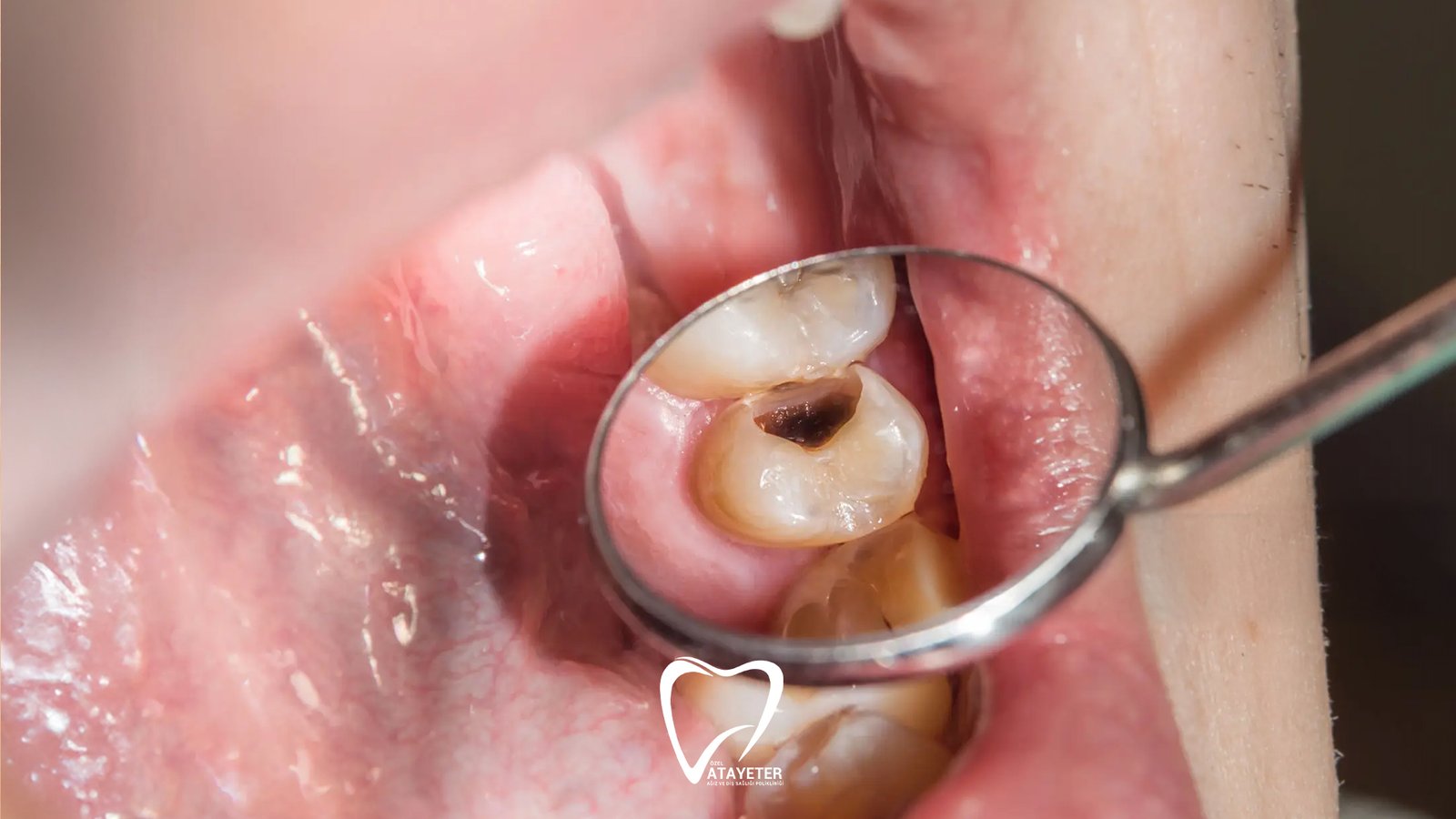
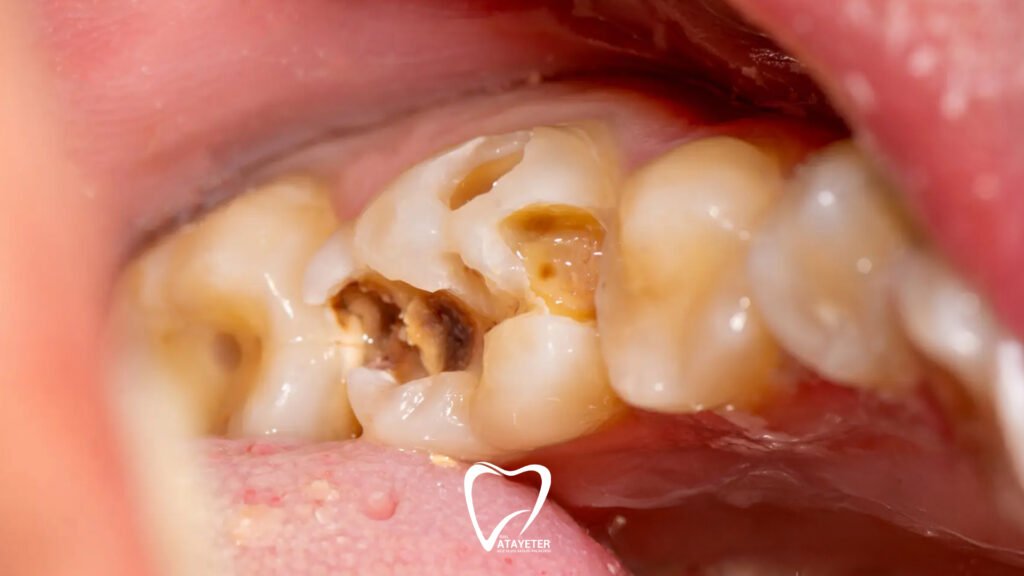
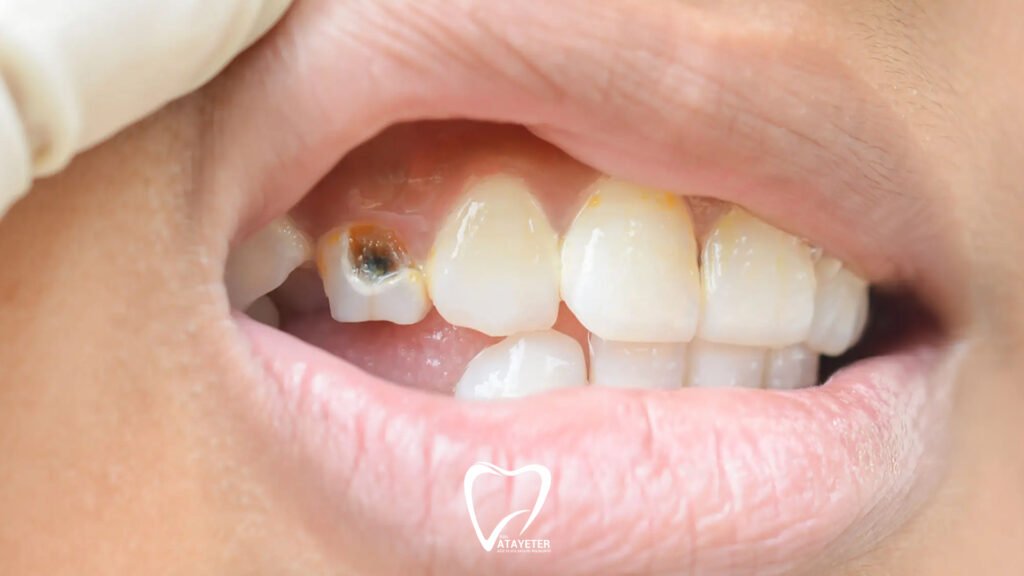
If these early signs are ignored, the process gradually progresses. The outer protective layer of the tooth, the enamel, starts to weaken and can no longer protect itself as effectively. At this point, decay no longer stays on the surface; it starts to move deeper into the tooth, forming small cavities. Most people only notice this stage when they experience sensitivity while eating or see visible changes.
As the process continues, the decay reaches deeper layers such as dentin, and things become more uncomfortable. Pain may begin because the decay is getting closer to the nerves. What initially looks like a simple spot can eventually turn into a serious condition that requires advanced treatment, sometimes even root canal therapy.
Is It Possible to Prevent Tooth Decay?
Yes, preventing tooth decay is actually not as difficult as it may seem. With a bit of attention and consistent habits, it can largely be avoided. There are simple daily steps that play a very important role in maintaining dental health.
The most basic point is proper oral hygiene. Brushing your teeth at least twice a day helps remove plaque and food debris that build up during the day. Adding dental floss makes it much easier to clean the areas between teeth, where most cavities tend to start.
Eating habits are just as important as cleaning. Reducing sugary foods and frequent snacking helps prevent constant acid attacks on the teeth. Drinking plenty of water also helps keep the mouth clean and supports saliva balance. In a way, the body can protect itself naturally we just need to support it a little.
Regular dental check ups are another crucial part of prevention, as cavities often begin unnoticed and are only detected during professional examinations. Using fluoride toothpaste also helps strengthen the enamel, making it more resistant to external factors.








Comments are closed