







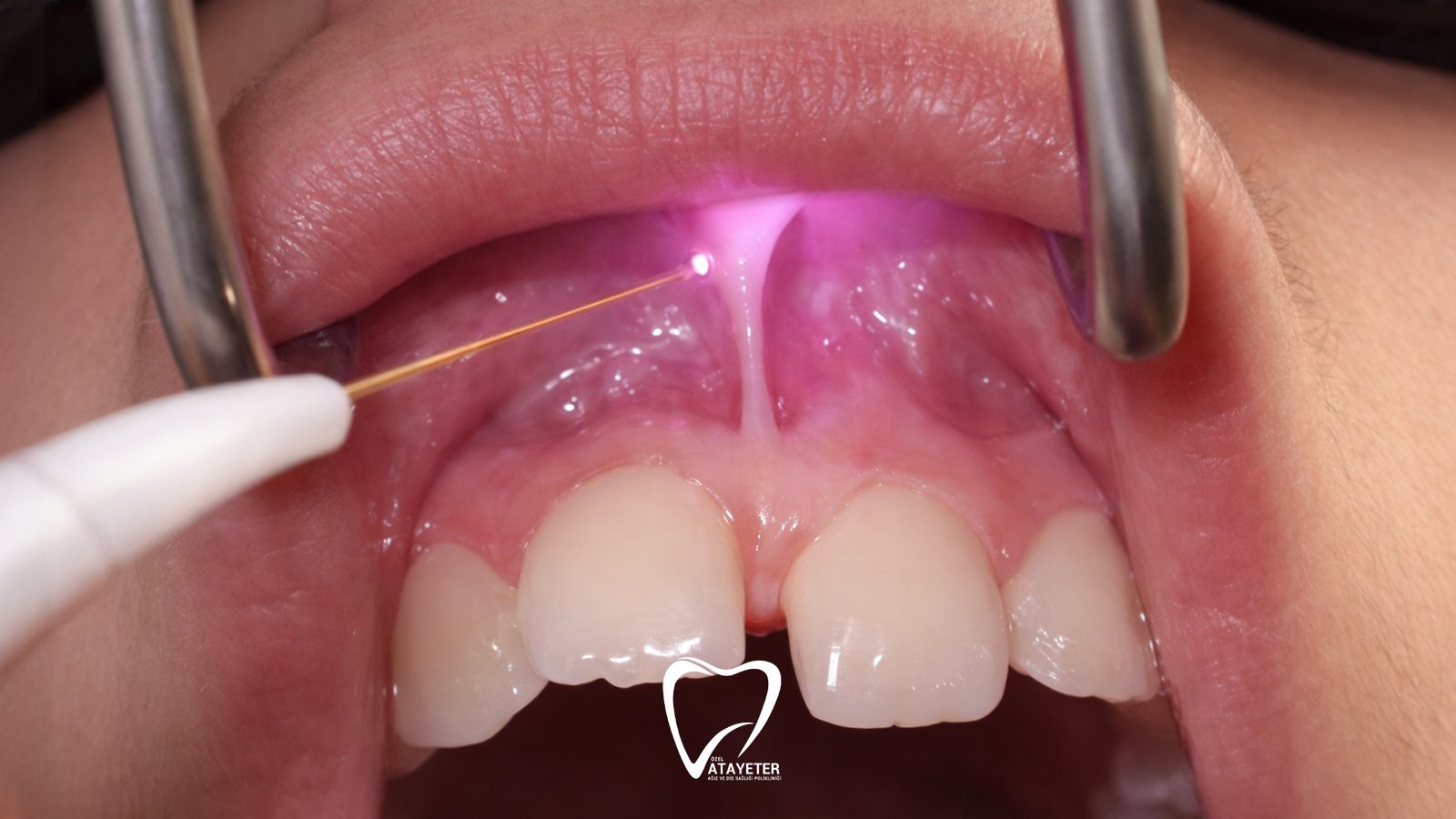
What Is Frenectomy?
When we talk about oral health, most of us immediately think of tooth decay, fillings, root canal treatments, or teeth whitening. However, there are also small structures inside the mouth that we often don’t even notice, yet they can significantly affect our daily comfort. One of these structures is the frenulum, a thin band of connective tissue. This delicate tissue connects the lips and tongue to the inside of the mouth and usually doesn’t cause any problems. But when it is too short, thick, or positioned incorrectly, it can lead to various issues ranging from speech and eating difficulties to gum problems and orthodontic concerns.
Frenectomy is the procedure in which this small but sometimes troublesome tissue is surgically adjusted or removed. At first, it may sound a bit intimidating. The idea of “something being cut inside the mouth” can make anyone uneasy. In reality, however, frenectomy is much simpler and quicker than most people expect, and it often brings remarkable relief. Many patients notice that the tightness they felt while speaking or cleaning their teeth gradually disappears after the procedure. What seems like a tiny intervention can make a surprisingly big difference.
What Is a Frenulum?
To better understand frenectomy, it helps to first know what a frenulum is. A frenulum is a thin yet functionally important band of connective tissue that connects the lips, cheeks, or tongue to the floor of the mouth or the gums. There are several frenula in the mouth, each playing a role in allowing smooth and natural oral movements. Most of the time, we are not even aware of them, simply because they don’t cause any discomfort when they function properly.
The most commonly discussed frenula in the mouth are the lingual frenulum (under the tongue), the upper lip frenulum that connects the upper lip to the gums, and the lower lip frenulum between the lower lip and the gum tissue. These structures play an essential role in everyday functions such as clear speech, swallowing, and natural mouth movements.
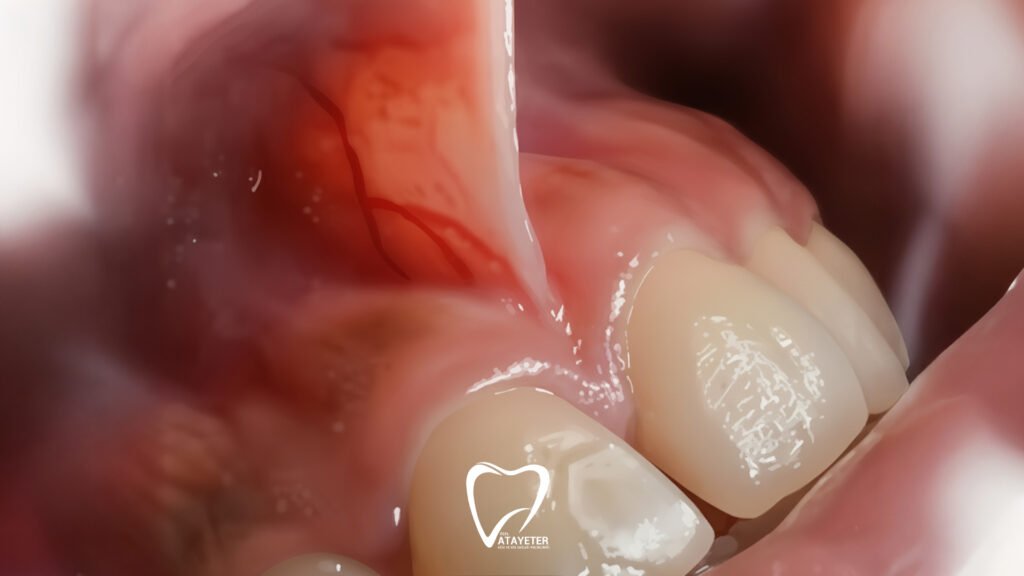
However, not every frenulum has an ideal structure. In some individuals, this connective tissue may be shorter, thicker, or attached in an unfavorable position. Although it may seem insignificant at first glance, over time it can lead to problems such as difficulty speaking, gaps between the teeth, gum recession, or challenges in maintaining proper oral hygiene. Issues that go unnoticed during childhood can become much more apparent later in life.
Why Is Frenectomy Performed?
Frenectomy is often thought of as a cosmetic procedure, but its main purpose is actually to improve daily comfort and function. The goal is not just to enhance appearance, but to make speaking, swallowing, and mouth movements easier and more natural. When a problematic frenulum is overlooked, it can gradually reduce a person’s quality of life.
One of the most common reasons for frenectomy is tongue-tie (ankyloglossia). When the frenulum under the tongue is too short, it restricts tongue movement and may lead to speech difficulties. Struggling with the pronunciation of certain sounds is quite common in both children and adults. In babies, this condition may show itself through difficulties with sucking and feeding.
In addition, an upper lip frenulum can cause a gap between the front teeth or contribute to gum recession. Frenectomy may also be recommended before orthodontic or prosthetic treatments to ensure better and more stable results. When performed at the right time, this small procedure can provide long-term comfort.
How Is Frenectomy Performed?
Frenectomy is usually a short and comfortable procedure performed under local anesthesia. This means the patient does not feel pain during the treatment, and many people are surprised by how quickly it is completed. Today, frenectomy can be carried out using two different methods, and the choice depends on the structure of the frenulum and the dentist’s evaluation.
In the traditional surgical frenectomy, the frenulum is carefully cut using a scalpel and reshaped appropriately. The procedure typically takes about 10 to 15 minutes. In some cases, a few small stitches may be needed. This method has been used safely for many years and provides very successful results when performed correctly.
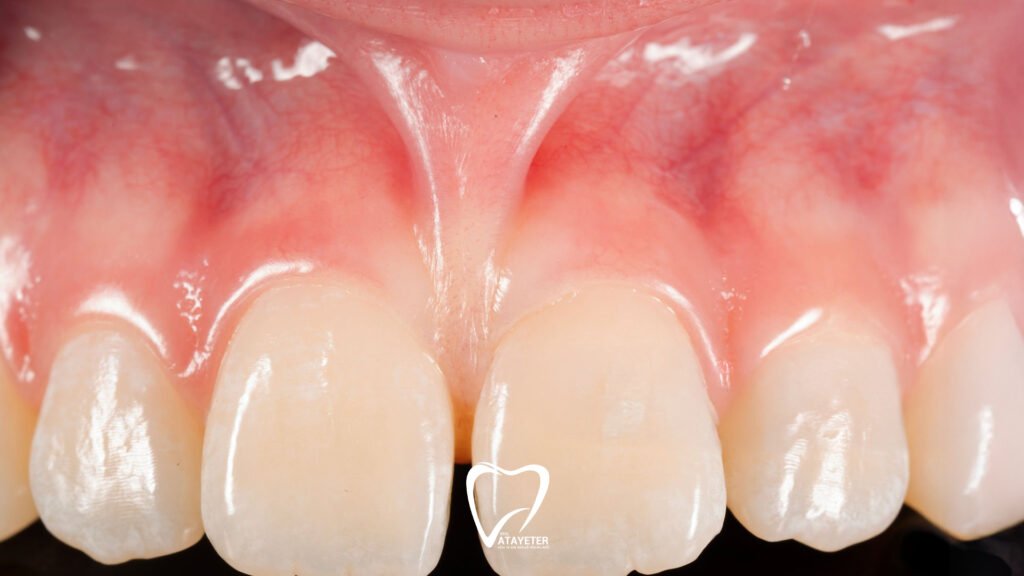
Laser frenectomy has become increasingly popular in recent years. Because a laser is used, bleeding is minimal, stitches are often unnecessary, and the healing process is usually faster. Post procedure discomfort is generally mild, allowing patients to return to their daily routine in a short time. The most suitable method is determined by the dentist based on the patient’s individual needs.
Who Can Have a Frenectomy?
Frenectomy is not limited to a specific age group. When necessary, it can be safely performed on patients ranging from infants to adults. What truly matters is not age, but how much the frenulum affects daily life. If it causes functional problems, timely treatment is important.
In infants, signs such as difficulty sucking, tiring quickly during feeding, or inadequate nutrition may indicate the need for frenectomy. In childhood, issues related to speech development often come to the forefront. Adolescents are frequently evaluated before orthodontic treatment, while adults may require frenectomy due to gum recession, restricted tongue movement during speech, or difficulties with dental prostheses.
Is Frenectomy Necessary, or Can It Be Delayed?
The answer to this question varies from person to person. In some cases, the frenulum does not cause any problems and can simply be monitored. However, if it affects speech, feeding, oral health, or aesthetics, delaying frenectomy is not recommended.
A small band of tissue can eventually lead to bigger issues if left untreated. Especially in children, early intervention can help prevent future speech and orthodontic problems.
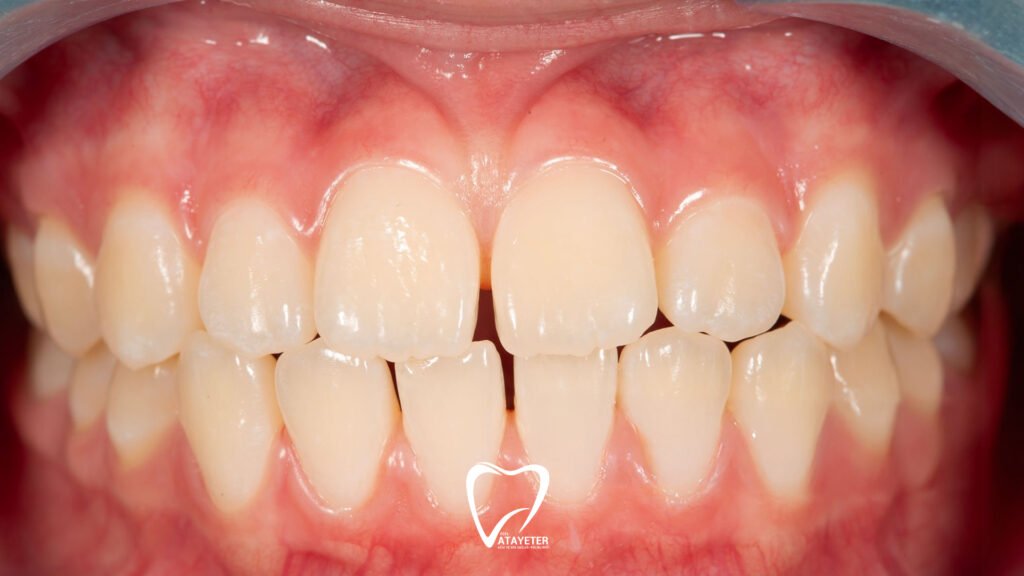
Frenectomy may seem like a minor and insignificant detail at first. Yet, when performed at the right time, it can bring a level of comfort that many people never realized was missing. Speaking more clearly, smiling without tension, and eating or brushing teeth without difficulty can all be connected to this tiny piece of tissue inside the mouth. Sometimes, people accept a limitation as “normal” simply because they have lived with it for years until it is finally gone.
Comments are closed