







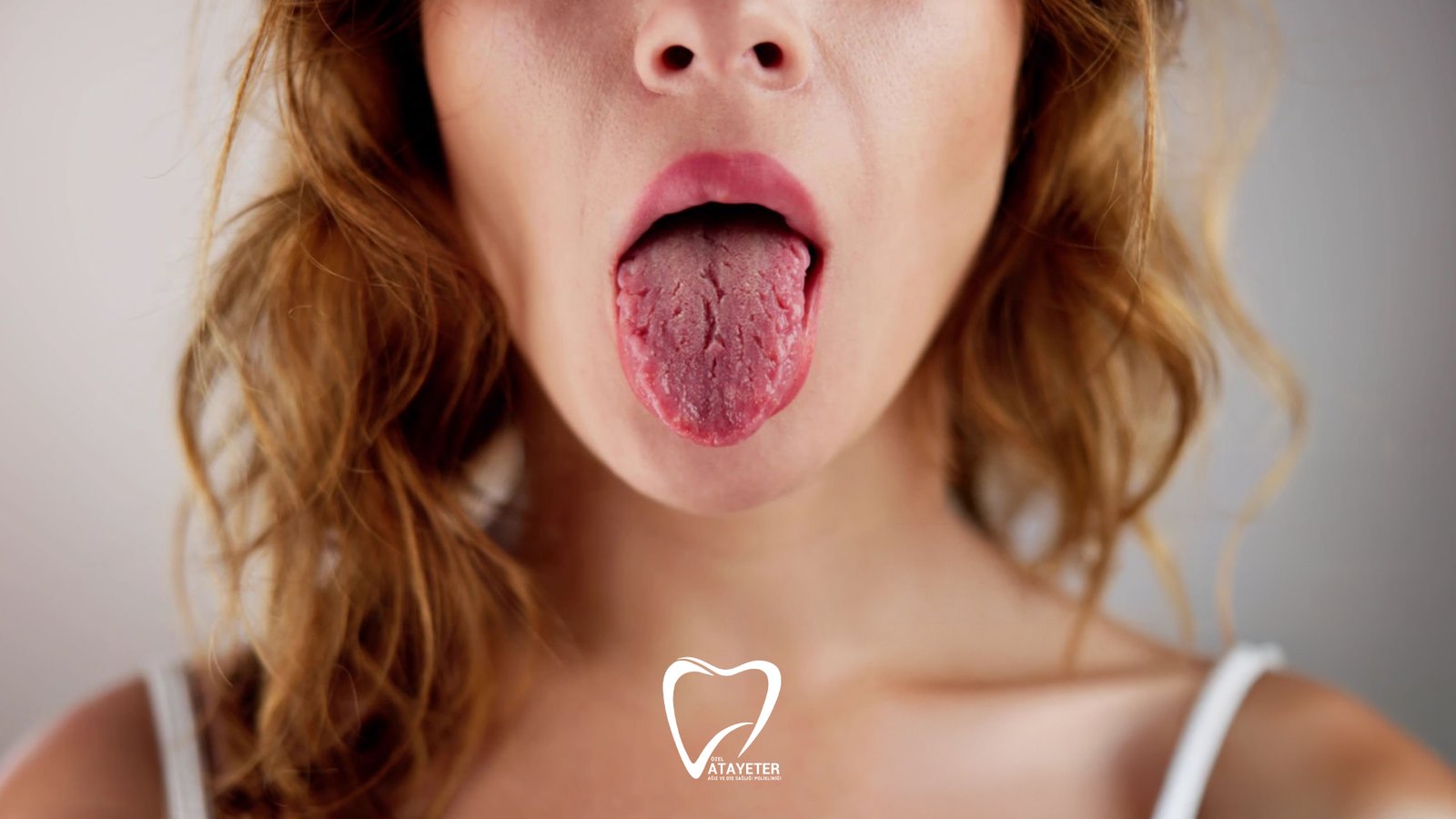
What Causes Dry Mouth and How Does It Go Away?
That familiar, uncomfortable dryness when you wake up in the morning… Your tongue feels like it’s stuck to the roof of your mouth, and even speaking feels difficult before taking the first sip of water. During the day, you feel the need to always have a bottle of water in your bag or on your desk. Most of us brush this off by saying, “I must be a little dehydrated.” But dry mouth often means much more than simple thirst. It’s actually one of the ways your body says, “Please pay attention to me.”
Dry mouth affects daily quality of life far more than most people realize. Eating becomes harder, swallowing feels uncomfortable, words don’t flow easily while speaking, and some people even experience bad breath or a burning sensation in the mouth. Over time, it can create the perfect environment for tooth decay, gum disease, and oral infections. So what seems like a “minor” issue can quietly damage your oral and dental health when ignored.
Medically known as xerostomia, dry mouth occurs when the salivary glands do not produce enough saliva. Saliva is something we often take for granted, yet it plays a vital role. It cleans the surface of the teeth, helps control bacteria, and acts as a natural shield against cavities. It also makes tasting, chewing, swallowing, and speaking comfortable. In short, when saliva decreases, the natural balance inside the mouth is disrupted.
For this reason, dry mouth should not be seen as just an “uncomfortable feeling.” Sometimes it is caused by medication, sometimes by intense stress, and sometimes by an underlying health condition. Your body may be trying to send a big message through a small symptom.
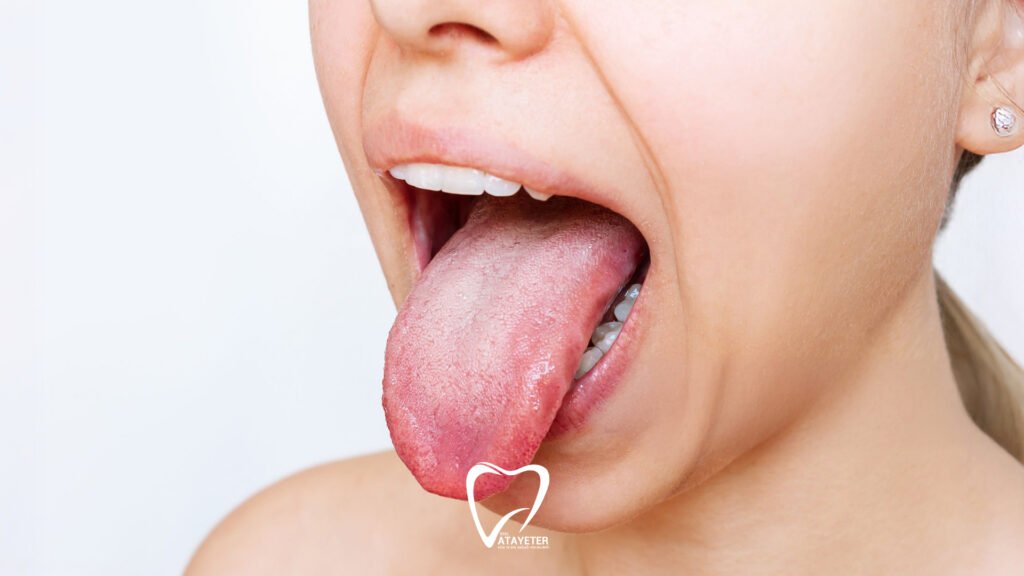
What Causes Dry Mouth?
Dry mouth is rarely caused by a single factor. Daily habits, stress, and certain health conditions often come together and create this uncomfortable sensation.
Not Drinking Enough Water
Failing to drink enough water during the day is one of the most common causes of dry mouth. Especially when tea and coffee replace water, the moisture inside the mouth decreases.
Stress and Anxiety
Dry mouth is very common during periods of stress or excitement. In these moments, the nervous system affects the salivary glands, leading to temporary dryness.
Medications
Some medications can reduce saliva production. Antidepressants, blood pressure medications, and allergy drugs are among the most common causes.
Breathing Through the Mouth
Sleeping with your mouth open or breathing through the mouth due to nasal congestion often leads to noticeable dry mouth in the morning.
Smoking and Alcohol
Smoking dries out the tissues inside the mouth, while alcohol causes dehydration. Regular use increases dry mouth symptoms.
Certain Medical Conditions
Diabetes, rheumatic diseases, and hormonal imbalances can all contribute to dry mouth.
Advanced Age
As we age, salivary gland function may slow down and medication use often increases, making dry mouth more common.
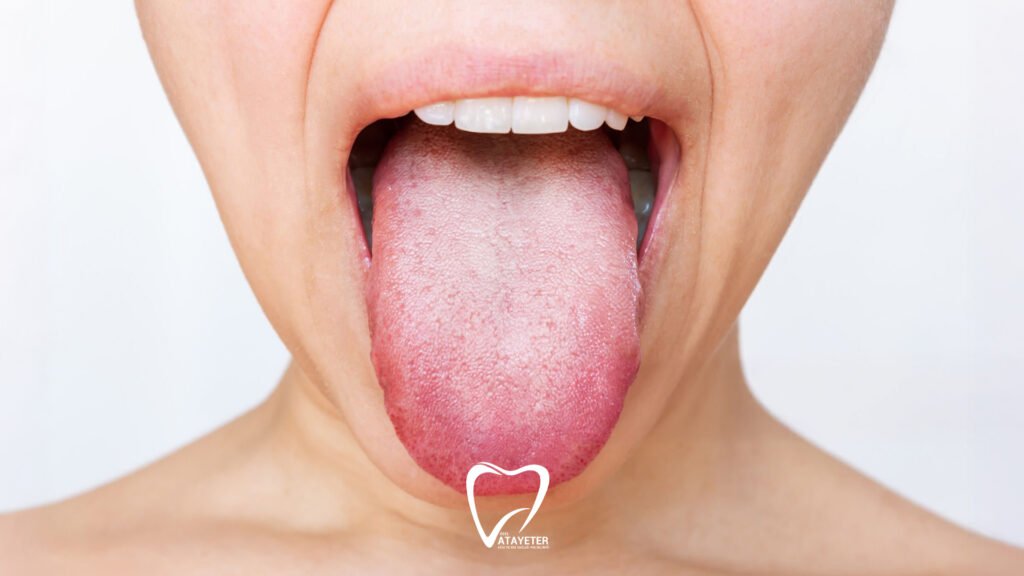
What Problems Can Dry Mouth Cause?
Dry mouth is often seen as a temporary discomfort, but its effects go far beyond that. Saliva is the mouth’s natural protector; it cleans the teeth, controls bacteria, and maintains oral balance. When saliva decreases, this protective shield slowly disappears.
People with dry mouth are much more prone to tooth decay, because acids and bacteria are no longer washed away effectively. Bad breath is also common, and no matter how often someone brushes their teeth, the odor may persist. Over time, the gums become more sensitive, leading to redness, bleeding, and gum disease.
As dryness worsens, a burning or stinging sensation may appear on the tongue. Eating and speaking can become difficult, swallowing feels uncomfortable, and long conversations may feel tiring. A reduced sense of taste is another common result, making favorite foods seem less enjoyable.
A lack of moisture in the mouth also creates an ideal environment for fungal and other oral infections. These infections tend to develop more easily, especially in people with weakened immune systems.
How Does Dry Mouth Go Away?
Relief often comes from small but consistent habits. Staying well hydrated throughout the day is the most important step. Instead of drinking large amounts at once, taking small sips frequently helps maintain moisture in the mouth. Drinking water right after waking up and before going to bed can noticeably reduce dryness. Chewing sugar-free gum or using sugar-free lozenges can also stimulate saliva production. The key is to avoid sugary products, as they may provide temporary relief but harm the teeth in the long run.
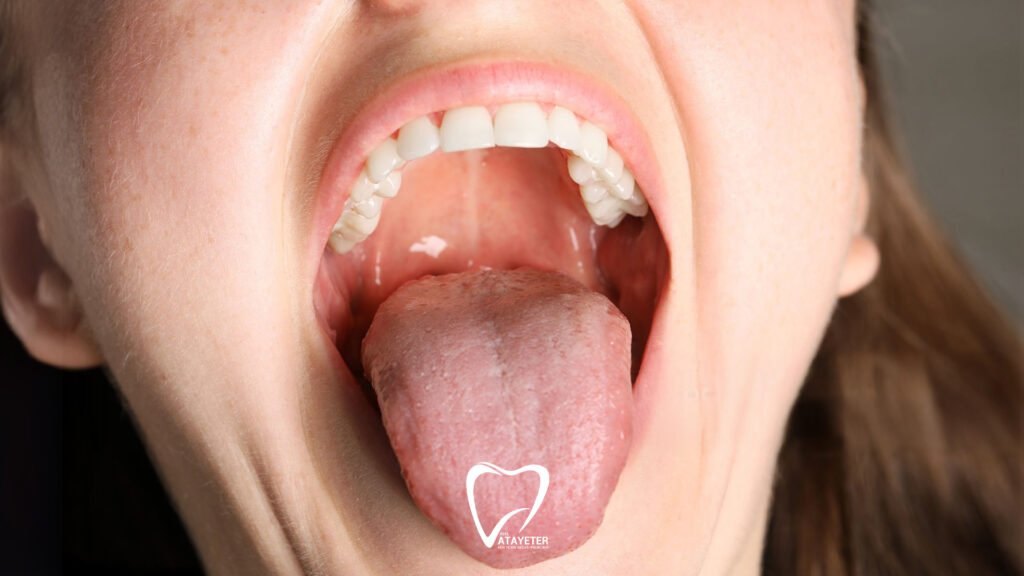
Diet and lifestyle choices play a bigger role than you might expect. Coffee, alcohol, and excessive caffeine can further dry out the mouth. You don’t necessarily have to quit completely, but reducing consumption can make a noticeable difference. Dry indoor air, especially during winter months, can also worsen symptoms. Using a humidifier at night may help reduce morning dryness.
Paying attention to oral hygiene is equally important. Brushing regularly, using dental floss, and choosing alcohol-free mouthwashes can make the mouth feel much more comfortable. If you constantly breathe through your mouth, identifying the cause is essential. Even something as simple as nasal congestion can trigger dry mouth. If the problem continues despite following all these steps, it’s important to schedule a dental examination.
Comments are closed