







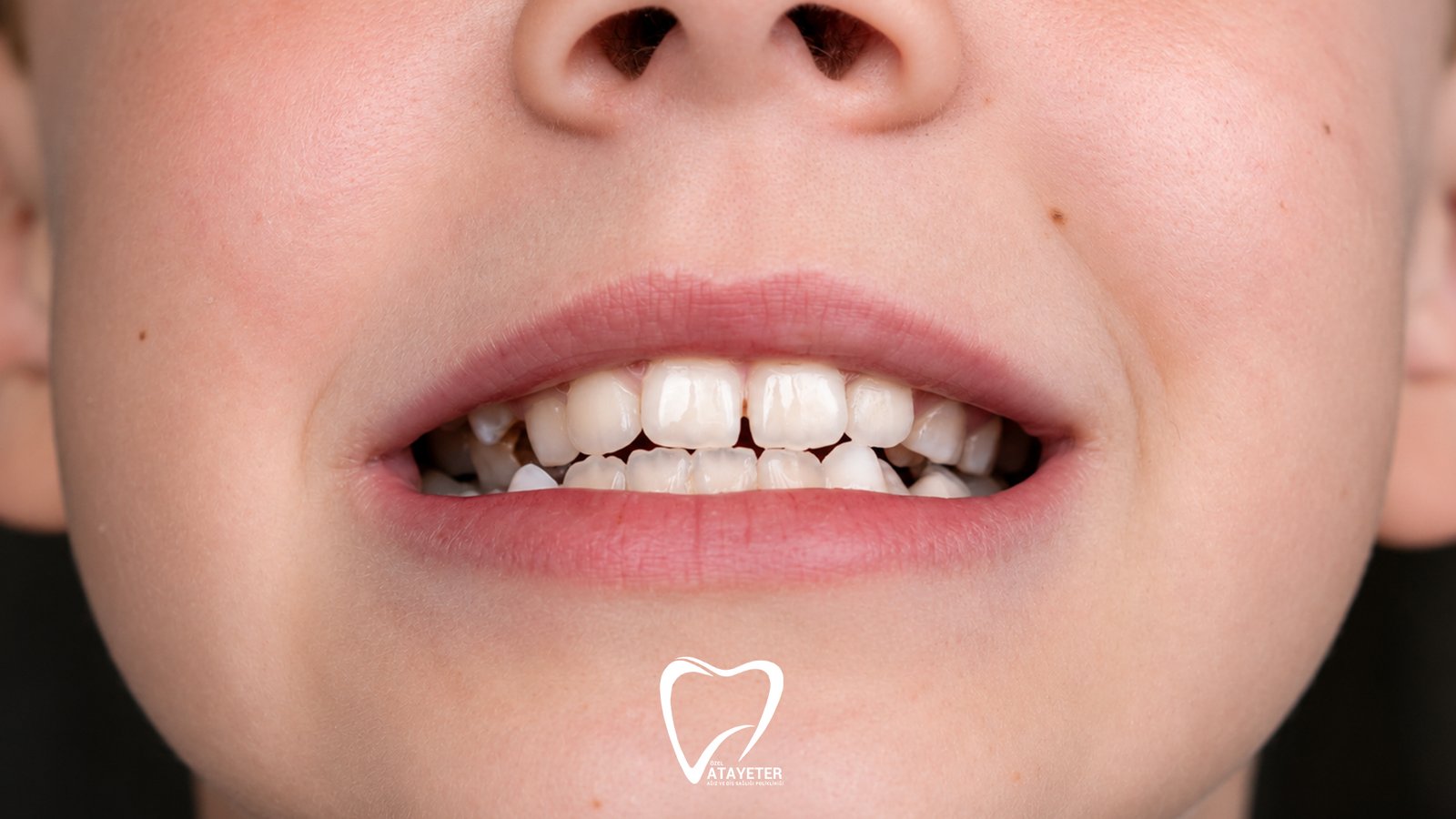
What Is Malocclusion? How Is It Treated?
A smile is often one of the warmest and most genuine ways to express ourselves without saying a single word. Whether we feel happy, confident, or are meeting someone for the first time, our smile is usually one of the first things people notice. However, not everyone feels comfortable smiling. Some people hesitate because they are self conscious about crooked teeth, while others may not even realize that the chewing difficulties, jaw discomfort, or speech problems they experience are actually caused by an improper bite.
Commonly referred to as a “bite problem” or “misaligned bite,” malocclusion occurs when the upper and lower teeth do not fit together properly. This condition is not just a cosmetic concern. Over time, it can contribute to tooth wear, gum disease, jaw joint discomfort, and difficulty maintaining good oral hygiene. It can begin during childhood and, if left untreated, may continue to affect oral health and overall quality of life well into adulthood.
The good news is that modern dentistry offers highly effective treatment options for malocclusion. Thanks to advances in orthodontics, both children and adults can benefit from comfortable, aesthetic, and successful treatment solutions. When diagnosed early, treatment is often simpler and can help prevent many long term dental and jaw related problems.
What Is Malocclusion?
Simply put, malocclusion is a condition in which the upper and lower teeth do not come together in their ideal position when the mouth is closed. In dentistry, this is known as a “bite misalignment.” It involves much more than teeth appearing crooked. While many people describe it as crooked teeth or a jaw alignment problem, malocclusion actually refers to a lack of harmony between the teeth and jaws as they work together.
In a healthy bite, the upper teeth sit slightly in front of the lower teeth, allowing all teeth to meet evenly during chewing. This balanced relationship makes it easier to chew food efficiently while preventing unnecessary strain on the jaw joints. When malocclusion develops, this natural balance is disrupted. Teeth may be positioned too far forward or backward, become crowded, develop gaps, or the upper and lower jaws may no longer align properly.
Many people assume that malocclusion is purely a cosmetic issue, but it can have a much greater impact on oral health. An improper bite may lead to uneven tooth wear, difficulty chewing, speech problems, jaw pain, and challenges in maintaining good oral hygiene. Crowded teeth are often harder to clean, increasing the risk of cavities and gum disease.
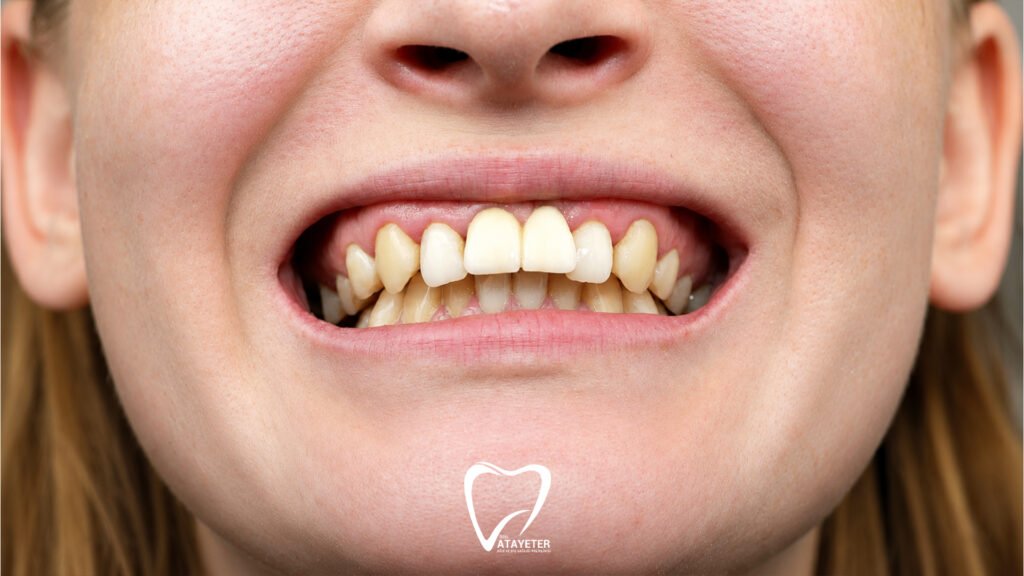
Malocclusion can vary significantly from one person to another. Some individuals have only mild crowding that is barely noticeable, while others experience severe bite problems that interfere with normal chewing. In more advanced cases, jaw misalignment may even affect breathing, speech, and overall facial appearance.
The encouraging news is that most cases of malocclusion can be successfully treated with early diagnosis and a personalized treatment plan. Bite problems identified during childhood are often easier to correct, but thanks to modern orthodontic techniques, adults can also achieve a healthy, functional, and beautiful smile. If you notice any irregularities in your teeth or jaw alignment, it’s important to have them evaluated by a dentist not only for cosmetic reasons but also to protect your long term oral health.
What Are the Symptoms of Malocclusion?
Malocclusion is not always obvious at first glance. Some people first notice it because of crooked teeth or because their upper or lower teeth appear to stick out. Others seek dental care after experiencing difficulty chewing, discomfort when biting, or persistent jaw pain. Additional signs may include clicking or popping sounds in the jaw joint, uneven tooth wear, difficulty pronouncing certain sounds, lips that do not close comfortably, or sleeping with the mouth open. These symptoms can vary from person to person and may differ in severity.
Having one or more of these symptoms does not necessarily mean you have a serious bite problem. However, changes in the alignment of your teeth or jaws can gradually affect both your oral health and your daily comfort. For this reason, it is always a good idea to have these concerns evaluated by a dentist or orthodontist as early as possible. A thorough examination can identify the underlying cause and, if necessary, help create the most appropriate treatment plan before more significant problems develop.
What Causes Malocclusion?
There is no single cause of malocclusion. A combination of genetic factors, childhood habits, and oral health conditions can interfere with the proper alignment of the teeth and jaws. Some of the most common causes include:
Genetic Factors
The size and shape of your teeth and jaws are largely determined by genetics. If one or both parents have crowded teeth or jaw alignment issues, their children are more likely to develop similar conditions. A mismatch between jaw size and tooth size is one of the most common reasons for malocclusion.
Thumb Sucking
Thumb sucking is considered normal during early childhood, but when the habit continues for too long, it can negatively affect jaw development. If it persists beyond the age of four or five, it may push the front teeth forward and contribute to bite problems.
Prolonged Pacifier or Bottle Use
Using a pacifier or bottle for an extended period may also influence the natural development of the teeth and jaws. During the growing years, this can increase the likelihood of orthodontic problems later in life.
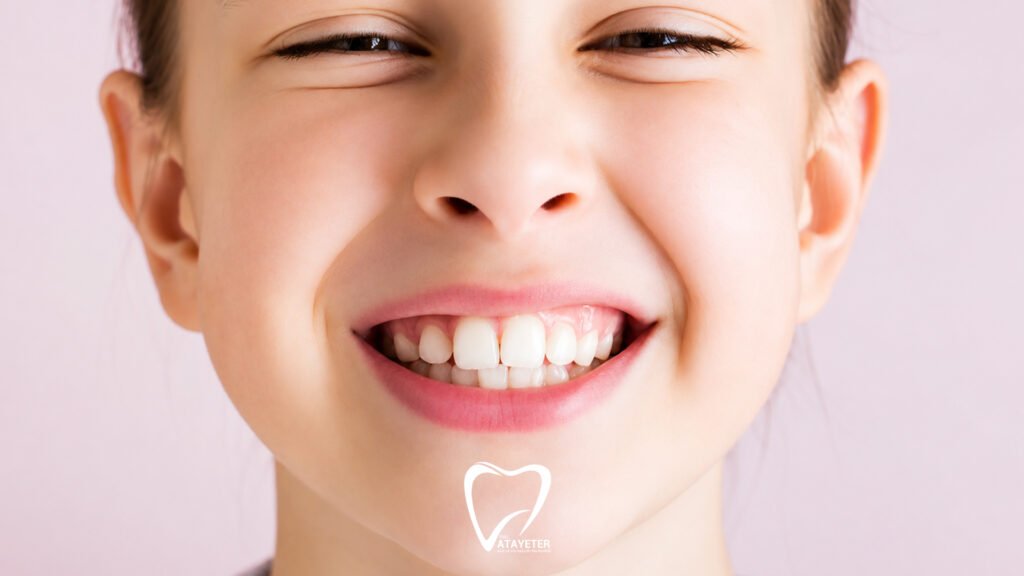
Early Tooth Loss
When baby teeth are lost too early because of decay or injury, the permanent teeth may not have enough guidance to erupt into their proper position. As a result, crowding and bite misalignment can develop over time.
Impacted Teeth
Teeth that fail to erupt properly especially wisdom teeth can place pressure on neighboring teeth and contribute to alignment problems. Regular dental check ups make it possible to detect impacted teeth early and determine whether treatment is needed.
Jaw Injuries
Injuries to the jaw caused by accidents or direct impact can affect both the jawbone and the way your teeth come together. After any significant jaw trauma, it is important to have an orthodontic evaluation to identify potential bite problems and begin treatment if necessary.
How Is Malocclusion Treated?
The first and most important step in treating malocclusion is identifying the underlying cause of the problem. Every bite is unique, which means there is no single treatment that works for everyone. Your dentist or orthodontist will carefully evaluate your age, jaw structure, tooth alignment, and the severity of the bite issue before creating a personalized treatment plan. After a thorough examination, the goal is to choose the approach that will not only restore healthy oral function but also provide the most natural and aesthetically pleasing result.
Thanks to remarkable advances in modern orthodontics, treating malocclusion has become far more comfortable and effective than it was in the past. Today’s treatment options include traditional metal braces, ceramic braces that blend more naturally with your teeth, and nearly invisible clear aligners. These solutions have helped both children and adults achieve healthier, straighter smiles with greater comfort than ever before. The best option is always selected based on your individual needs, lifestyle, and treatment goals.
Treatment time varies from person to person, but one thing remains the same: patience and following your dentist’s recommendations are essential for achieving the best outcome. A well planned orthodontic treatment does much more than straighten your teeth. It improves your ability to chew comfortably, reduces unnecessary stress on the jaw joints, enhances your smile, and plays a valuable role in protecting your long term oral health.
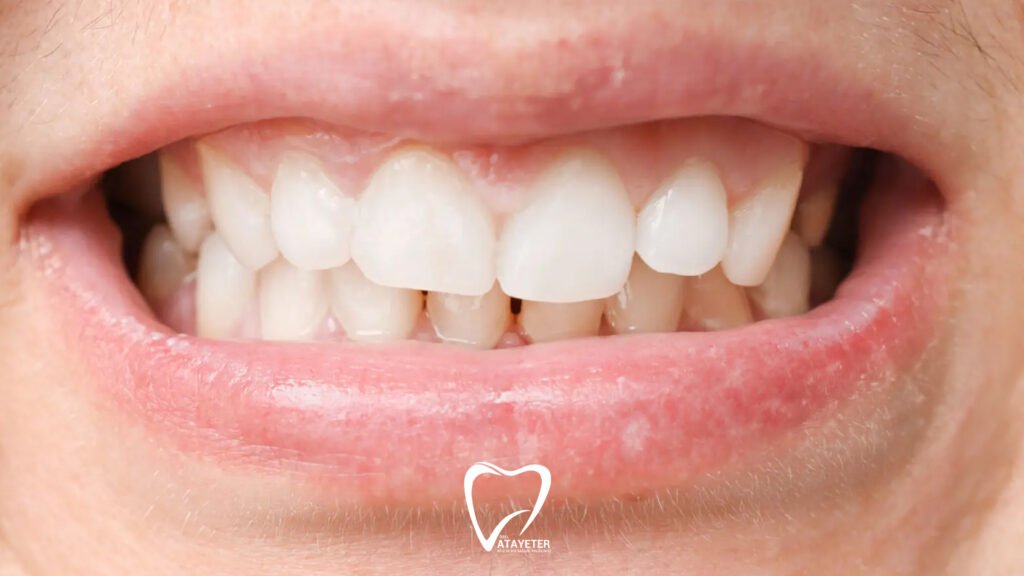
Can Malocclusion Be Prevented?
Malocclusion cannot always be completely prevented. When genetics play a major role, avoiding bite problems may not be possible. However, healthy habits developed from an early age and regular dental check ups can significantly reduce the risk. Many orthodontic issues can also be managed much more easily when they are identified before they become more serious.
Reducing the risk of malocclusion starts with encouraging healthy childhood habits. Helping children stop thumb sucking at the appropriate age, avoiding prolonged pacifier and bottle use, protecting baby teeth from decay, and treating cavities without delay all contribute to healthy jaw and tooth development. In addition, attending regular dental check ups and seeking treatment for habits such as teeth grinding or clenching can help maintain healthy teeth, jaws, and a well balanced bite for years to come.
Comments are closed