







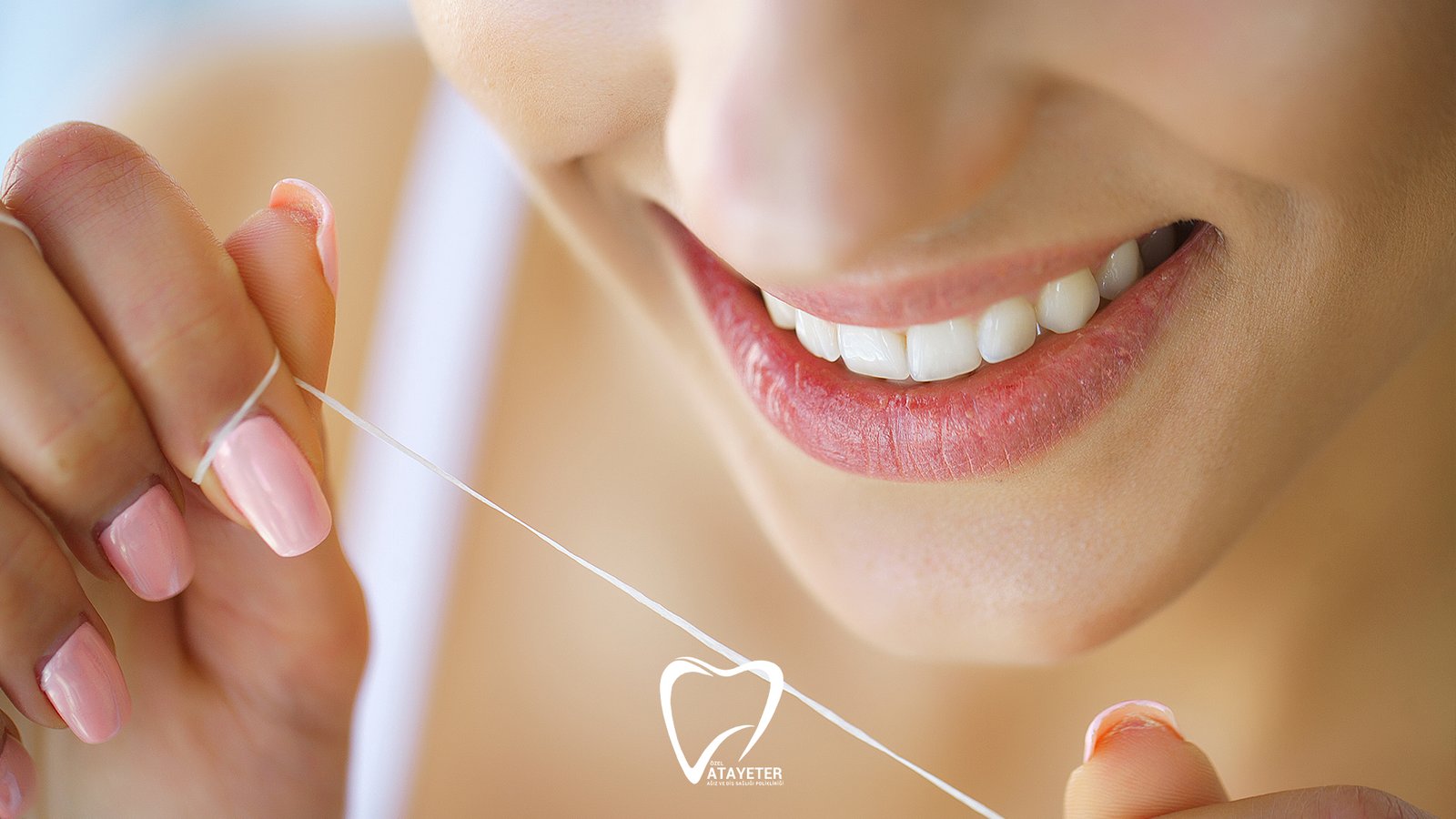
How to Use Dental Floss?
What Is Dental Floss?
When it comes to oral and dental health, the first thing that comes to most of our minds is brushing our teeth. We may think that brushing regularly in the morning and before going to bed is enough for a healthy mouth. Of course, brushing is the foundation of oral care; however, it is not enough on its own to provide perfect cleaning. Because there are areas that a toothbrush cannot reach and that are difficult to see, and many problems that threaten oral health start exactly in these areas.
The foods, drinks, and snacks we consume throughout the day leave small residues between our teeth. Over time, these residues combine with bacteria and cause plaque formation. Although the toothbrush we use to clean the surfaces of our teeth is quite effective, it cannot always fully reach the narrow areas where teeth touch each other.
Dental floss is a thin and durable oral care product specially designed to clean food residues and plaque left between the teeth. It helps remove bacteria that accumulate in the areas where teeth touch each other and plays an important role in completing oral care. In fact, using dental floss is not only a method we turn to when something gets stuck between our teeth; it is a habit that should be practiced regularly for a healthy mouth and strong gums.
Many people neglect using floss because they may not notice its effect immediately. However, most problems that occur in the mouth develop slowly and silently over time. When plaque accumulated between the teeth is not cleaned, gum sensitivity and bleeding may first appear. Then bad breath, gum inflammation, and cavities may occur. Especially cavities that form in the areas where teeth touch each other can progress for a long time without being noticed and may lead to the need for more extensive treatments.
Why Is Using Dental Floss Important?
Many of us think oral care is only about brushing our teeth. However, no matter how regularly you brush, there are always some areas that a toothbrush cannot reach. Especially the narrow spaces where teeth touch each other are very suitable areas for bacteria and food residues to accumulate. That is why, in order to create a healthy oral care routine, dental floss should also be included alongside brushing.
Small pieces of food we consume during the day often remain between our teeth without us even noticing. These residues, which may seem unimportant at first, combine with bacteria in the mouth and form a sticky layer called plaque. If this plaque is not cleaned regularly, it can harden over time and turn into tartar. Tartar is not only disturbing in terms of appearance; it can also pave the way for gum diseases.
Redness, sensitivity, and bleeding during brushing are often among the first signs of plaque that has not been cleaned properly. In the following process, more serious problems such as bad breath, gum recession, and cavities may occur. Especially cavities that develop between the teeth may go unnoticed for a long time and are often understood only when pain begins.
Some people may experience frequent cavities even though they brush their teeth regularly. One of the important reasons for this is that the spaces between the teeth are not cleaned well enough. Because cavities can occur not only on the visible surfaces of the teeth but also in the areas where teeth touch each other. Thanks to dental floss, plaque and food residues accumulated in these areas can be cleaned effectively.
How to Use Dental Floss?
Many people who start using dental floss for the first time may think that it is difficult and troublesome. In fact, after learning the correct method, using dental floss turns into a very practical habit and takes only a few minutes to add to your daily care routine.
First, take a piece of dental floss approximately 40–45 centimeters long. Wrap most of the floss around the middle fingers of both hands and leave a few centimeters of space in the middle where you can work comfortably. Then, control the floss with the help of your thumbs and index fingers and make it ready for use.
It is very important not to rush while placing the floss between the teeth. Instead of making hard and sudden movements, the floss should be gently moved back and forth and passed between the teeth. When the floss reaches the gum line, it should be slightly curved to wrap around the side surface of the tooth and cleaned with up and down movements.
The purpose here is not only to remove food residues stuck between the teeth. It is also to clean the plaque layer that accumulates over time and cannot be seen with the naked eye. In this way, it may be possible to prevent cavities and gum problems that may occur between the teeth.
Is Bleeding While Using Dental Floss Normal?
Many people who are new to using dental floss may feel worried when they notice slight bleeding in their gums during the first days. In fact, this is quite common and usually does not indicate a serious problem.
When dental floss has not been used for a long time, plaque buildup may occur between the teeth and along the gum line. These buildups can make the gums sensitive and cause them to bleed easily during cleaning. When dental floss is used regularly, the gums become healthier over time, and this bleeding usually decreases on its own.
The important thing here is to use dental floss with gentle movements and not to interrupt your care routine. Because most of the time, the cause of bleeding is not the dental floss itself, but the sensitivity caused by plaque that has not been cleaned from the gums.
However, if bleeding continues for a few weeks despite regular use, becomes more severe, or if different symptoms such as swelling and pain in the gums are also present, it would be useful to see a dentist.
When Should Dental Floss Be Used?
The most important point in using dental floss is not which time of day you use it, but being able to turn it into a regular habit. Dentists generally recommend using dental floss at least once a day. Because food residues and plaque that accumulate between the teeth throughout the day without being noticed can negatively affect oral health over time.
For many people, the most suitable time to use dental floss is before going to bed at night. Residues left by foods and drinks consumed during the day may accumulate between the teeth by the end of the day. Since saliva production decreases while sleeping at night, the mouth becomes more vulnerable to bacteria compared to the daytime. Therefore, detailed oral care before going to bed makes an important contribution to protecting the teeth and gums.
Of course, there is no harm for those who prefer to use dental floss in the morning. The important thing is to apply it regularly, no matter which time of day you choose. However, for many people, using dental floss after the nighttime brushing routine makes it easier to build the habit. In this way, your oral care becomes more complete and effective.
Benefits of Using Dental Floss
Using dental floss is not only about cleaning food residues stuck between the teeth. In fact, this small habit plays a much more important role in protecting oral and dental health than you might think. When used regularly, it helps both the teeth and gums stay healthier.
Plaque accumulated between our teeth can pave the way for cavities over time. Especially in areas that a toothbrush cannot reach, this plaque can grow without being noticed. Using dental floss helps clean these areas and contributes to reducing the risk of cavities that may form between the teeth.
In addition, it also offers important benefits for gum health. Bacteria accumulated along the gum line can cause problems such as sensitivity, redness, and bleeding over time. Regular use of dental floss helps remove these buildups and supports healthier gums.
Another important benefit is that it helps reduce bad breath. Small food particles left between the teeth during the day are broken down by bacteria over time and may cause unwanted odors. Cleaning these residues with dental floss helps create a cleaner and fresher feeling in the mouth.
Comments are closed