







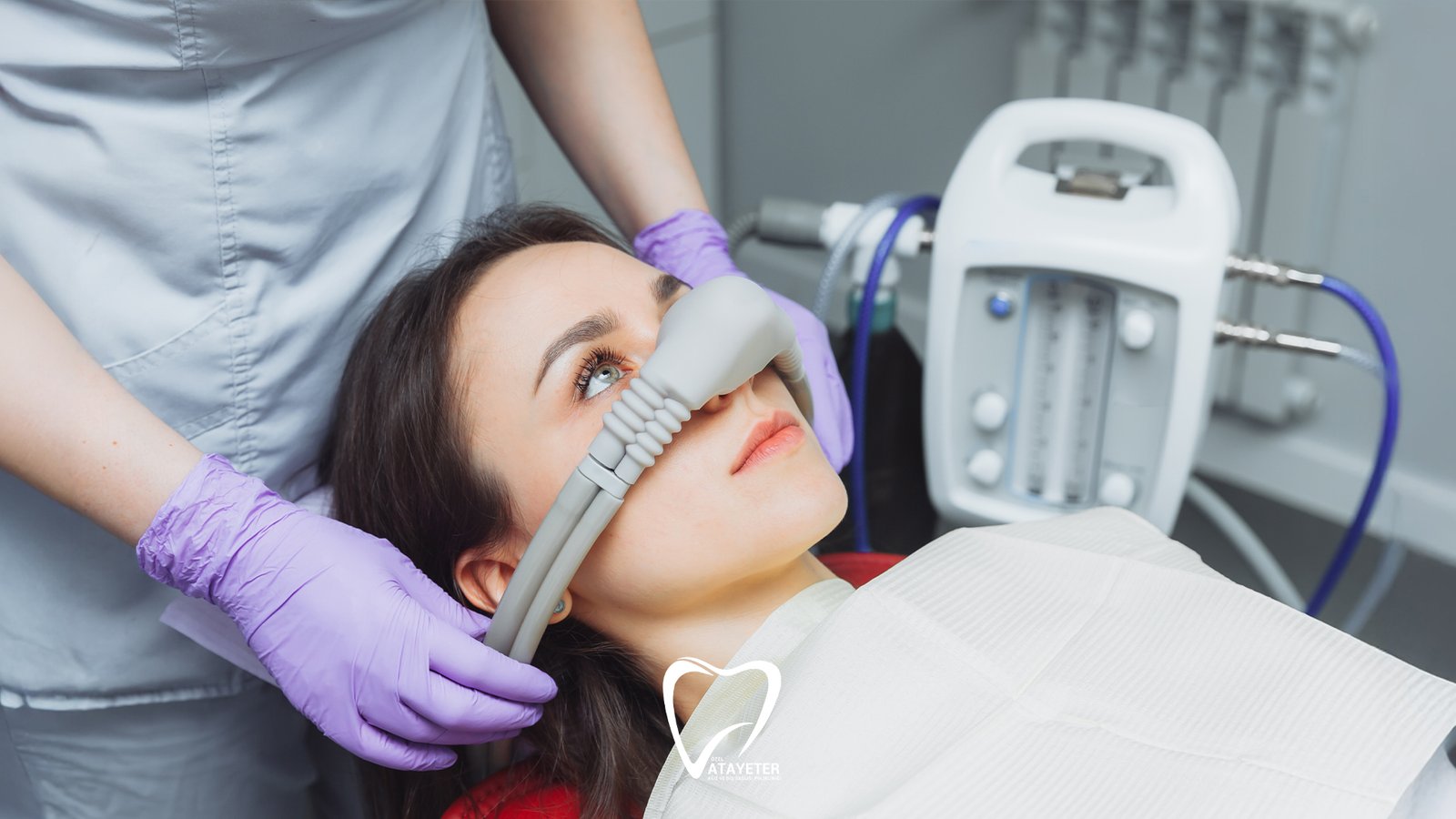
Sedation in Dental Treatment
For many people, the idea of visiting a dentist is far more than a simple appointment; it often means days of mounting tension and, at times, an overwhelming sense of fear. A racing heartbeat, sweaty palms, a knot in the stomach… and sometimes constantly postponing the visit with the thought, “I’ll deal with it later.” If any of this sounds familiar, you’re not alone. Dental anxiety, known as dentophobia, is much more common than most people realize and is a very human experience.
In many cases, this fear is rooted in a negative experience from the past. A drill sound remembered from childhood, an unexpected pain, or a procedure done without proper explanation… The mind stores these memories for years and brings them back the moment a dental chair comes into view. Sometimes the fear doesn’t even come from a personal experience, but from stories heard from others, movies, or exaggerated accounts passed along over time. In the end, the feeling is the same: a loss of control and fear of the unknown.
This fear doesn’t remain only a psychological issue; it directly affects oral and dental health as well. Postponed check ups, delayed treatments, and small problems brushed aside with “It’ll be fine for now” can gradually turn into much bigger issues. Yet many dental problems can be treated far more easily and comfortably when detected early. Unfortunately, fear often causes people to step back at the very moment they need care the most.
The good news is that modern dentistry is no longer what it used to be. Technology is advancing rapidly to improve patient comfort. Techniques that minimize pain, approaches focused on relaxation, and the importance given to dentist patient communication all play a key role in overcoming this fear. Today, the question “Do I really have to go to the dentist?” is gradually being replaced by “How can I do this more comfortably?”
What Is Sedation? Is It the Same as General Anesthesia?
Sedation is a method designed to relax the patient during treatment without putting them completely to sleep. The main goal is to reduce anxiety, relax the body, and help the patient feel safe. Sedation is often confused with general anesthesia, but these two methods are actually quite different.
Under general anesthesia, the patient is placed into a deep sleep. They are unaware of what is happening, feel no pain, and have no memory of the procedure afterward. Sedation, on the other hand, is much lighter. The patient is not fully disconnected; they are in a semi awake, deeply relaxed state. They may hear sounds but don’t focus on them, their sense of time becomes distorted, and the procedure often feels much shorter than expected. Afterward, most patients remember little or nothing, or recall the experience only vaguely.
One of the most important differences with sedation is that vital reflexes remain under the patient’s control. Breathing, swallowing, and other natural reflexes continue normally. This makes sedation both a safe and comfortable option. The patient feels relaxed while still being protected.

How Is Dental Treatment Performed with Sedation?
Sedation is not a single, fixed technique. The most suitable method is chosen based on the patient’s anxiety level, the duration of the dental procedure, and their overall health. The goal is always the same: to ensure the patient feels calm, safe, and comfortable.
Oral Sedation
With this method, a calming medication is given before the procedure. It is generally preferred for patients with mild dental anxiety. The patient feels relaxed and less tense, but remains conscious. The treatment process becomes much easier and less stressful.
Intravenous (IV) Sedation
This is one of the most commonly used methods. Medication is administered through a vein, allowing the patient to reach a deep state of relaxation quickly. The patient stays calm throughout the procedure and usually remembers very little afterward. It is especially preferred for long or complex treatments.
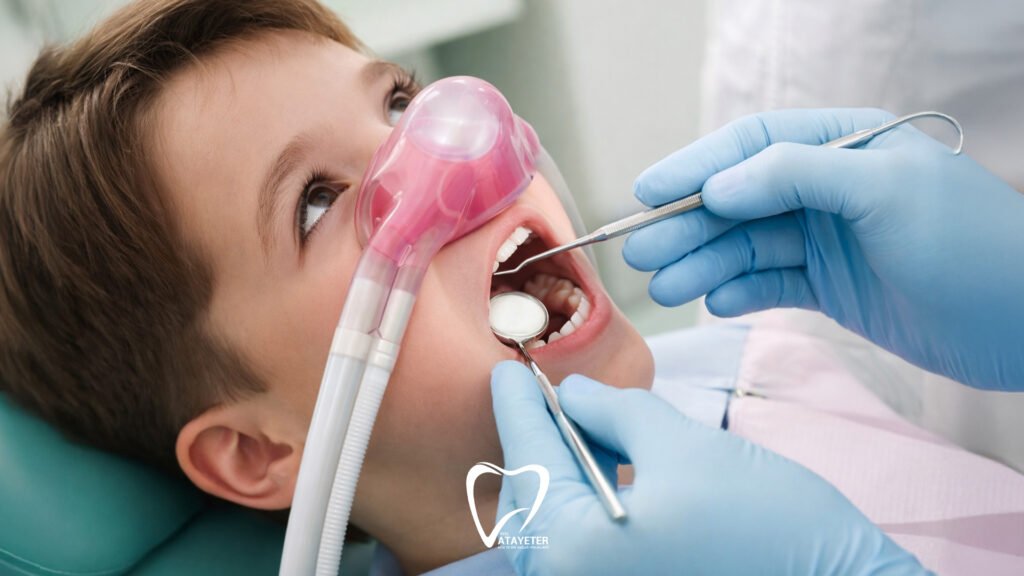
Gas Sedation (Nitrous Oxide)
Commonly known as “laughing gas,” this method is often used for children and adults with mild anxiety. Its effect begins quickly and wears off shortly after the procedure ends. The patient feels relaxed but does not lose contact with their surroundings.
Regardless of the sedation method used, it is essential that the procedure is carried out by experienced professionals in clinics equipped with the necessary medical equipment. This ensures that treatment is both safe and comfortable.
Which Dental Treatments Can Be Performed with Sedation?
Sedation is often associated only with difficult or lengthy procedures, but it can actually be used for a wide range of treatments, especially for patients with dental anxiety. For some people, even a simple procedure can be a major source of stress. Sedation helps make treatment far more manageable, both physically and emotionally.
The most common dental procedures performed under sedation include tooth extractions, particularly impacted or surgically complex ones. Dental implants can also be carried out very comfortably with sedation. Root canal treatments, gum surgeries, and other surgical procedures greatly benefit from the patient being relaxed.
Sedation is also frequently preferred when multiple teeth need to be treated in a single session. This allows the patient to complete a long treatment process with minimal awareness. Additionally, for patients with severe dental fear, even routine procedures that would normally be challenging can be performed smoothly with sedation.

Are There Any Side Effects of Sedation?
One of the most common questions about sedation is whether it has any side effects. This concern is completely understandable. When applied to suitable patients by a qualified and experienced team, sedation is a very safe method.
After the procedure, some patients may experience mild dizziness, drowsiness, or temporary lack of focus. Others may notice that they don’t clearly remember the details of the treatment. In rare cases, mild nausea can occur. These effects are temporary and usually disappear within a few hours.
It is recommended to rest for the remainder of the day after sedation, avoid driving, and leave the clinic with a companion if possible. These simple precautions help ensure a safe and comfortable recovery.
Prices for Dental Treatment with Sedation
One of the most common concerns for patients considering dental treatment with sedation is the cost. However, it is not possible to give a single fixed price, as the cost varies depending on the individual and the type of treatment involved.
Many factors influence pricing, including the type of sedation used, the length of the procedure, how many teeth will be treated in the same session, and the patient’s overall health. In some cases, mild relaxation is sufficient, while others may require deeper sedation, which naturally affects planning and cost.
What truly matters is the level of comfort and sense of safety that sedation provides. Being able to complete treatments that have been postponed for years due to dental fear in a single session and with little to no memory of the process offers an invaluable sense of relief for many patients. Sedation is not just a method; it transforms dental treatment from a source of fear into a manageable experience.
If you want to undergo dental treatment in a calm, controlled, and stress free way, sedation may be the right option for you. The best approach is always to consult with your dentist for personalized information and planning.
Comments are closed