







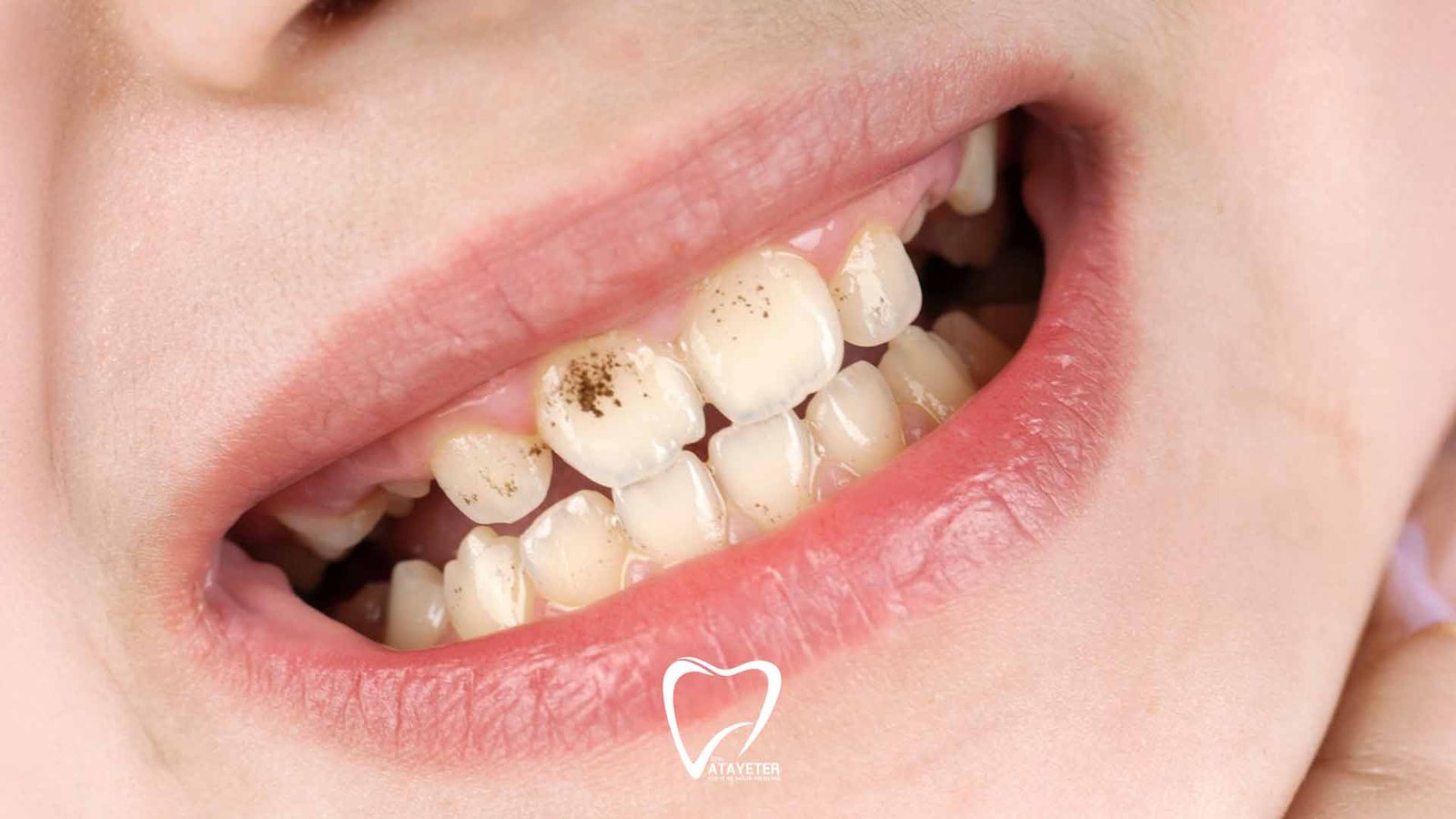
Why Do Teeth Get Stained?
We all know that healthy, bright teeth are not just an aesthetic detail they also boost our confidence. A genuine smile can sometimes speak louder than a thousand words; it can start a conversation, bridge the gap between people, and make a big difference in first impressions. However, sometimes, no matter how carefully we take care of them, unwanted stains can appear on our teeth.
These stains often seem minor at first, but over time, when we notice them in the mirror, they can make us hesitant to smile. Coffee, tea, smoking, aging, or certain foods are just a few of the many reasons teeth can stain, and each has its own solution. The important thing is to see these stains not just as a cosmetic issue, but as something that can affect our confidence.
Causes of Teeth Staining
Teeth stains are actually quite common, and almost everyone experiences them at some point in their life. Sometimes they appear without us even noticing and can make us hesitant to smile. So why do these stains appear? The reasons can generally be grouped under a few categories:
Foods and Drinks: If you love coffee or tea, this will sound familiar. Red wine, dark colored fruits, and some sauces can also cause subtle changes in the color of your teeth. Fortunately, these stains usually form on the surface and can be significantly reduced with regular and proper brushing.
Smoking and Tobacco Products: Unfortunately, smoking is one of the most common causes of yellow or brown stains on teeth. Nicotine and tar stick to the enamel, reducing its natural whiteness, and the stains become more noticeable over time.
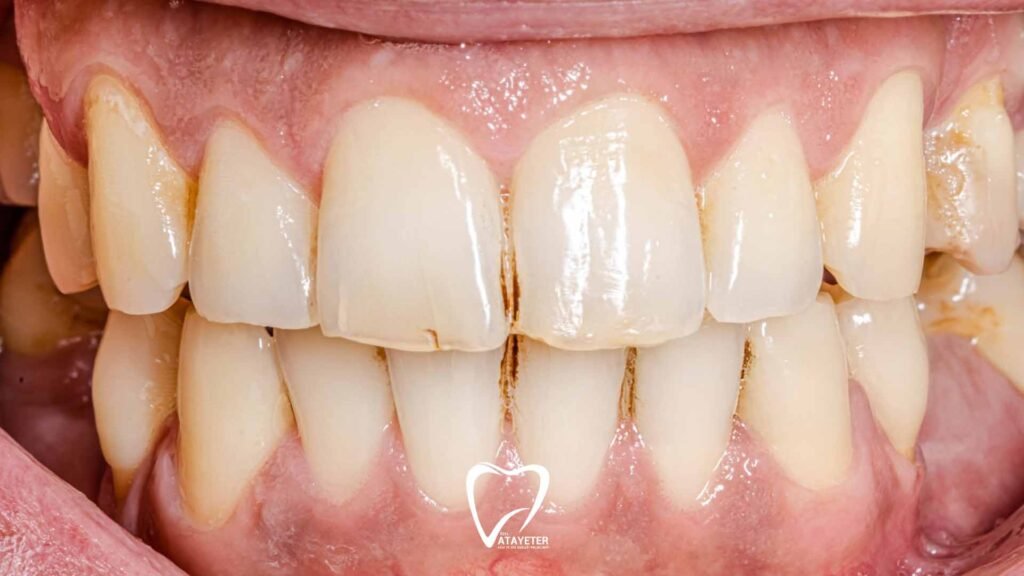
Excessive Fluoride Use: Fluoride is very useful for protecting teeth from decay, but excessive use, especially during childhood, can create white or brown stains on teeth. Dentists call this “fluorosis,” and unfortunately, these stains are usually permanent.
Aging: As time goes by, tooth enamel naturally wears down, revealing the dentin underneath. Since dentin is slightly more yellow or darker than natural enamel, stains become more visible with age. This is completely normal, though it can sometimes be aesthetically bothersome.
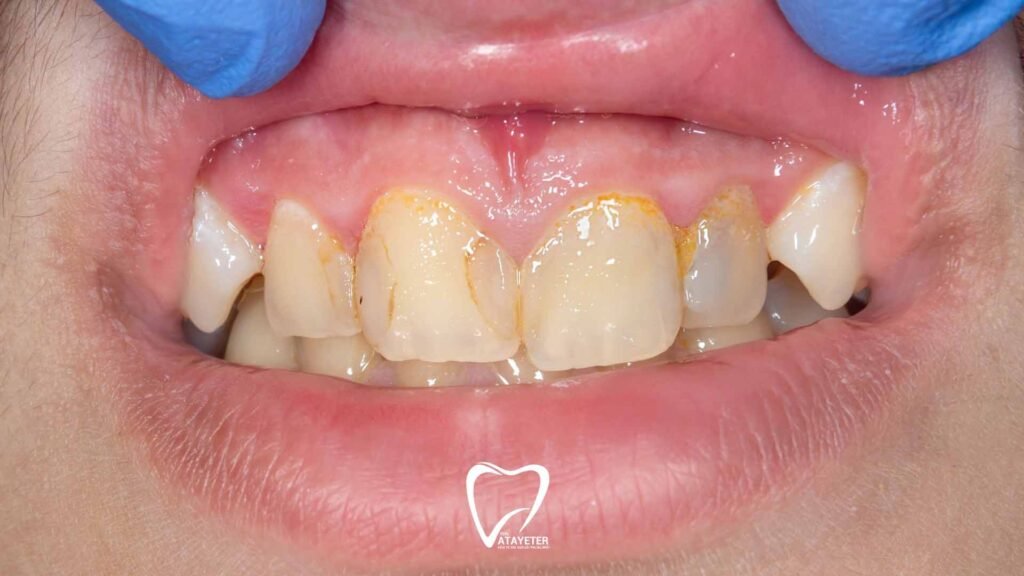
Medication Use: Certain medications, especially tetracycline antibiotics used in childhood, can cause teeth staining. These types of stains are usually permanent and require professional dental intervention for treatment.
Ways to Combat Teeth Stains
Teeth stains may seem overwhelming at times, but don’t worry—you can notice a difference immediately with the right steps. To put it simply, there are three main ways to deal with stains:
Small but Effective Home Solutions:
Adding a few simple habits to your daily dental care routine can greatly prevent stains from forming. Regular brushing, flossing, and using mouthwash help maintain oral hygiene and block stain buildup. Also, rinsing your mouth or drinking a glass of water after consuming coffee, tea, or other staining beverages makes it harder for stains to settle. These simple but effective steps help preserve your teeth’s natural whiteness.
Whitening Products:
Whitening toothpaste and strips available at pharmacies or supermarkets are effective, especially for surface stains. However, caution is necessary: overuse can damage enamel. Following the instructions ensures a safe and effective whitening experience.
Professional Teeth Whitening:
If you want a more lasting and effective solution, consult your dentist about professional whitening methods. In office laser or special gel treatments can make a significant difference for both surface and deeper stains. Usually, results are visible within a few sessions, and the effect lasts for a long time.
How to Prevent Teeth Stains
Fighting teeth stains is important, but preventing them from forming is just as valuable. Small yet effective changes in your daily habits can help protect your teeth from discoloration.
First, try to avoid excessive consumption of beverages that cause stains, like coffee and tea. If you do drink them, rinsing your mouth with water immediately afterward makes it harder for stains to set.
Staying away from smoking and other tobacco products is another very effective step in combating stains. Nicotine and tar can quickly change your teeth’s color, so preventing it from the start is best.
Regular brushing and flossing are fundamental ways to prevent stains from accumulating. Using fluoride toothpaste in the correct amount not only strengthens enamel but also provides extra protection against discoloration.
Another key point is regular dental check ups. Professional observation allows potential stains or other issues to be noticed early and treated promptly.
Teeth stains are a natural occurrence that can happen to anyone. The important thing is not to feel bad about them and to explore possible solutions. Remember, your smile is your most valuable asset, and protecting it is crucial for both your health and confidence.
Maybe you have a small coffee habit, or perhaps you’ve been smoking for years. That’s perfectly fine; what matters is awareness and taking the right steps. Sometimes, a small professional intervention can remove stains that have been there for years and restore that bright smile you’ve been missing.
Comments are closed