







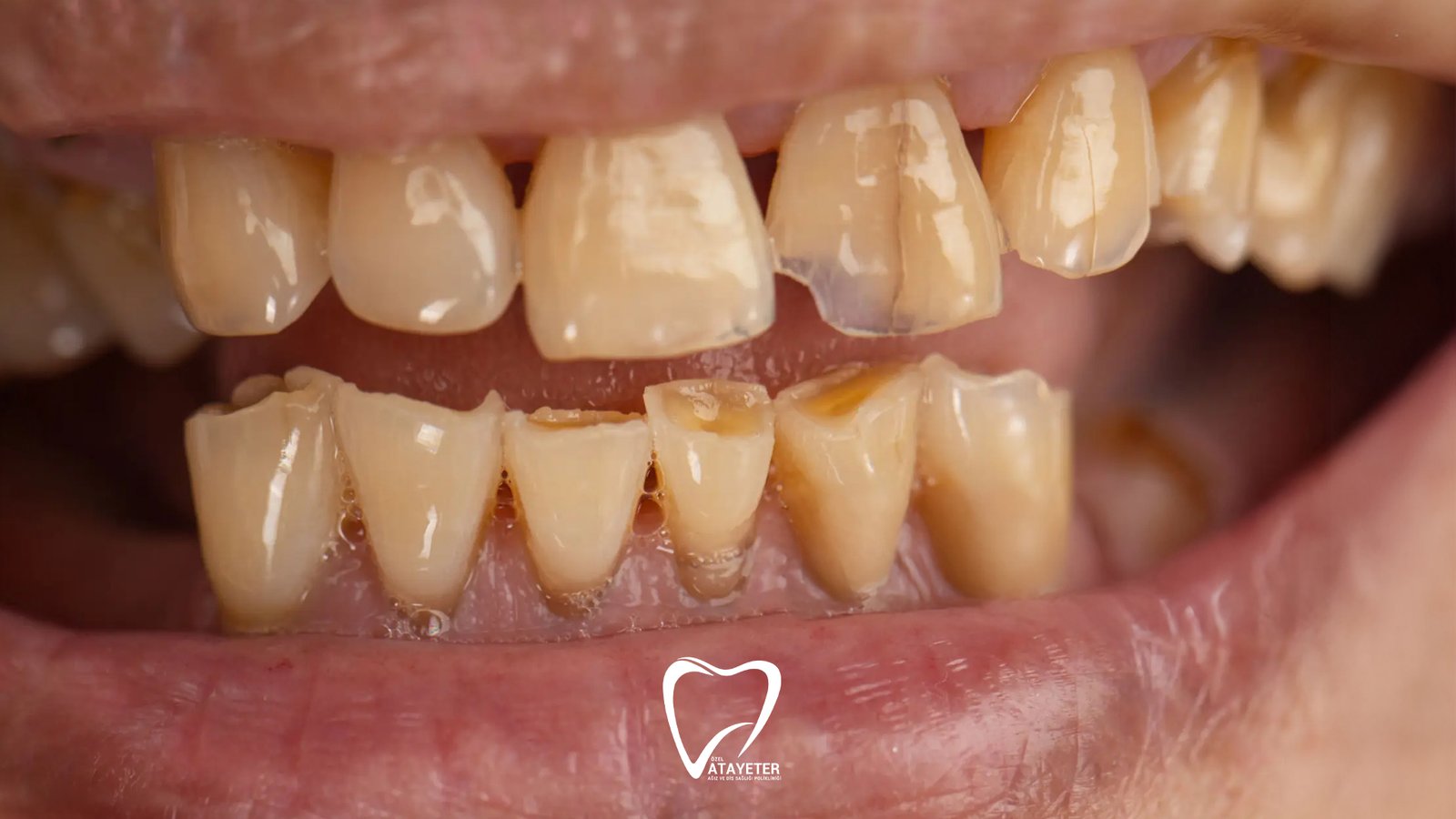
What is Tooth Erosion?
Our teeth often seem strong and durable, as if they will stay with us without any issues for years. But the reality is a bit different. Like other organs in our body, teeth can weaken over time if not properly cared for or exposed to certain habits, potentially leading to irreversible damage. Habits that harm the enamel can affect our teeth much faster than we might think.
You may have heard the term before, or this might be your first time encountering it; either way, it’s something many of us experience without realizing. Tooth erosion happens when the enamel wears away due to acidic drinks, certain foods, improper brushing techniques, or even stomach acid from conditions like acid reflux. While it may not be noticeable at first, over time, symptoms such as sensitivity, color changes, and structural weakening of the teeth can appear.
What Exactly is Tooth Erosion?
The term “tooth erosion” might sound a bit technical at first, but it’s actually quite simple. Essentially, erosion occurs when the outermost layer of our teeth, the enamel, gradually wears away due to acids. The key detail here is that this wear is not caused by bacteria but by the direct effect of acids. In other words, tooth erosion is different from typical cavities. While cavities involve bacteria, erosion is mainly caused by the foods we eat, the drinks we consume, or even acids produced by our own body.
Think about it: you drink a lemon flavored beverage or frequently eat oranges. These acidic foods come into direct contact with your enamel, gradually causing microscopic wear. Similarly, for people with acid reflux, stomach acids can reach the mouth and increase the risk of erosion.
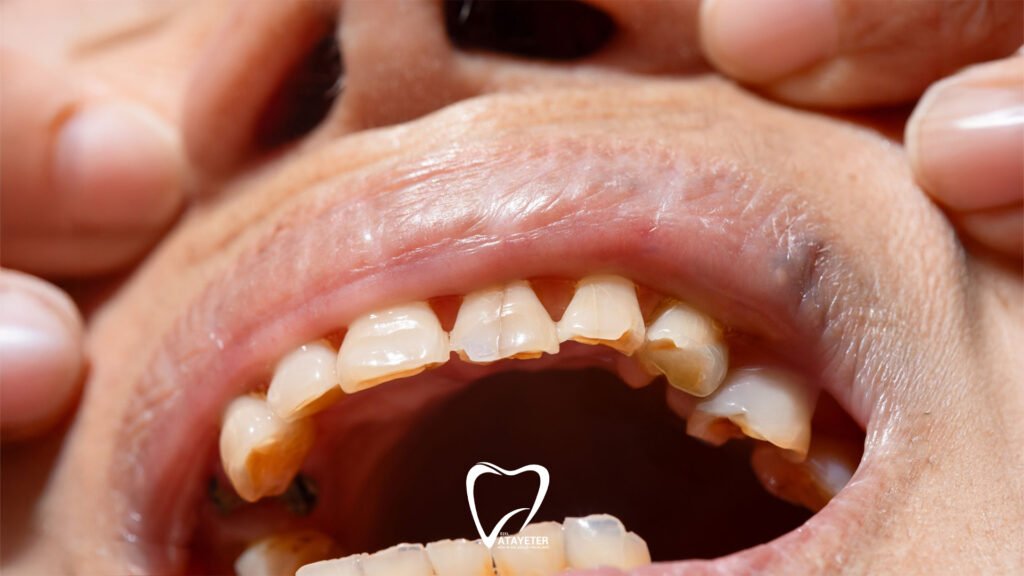
Unfortunately, once enamel wears down, it cannot regenerate. This means the damage is permanent, and prevention is much easier before any harm occurs. That’s why tooth erosion is often a problem that needs to be detected early but is usually noticed late. By the time people notice sensitivity or changes in color, some damage has usually already occurred.
The good news is that understanding and preventing tooth erosion is very possible with everyday habits. Limiting acidic drinks, learning proper brushing techniques, and keeping up with regular dental check ups can significantly reduce the risk of erosion. Small steps today can protect your smile and long term dental health.
What Causes Tooth Erosion?
Tooth erosion usually doesn’t stem from a single cause; several factors often combine and show their effects over the years. Some everyday habits can weaken the enamel without you even realizing it. Let’s look at the most common causes:
Acidic Foods and Drinks
We all enjoy the occasional soda, energy drink, or packaged fruit juice. While these can be enjoyable, their high acid content slowly wears down tooth enamel. Frequent consumption throughout the day can unknowingly lead to significant damage over time.
Interestingly, even healthy foods like lemons and oranges can harm your teeth if eaten in excess. Moderation is key; the old saying “too much of anything is harmful” applies here too. Constantly sipping lemon water or snacking on citrus fruits can increase the risk of enamel erosion.
Stomach Acid (Reflux and Vomiting)
Stomach acid is far from a friend to your teeth. Conditions like acid reflux or frequent vomiting allow powerful acids to reach the mouth, directly wearing down the enamel. Over time, this can cause sensitivity, color changes, or tiny cracks in the teeth.
People with reflux often damage their teeth without realizing it. This shows how closely digestive health and dental health are connected.
Improper Brushing
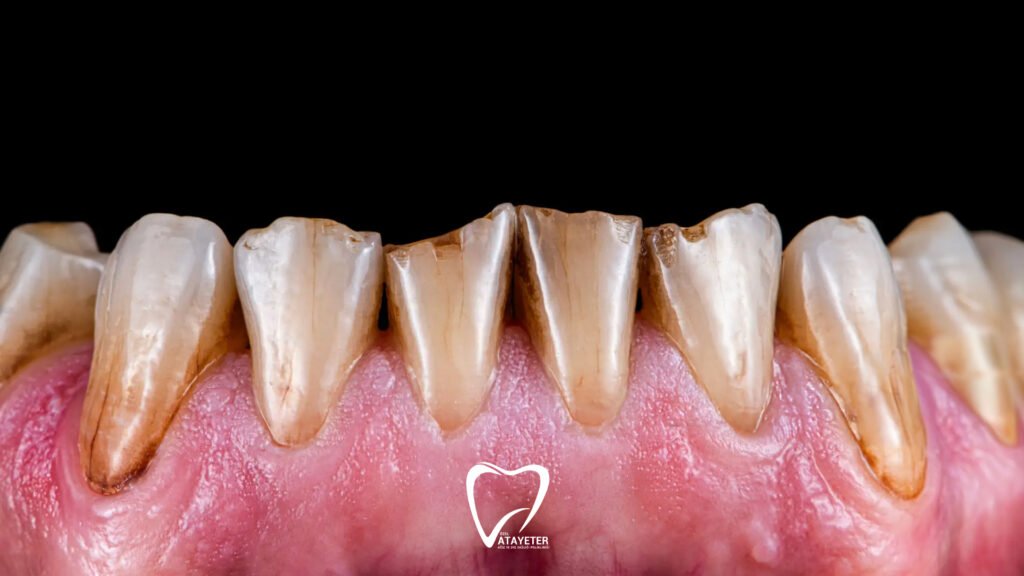
Brushing your teeth is healthy, but doing it the wrong way can have the opposite effect. For example:
- Using a brush with hard bristles,
- Brushing with too much pressure,
- Brushing immediately after consuming acidic foods or drinks,
All of these can make your enamel more sensitive and increase erosion risk. The key is to use a soft bristled brush and gentle technique. Also, waiting at least 30 minutes after consuming acids helps protect the enamel.
Dry Mouth
Saliva is one of the body’s natural defenses for teeth. It neutralizes acids, cleans the surface, and helps protect your teeth. But if your mouth is dry, this natural protection decreases and the risk of erosion rises quickly.
Dry mouth is common in older adults, those taking certain medications, or people who don’t drink enough water. Simple habits like staying hydrated and avoiding triggers for dryness can slow down erosion.
What Are the Signs of Tooth Erosion?
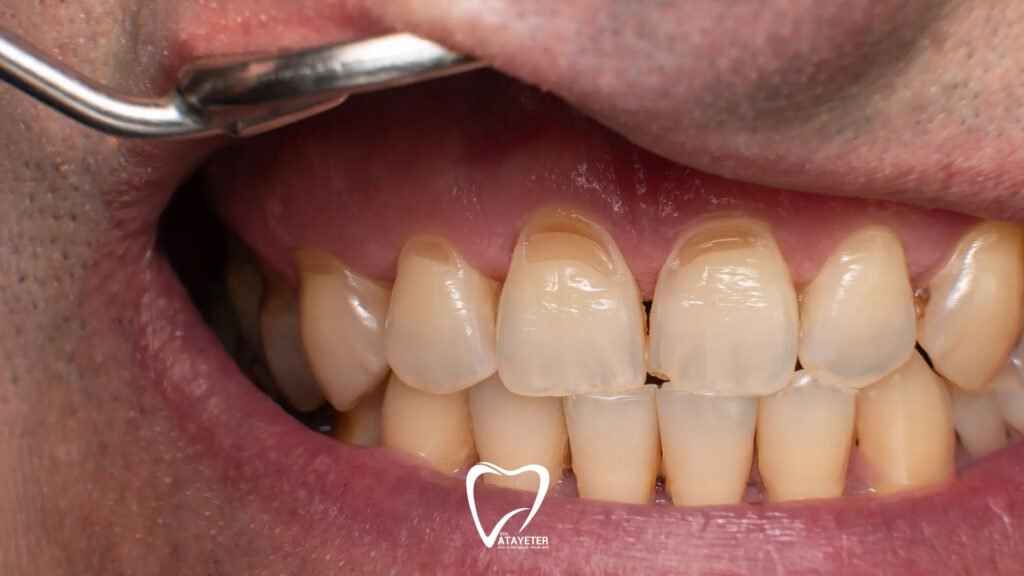
Tooth erosion often progresses quietly, and it can be hard to notice at first. But if you pay attention, your teeth can give you small hints early on. For example:
- Sensitivity: You may feel sudden discomfort when eating or drinking something hot or cold.
- Color changes: Enamel thinning may make your teeth look yellower or duller.
- Thinning or transparency at the edges: Especially noticeable at the tips of the front teeth.
- Loss of shine: Previously glossy teeth may appear dull.
- Minor indentations: Small pits or uneven spots may appear on the surface.
Is Tooth Erosion the Same as Cavities?
No, they are not the same. It’s important to understand the difference:
- Cavities: Caused by bacteria and sugars in the teeth.
- Erosion: Caused by acids directly damaging the enamel.
The downside is that erosion weakens teeth, making them more susceptible to cavities. In other words, they can trigger each other if erosion is present, teeth are more vulnerable to decay.
How to Prevent Tooth Erosion?
Preventing tooth erosion can be much easier than you think; a few small habit changes can make a big difference. For instance, it may not be realistic to completely give up acidic drinks, but reducing how often you consume them, using a straw, or rinsing your mouth with water afterward can help protect your teeth. Also, waiting at least 30 minutes after consuming something acidic before brushing prevents enamel from being damaged while it’s temporarily softened.
Using the right brush and technique is also crucial; a soft bristled toothbrush and gentle motions protect your teeth while reducing sensitivity. Supporting saliva production by drinking plenty of water or chewing sugar free gum provides natural protection. And of course, regular dental check ups are essential; erosion often progresses unnoticed, but early detection can prevent bigger problems down the line.
Comments are closed