







What Is a Dental Bridge and When Is It Needed?
Missing teeth may seem like a small issue at first, but they can lead to significant changes that impact everyday life more than expected. These gaps disrupt the harmony of your smile, affect your confidence, and sometimes even make you feel hesitant to speak or laugh openly. In fact, the absence of a single tooth can be enough to make someone pull back in social situations.
At this point, one of the effective solutions offered by modern dentistry is the dental bridge treatment. It restores both appearance and function, helping you regain comfort in your daily life. A dental bridge not only offers an aesthetic improvement but also reestablishes chewing balance, prevents oral misalignment, and supports overall oral health.
What Is a Dental Bridge?
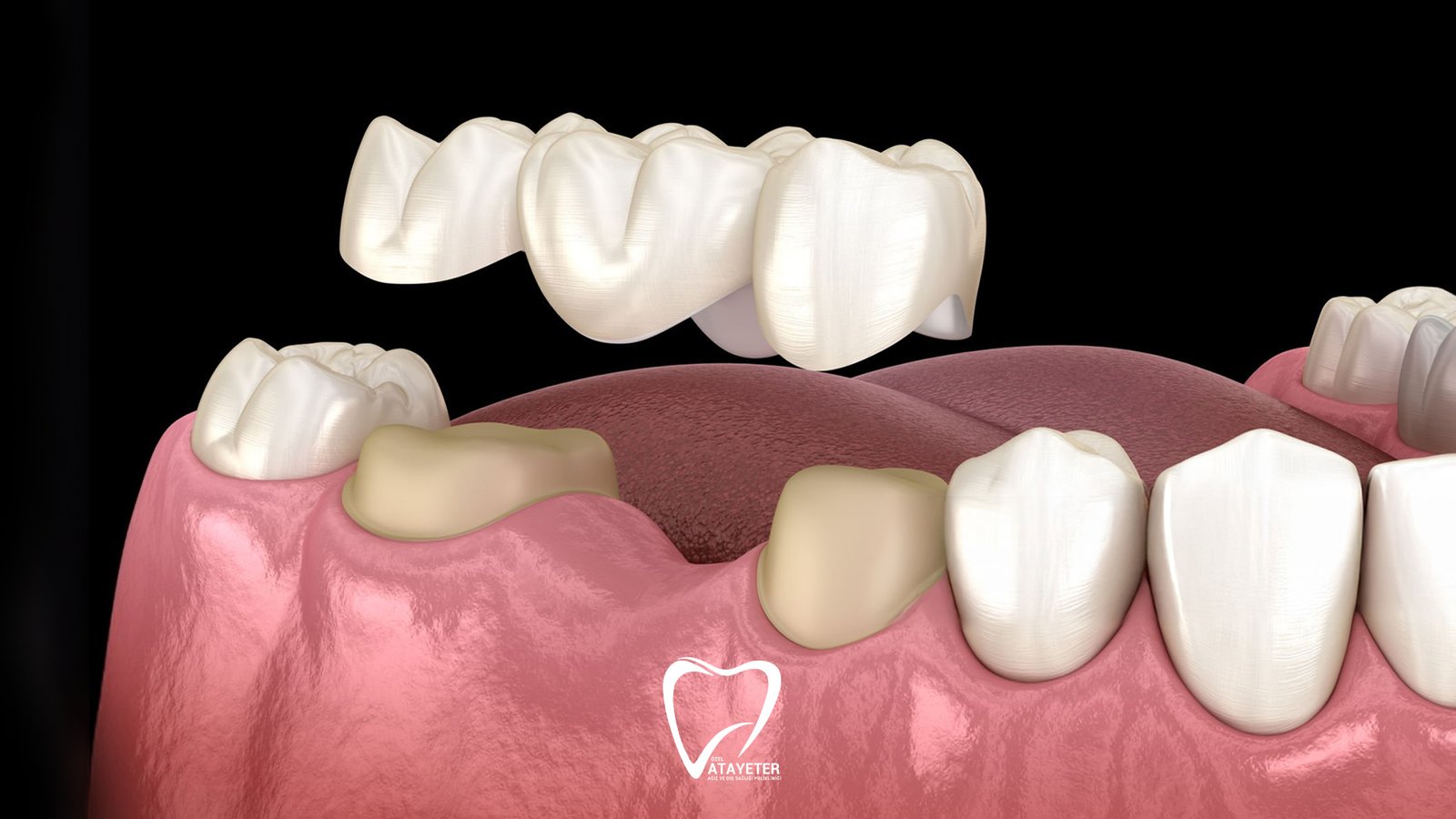
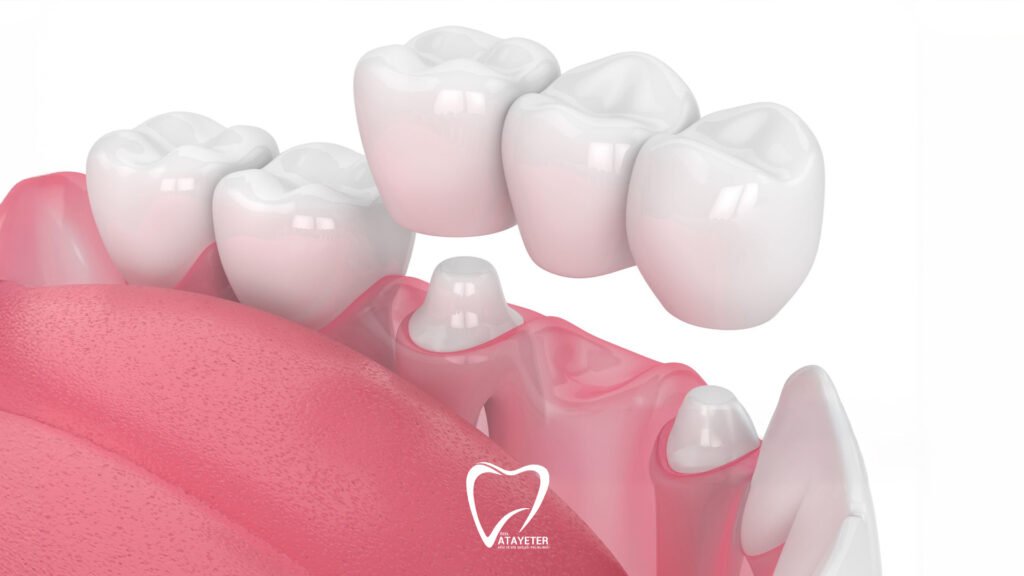
A dental bridge is a fixed prosthetic treatment designed to fill the space created by one or more missing teeth. Essentially, it uses the healthy teeth on both sides of the gap as support and places an artificial tooth in between. Because it is reliable and widely used, it has remained one of the preferred treatment methods for many years.
The name “bridge” comes from how the treatment functions. Just like a bridge rests on two strong pillars, the natural teeth next to the gap act as anchors. The artificial tooth placed between them called a pontic takes on the appearance and function of a natural tooth.
Some common reasons why dental bridges are preferred include:
They provide excellent aesthetics: They are crafted to match the natural shape and color of your teeth, making them nearly indistinguishable from the real ones.
They offer a stable, fixed solution: Unlike removable dentures, they stay firmly in place and do not cause movement or discomfort in daily use.
They restore chewing ability: Bridges help eliminate imbalance caused by missing teeth, allowing you to eat comfortably again.
They protect overall oral structure: When gaps remain for too long, surrounding teeth may shift into the empty space. A bridge prevents such movements and helps maintain a stable dental alignment.
Why Are Dental Bridges Used?
A dental bridge is used to replace missing teeth with a solution that looks and functions naturally. Since missing teeth can lead to more problems than expected, bridges play an essential role in both appearance and oral function. Below are the most common reasons patients seek this treatment.
Aesthetic Concerns and Visible Gaps
A missing tooth in the front region can significantly affect one’s appearance. Over time, it may lead to hesitation while smiling or even withdrawal in social environments. Bridge treatment quickly restores a natural look, helping patients regain confidence.
Chewing Difficulty
A missing tooth disrupts the chewing pattern and can cause adjacent teeth to take on excessive pressure. This may affect not only oral health but also digestion. In addition, it can lead to jaw joint discomfort, clicking sounds, or tenderness. A dental bridge restores proper function, bringing chewing back to its natural state.
Improving Speech
Missing teeth especially at the front can make it difficult to pronounce certain sounds properly. This may cause unintentional speech difficulties. Filling the gap with a bridge helps restore the natural flow of speech.
Preventing Tooth Shifting
Empty spaces in the mouth often cause surrounding teeth to drift into the gap. This can disrupt the bite and lead to alignment problems. A dental bridge keeps the teeth in their proper positions and helps prevent future orthodontic issues.
When Should a Dental Bridge Be Considered?
A dental bridge may not be suitable for every case of tooth loss, but it is an effective solution for many. When one or several teeth are missing and the adjacent teeth are strong and healthy, a bridge can provide quick and successful results. Since the bridge relies on these teeth for support, their strength is essential.
A bridge is also a safe and cost-effective alternative for individuals who cannot receive implants or whose bone structure does not support implant treatment. In some cases, a bridge not only replaces the missing tooth but also reinforces weak or damaged teeth to help maintain overall dental integrity.
Types of Dental Bridges
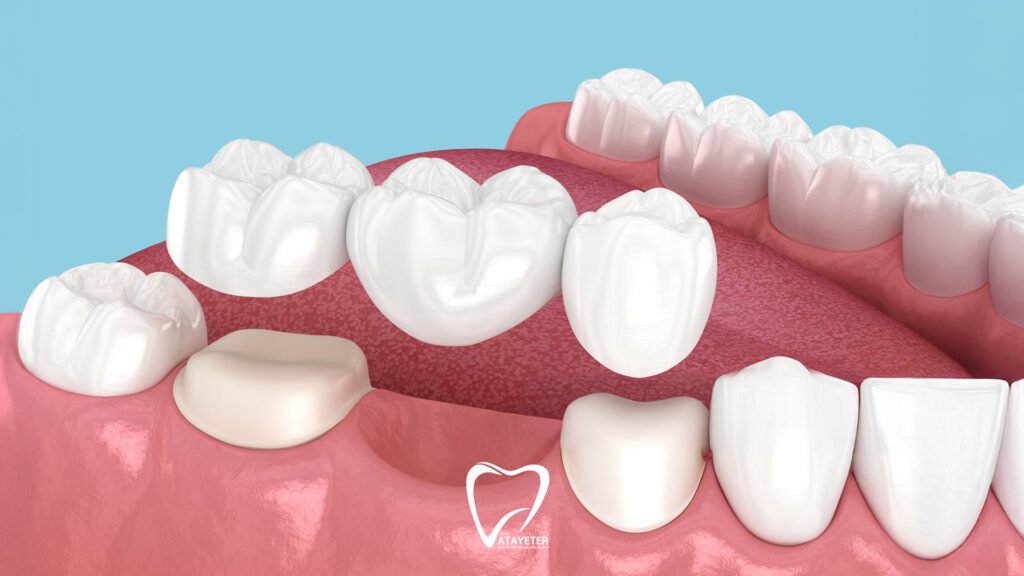
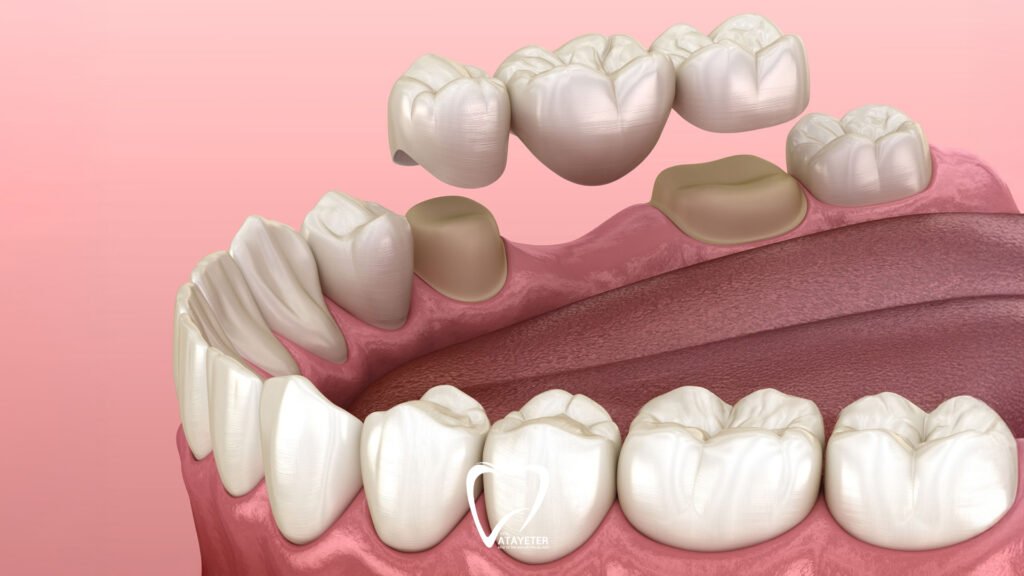
Since every patient’s needs are different, several bridge options are available. The most common method traditional bridges requires shaping the supporting teeth on each side of the gap and placing a natural-looking prosthetic tooth between them. When only one adjacent tooth is available, a cantilever bridge may be used, though it requires careful planning due to load distribution.
For patients who prefer not to have their teeth reduced, the Maryland bridge is a suitable option. It uses small wings to bond to neighboring teeth and is especially ideal for the front region. When several teeth are missing, implant supported bridges are preferred they are highly durable and long-lasting.
Dental Bridge Costs
The cost of a dental bridge varies depending on the patient’s oral structure, the number of missing teeth, and the material used. Some cases require treatment for a single tooth, while others may involve strengthening supporting teeth or using special bridge types. The choice of porcelain, zirconia, or implant supported bridges also affects pricing.
The most accurate cost can only be determined after a detailed examination. If you’d like to learn whether bridge treatment is right for you and receive a personalized cost estimate, feel free to contact our clinic. Our expert team is ready to assist you and create the most suitable treatment plan.
Comments are closed