







Differences Between Zirconia and Veneers
When it comes to dental aesthetics, two names usually come to mind first: zirconia and veneer restorations. Recently, those perfectly white smiles we see on social media, the “before and after” photos displayed in clinics, or a friend saying, “I got zirconia and I’m so happy with it”… all of these have made these two treatments even more popular. Sometimes we hear about them so often that it almost feels like they’re the same thing. But in reality, they differ significantly in both their application and purpose.
Many people go to the clinic feeling confused when deciding on dental aesthetics. Questions like “Which one is stronger?”, “Which looks more natural?”, “Will my teeth be heavily shaved?”, or “Will I have problems in the long run?” keep our minds busy. Because it’s not just about appearance; it’s also about health, comfort, and a treatment that you can trust for years. No one wants to regret their choice, especially when it comes to your smile… You want to feel good every time you look in the mirror.
Zirconia and veneers actually serve different needs. In some cases, zirconia is the better choice, while veneers can be ideal for others. The key question isn’t “which is better?” but “which one is right for me?” Every mouth, every tooth shape, and every aesthetic expectation is unique. What looks amazing on someone else may not give the same result on your teeth.
Clarifying your expectations is also really important. Do you want a whiter smile? Are you looking to hide minor misalignments in your front teeth? Or are you after a solution that combines both aesthetics and durability? The answers to these questions will guide your choice between zirconia and veneers. Additionally, the current condition of your teeth, any fillings or fractures, gum health, and chewing habits all play a crucial role in determining the right treatment.
What is Zirconia?
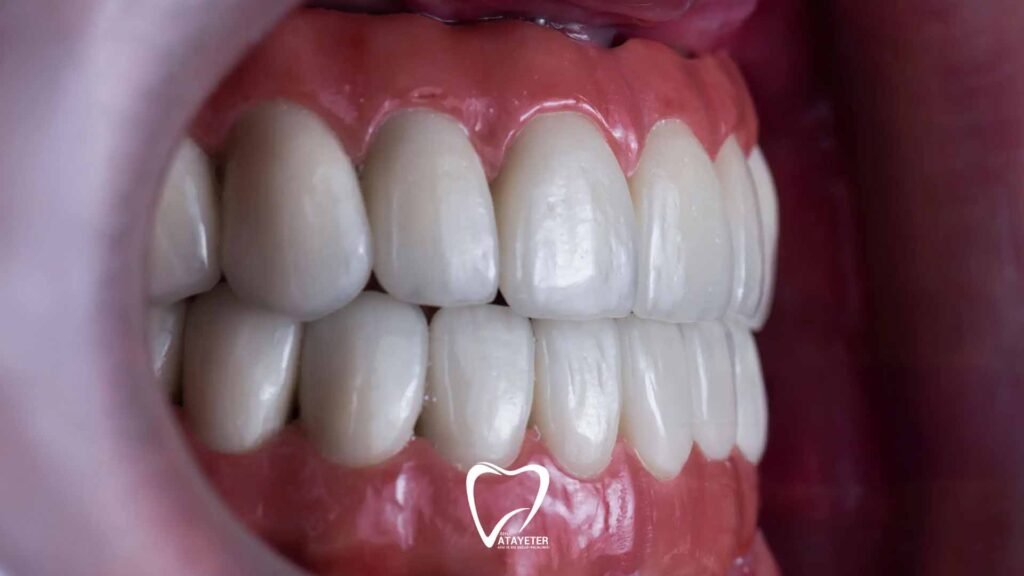
Zirconia crowns get their name from the white and highly durable material called “zirconia” used in their base. A layer of porcelain is applied over this white foundation to create a natural looking tooth. It was developed as an alternative to metal supported porcelain crowns. One of its most appreciated features is that its light transmission closely mimics that of natural teeth. When done correctly, it gives a vibrant, natural look rather than an artificial one.
In the past, metal based crowns were very common. Over time, however, gray lines near the gum and a dull appearance became noticeable, which bothered many people aesthetically. Zirconia eliminates most of these issues thanks to its white base. It blends better with the gums and reflects light more naturally, reducing the “crown look” effect.
Zirconia is usually recommended when there is significant tooth structure loss, for teeth that have had root canal treatment, in cases of severe misalignment, or when extra durability is needed for back teeth.
What are Veneers?
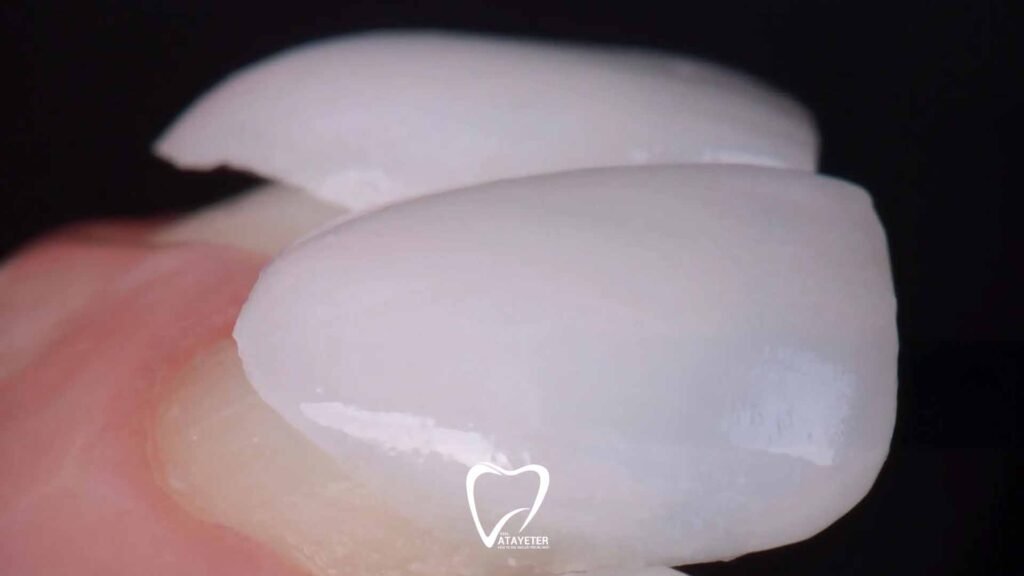
Veneers, commonly known as “porcelain laminates,” are among the most elegant options in cosmetic dentistry. True to their name, they are very thin like a delicate leaf. This thin porcelain layer is bonded only to the front surface of the tooth with special adhesives. The best part? The whole tooth doesn’t need to be shaved. Most of the time, little to no preparation is needed, so your natural tooth remains largely intact.
Veneers are generally used for aesthetic concerns with front teeth. For example, if tooth whitening cannot achieve the desired shade, if minor misalignments bother you, or if there are small gaps (diastemas) between teeth, veneers offer a highly effective solution. They are used more for “smile design” than for major structural problems.
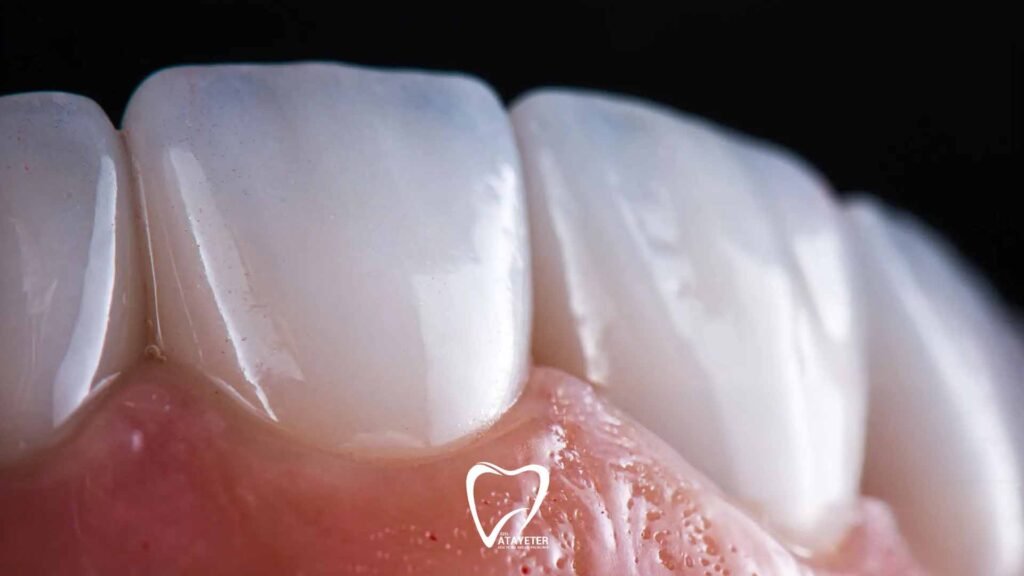
The main philosophy behind veneers is to preserve as much of the natural tooth as possible. For this reason, they are considered a more conservative treatment. When planned correctly, veneers can achieve both a natural and highly aesthetic result.
Key Differences Between Zirconia and Veneers
Now to the part that confuses most people… Zirconia or veneers? The clearest difference is in the application. Zirconia requires the tooth to be reduced all around so that the crown fits perfectly, completely covering the tooth. It’s a more comprehensive procedure. Veneers, on the other hand, are applied only to the front surface and usually require minimal preparation. If you want to preserve as much of your natural tooth as possible, veneers are often the more appealing option.
When it comes to durability, the picture changes a bit. Zirconia is very strong and handles the chewing forces of back teeth well. It’s even preferred for dental bridges. Veneers, being thinner and more delicate, are mostly used for front teeth for aesthetic reasons. If you have a habit of grinding your teeth or apply strong biting pressure, this should be considered, as veneers are not as resilient as zirconia under heavy force.
Aesthetically, both options can deliver satisfying results. Veneers, with their thin structure and light transmission, often create a more natural and lively look, especially in the front teeth where translucency and light reflection are key. Zirconia is also highly aesthetic, but because it fully covers the tooth, it can sometimes look very “perfect” and polished natural on some teeth, slightly artificial on others. The outcome largely depends on the dentist’s planning and the lab work.
Veneers are usually applied only to front teeth and offer a more conservative approach, though they cannot fully restore the tooth to its original state. Zirconia can be used on both front and back teeth, but since more tooth reduction is required, reversing the process isn’t an option. Regarding cost, veneers often require more delicate, aesthetic focused work, so they can be slightly more expensive than zirconia. Still, when deciding, it’s more important to focus on what suits your needs rather than just the price.
When to Choose Which?
There’s no one size fits all answer to this question. Really, there isn’t. Every mouth, every tooth history, and every person’s aesthetic expectation is different. That’s why the most accurate answer is: it depends on the individual.
If your teeth are generally healthy, you’re only concerned about color, or minor shape issues bother you, veneers can be an elegant solution. They create a big aesthetic change with minimal intervention. When you look in the mirror, you get that feeling of “something has changed, but it still looks completely natural.” Especially for front teeth, veneers often exceed expectations.
However, if there are large fillings, fractures, or root canal treated teeth, the choice may shift. Zirconia can be a safer and more durable option. It fully covers the tooth, providing both aesthetic and structural support. So it not only looks good but also stays strong. In some cases, veneers on the front teeth and zirconia on the back can be planned together. These methods don’t have to compete they can complement each other when properly planned.
Tips for Long Lasting Results
No matter which option you choose, the most critical factor is care. Really. Even the best material won’t last long without proper maintenance. Brushing regularly and correctly, using dental floss, and visiting the dentist every six months are essential habits.