







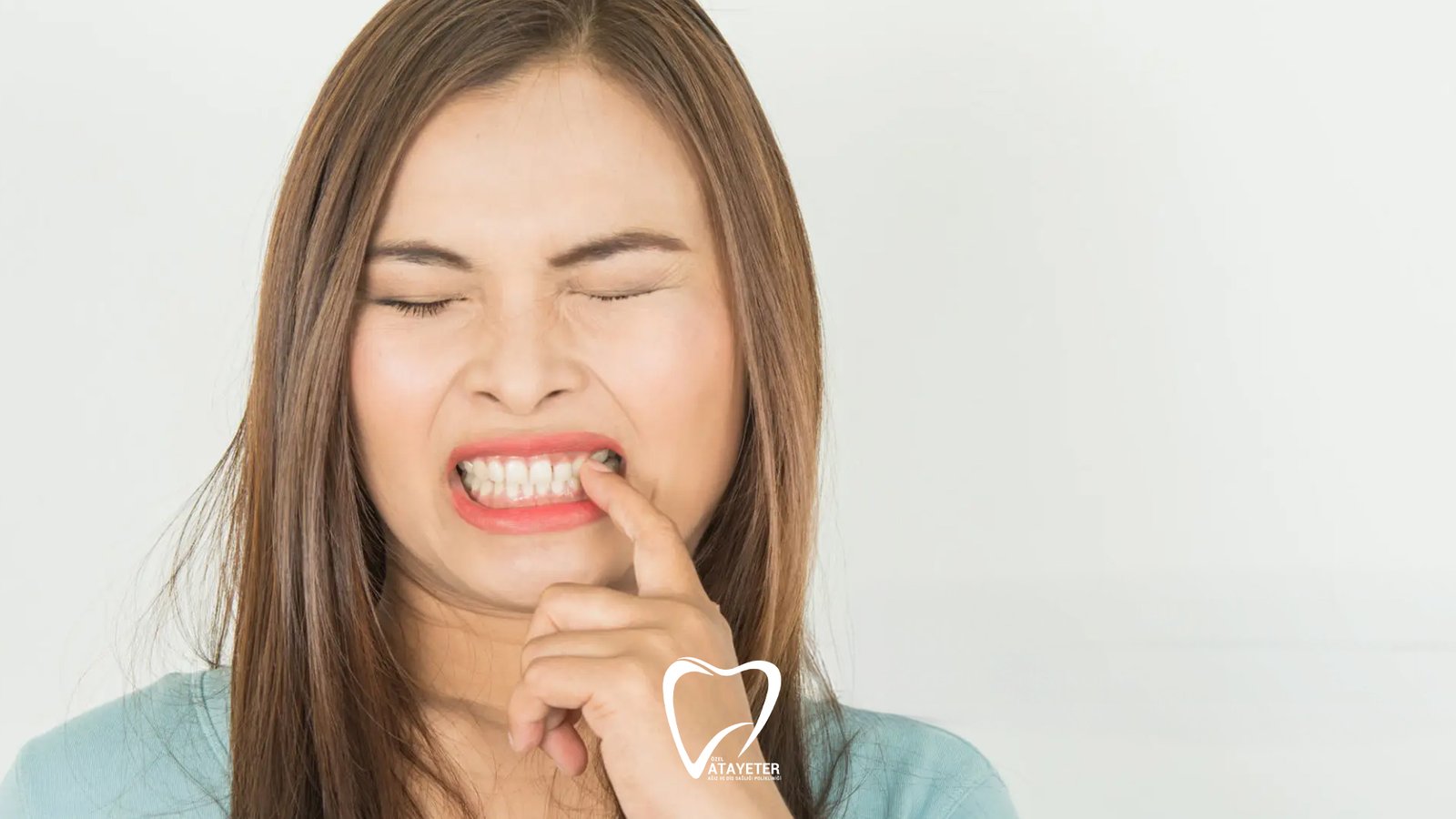
Causes of Gum Itching
Our gums are one of the most sensitive and important parts of our oral health, even if we don’t always notice. They not only protect our teeth but also give us clues about our overall health. For instance, changes in gum color, swelling, or tenderness may seem minor at first, but they can actually be signals our body is trying to send us.
One of these signals is gum itching. For some of us, it may feel like a minor, temporary irritation; however, this small warning can indicate changes in our gums or overall oral health. Sometimes the cause is simple neglect, while other times it could point to a deeper issue that should not be ignored.
Gum itching is often overlooked but is a warning that should be taken seriously. Our gums are a mirror of our health, and paying attention to them can make a big difference for both oral and overall well being. In this article, we will share possible causes of gum itching, when to take action, and simple steps you can follow in your daily routine.
Poor Oral Hygiene
Sometimes our gums seem to say, “Pay a little more attention to me!” One of the most common reasons for this is poor oral hygiene. Food particles left between teeth can lead to bacterial plaque, which over time irritates the gums and causes itching. If you notice your gums itching in the morning, it may be due to bacteria accumulating overnight.
Preventing this is actually simple: brush your teeth twice a day, use dental floss, and support your routine with antiseptic mouthwashes if needed. One reminder: be gentle when brushing your gums. Brushing too hard can increase itching and sensitivity.
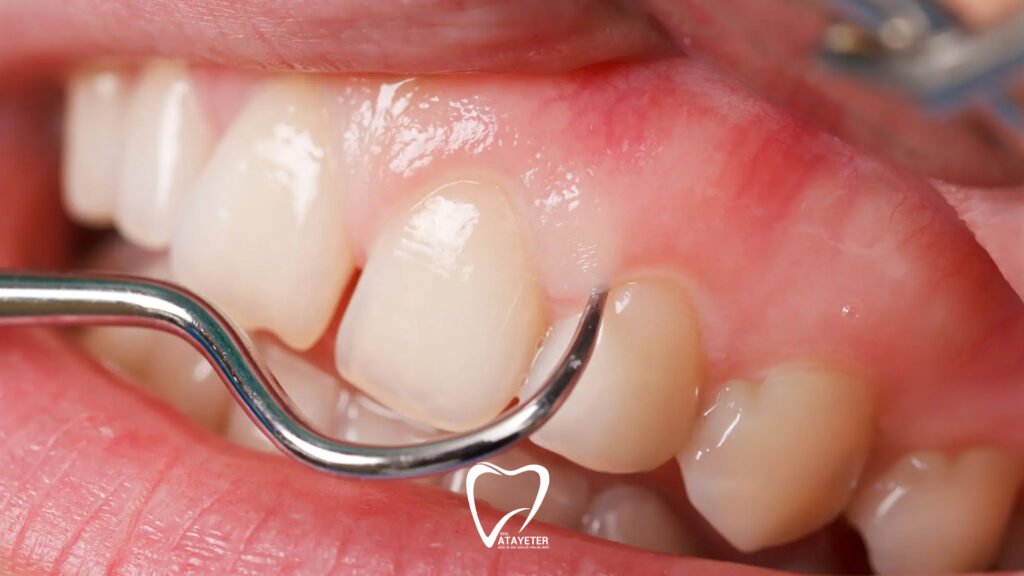
Gum Diseases
Sometimes gum itching is not just a simple warning; it may signal a more serious issue. Gum diseases such as gingivitis and periodontitis are among the most common causes of itching.
Gingivitis is inflammation of the gums. Red, swollen, and tender gums often come with itching. It usually develops when oral hygiene is neglected or due to habits such as smoking.
Periodontitis is the advanced stage of gingivitis and can damage the bone supporting your teeth. In addition to itching, it may cause gum recession, bleeding, and bad breath.
For this reason, if you feel itching or tenderness, consulting your dentist is very important. Early intervention helps prevent more serious problems in the future.
Allergic Reactions
Sometimes the cause of gum itching is a “visitor from outside”: allergies! Certain chemicals, additives, or sweeteners in oral care products can irritate the gums. Mint flavored toothpaste or mouthwash may trigger sensitivity in some people.
If the itching started after you began using a new product, stopping it for a while and trying a different one may help. Also, choosing products with natural and sensitivity friendly ingredients can reduce the risk of allergic reactions.
Hormonal Changes
Hormones can sometimes put women’s gums into “sensitive mode.” During pregnancy, menstruation, or menopause, changes in estrogen and progesterone levels make the gums more sensitive. During these periods, gums can easily become inflamed, itchy, and even bleed.
Therefore, it’s very important not to skip regular dental check ups and to pay extra attention to oral hygiene during these times. Gargling with mild salty water or using a soft toothbrush can help reduce discomfort in the gums.
Dry Mouth
Dry mouth can also lead to gum itching. Saliva plays a very important role in controlling bacteria in the mouth. When saliva production is insufficient, bacteria accumulate, which can cause itching and irritation.
To prevent this, drink plenty of water, chew sugar free gum, and avoid breathing through your mouth while sleeping. In some cases, products that increase saliva, recommended by your doctor, can also be used.
Dental Prosthetics and Orthodontic Appliances
Dentures, braces, or other oral appliances can also cause friction and itching in the gums. Newly fitted dentures or braces may irritate the gums in the first few days. This is usually normal and tends to improve within a few days.
However, if itching and discomfort persist, your dentist should check the appliance. Ensuring the denture or brace does not press on the gums and is properly fitted can significantly reduce itching.
Nutritional Deficiencies
The health of our gums is directly linked to nutrition. Deficiencies in vitamin C, vitamin D, zinc, and calcium can lead to itching and sensitivity in the gums. A lack of these nutrients weakens the gums and makes them more prone to irritation.
A balanced and nutrient rich diet helps keep your gums healthy. Fresh vegetables and fruits, dairy products, and nuts are all beneficial for gum health.
Stress and Psychological Factors
It may sound surprising, but stress can make your gums itch! Stress affects the immune system and makes gums more sensitive. In addition, neglecting oral hygiene during stressful periods can worsen itching.
Comments are closed