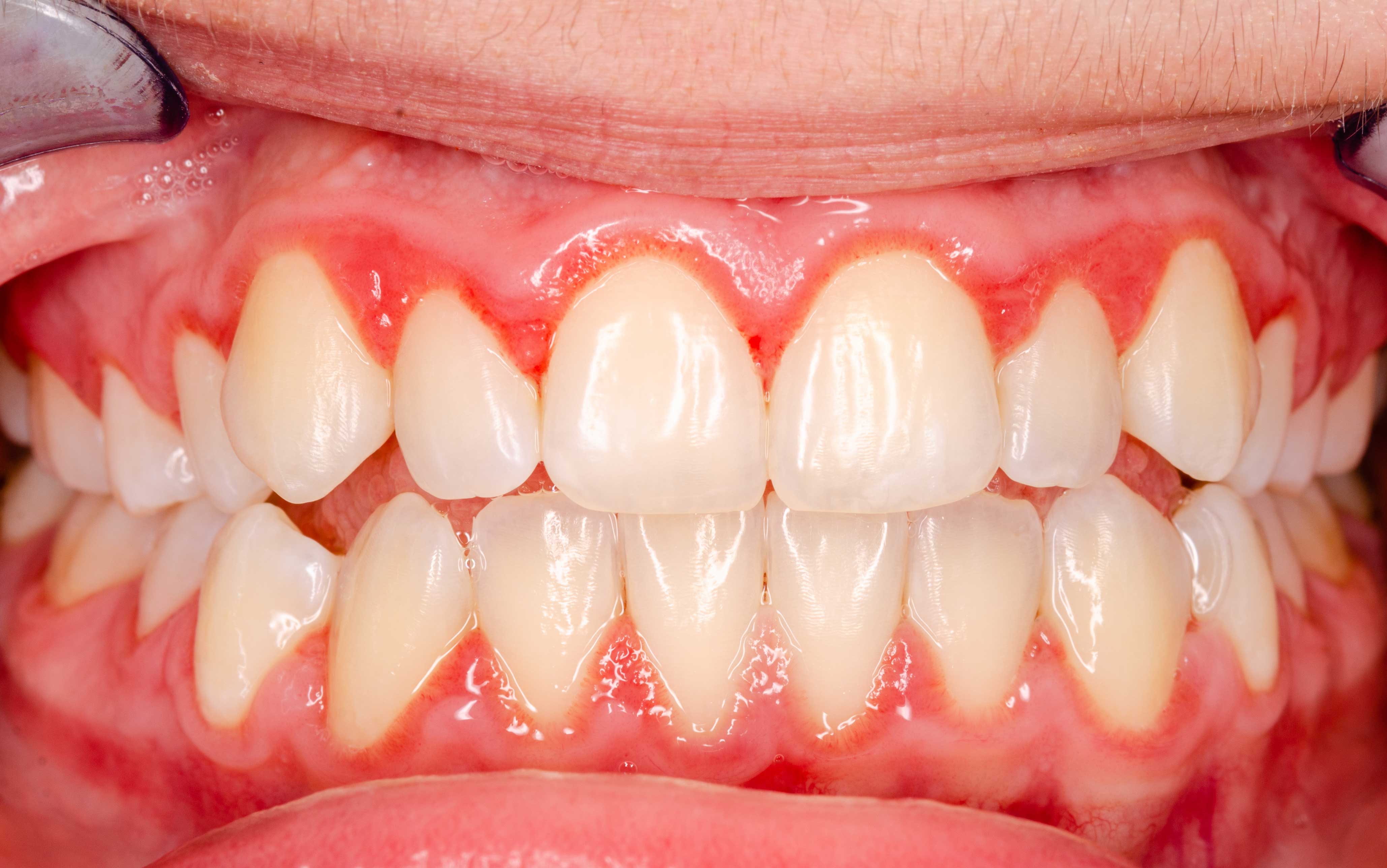
What Is a Tooth Abscess? What Are the Symptoms?
A tooth abscess, one of the infections that can occur in oral and dental health, develops when pus accumulates inside the tooth, around the tooth root, or in the gums as a result of a bacterial infection. It may cause symptoms such as severe toothache, swelling of the gums, sensitivity to hot and cold, pain while chewing, and swelling in the face. If not evaluated and treated in time, the infection may spread to surrounding tissues.
A tooth abscess should not be considered merely a temporary problem that causes pain. A dental examination is important to identify the source of the infection and determine the appropriate treatment. In some patients, the pain may be very noticeable, while in others the infection may progress despite relatively mild discomfort. Therefore, the severity of symptoms alone should not be used to determine the extent of the problem.
So, what is a tooth abscess, why does it occur, what symptoms does it cause, and how is it treated? In this guide prepared for Atayeter Dental Clinic, we discuss the main points you need to know about tooth abscesses in detail.
What Is a Tooth Abscess?
A tooth abscess can be defined as an accumulation of pus in a specific area of the tooth or surrounding tissues as a result of a bacterial infection. The infection may begin in the pulp tissue inside the tooth or may develop in the gums and supporting tissues surrounding the tooth.
The outer layer of the tooth is enamel, beneath which lies dentin, and deeper inside is the living tissue known as the pulp. The pulp consists of nerves, blood vessels, and connective tissue. When bacteria reach the pulp through deep decay, a fracture, or a crack, inflammation may develop. If the infection progresses, it can reach the tip of the tooth root and lead to abscess formation in that area.
In gum-related infections, bacteria may multiply in the tissues between the tooth and the gum. Periodontal pockets that may develop in advanced gum disease can create a suitable environment for bacterial accumulation.
Symptoms and treatment may vary depending on where the abscess develops. For this reason, a clinical examination and, when necessary, radiographic imaging are required for an accurate diagnosis.
What Causes a Tooth Abscess?
One of the main causes of a tooth abscess is bacteria in the mouth reaching the deeper structures of the tooth or surrounding tissues. Several conditions may contribute to this process.
Advanced Tooth Decay
Untreated tooth decay can progress over time from the enamel to the dentin and eventually reach the pulp tissue. When bacteria reach the pulp, an infection may develop.
At an advanced stage, the infection can travel through the root canals and cause an abscess at the tip of the tooth root. For this reason, even a small cavity should not be left untreated for a long period.
Cracked or Broken Teeth
Cracks and fractures in a tooth may allow bacteria to reach the inner tissues. The risk of infection may increase especially when the crack extends into the pulp.
Even if there is no obvious cavity, trauma or a crack may damage the pulp.
Dental Trauma
A strong blow to a tooth can damage the pulp tissue. While the effects of some injuries appear immediately, in other cases the pulp may gradually lose its vitality.
When the pulp loses its vitality, bacterial growth within the tissue may create favorable conditions for infection and abscess formation.
Gum Disease
Advanced gum disease can affect not only the gums but also the bone and supporting tissues surrounding the teeth.
Bacteria may accumulate in deep periodontal pockets that develop between the teeth and gums, potentially leading to a periodontal abscess.
Poor Oral Hygiene
Failure to brush regularly and clean between the teeth can increase plaque and bacterial buildup. This may raise the risk of tooth decay and gum disease.
Therefore, maintaining regular oral hygiene is important in reducing the underlying problems that may lead to a tooth abscess.
What Are the Symptoms of a Tooth Abscess?
Tooth abscess symptoms may vary from person to person and according to the location of the infection. In some patients, symptoms develop rapidly, while in others they may progress more gradually.
The most common symptoms include:
- Persistent or throbbing toothache
- Pain while chewing or biting
- Sensitivity to hot or cold foods
- Swollen gums
- Tenderness around the tooth root
- Facial or cheek swelling
- A bad taste in the mouth
- Bad breath
- Redness of the gums
- Pus or drainage
- Tender lymph nodes in the neck
- Fever and general weakness in advanced infections
Having one or more of these symptoms does not necessarily confirm the presence of a tooth abscess. Similar symptoms may occur with other oral and dental conditions.
A dental evaluation is required for a definitive diagnosis.
What Does Tooth Abscess Pain Feel Like?
Pain caused by an abscess is often intense, throbbing, or constant. It may not remain limited to the affected tooth and can spread to the jaw, ear, cheek, or neck.
The pain may become more severe when chewing or applying pressure to the tooth. Hot and cold foods may also increase sensitivity.
In some patients, the pain may become more noticeable at night. However, an important point is that reduced pain does not necessarily mean the infection has completely disappeared.
When the nerve tissue inside the tooth loses its vitality, pain may decrease. Despite this, the infection may continue to progress in the tissues surrounding the tooth root.
What Are the Types of Tooth Abscesses?
Tooth abscesses may be classified according to the area in which they develop.
Periapical Abscess
A periapical abscess generally develops at the tip of the tooth root. It most commonly occurs as a result of an advanced infection that has reached the pulp tissue.
Deep cavities, trauma, fractures, or cracks may cause the pulp to become infected. The infection may then travel through the root canal and reach the tissues around the root tip.
Periodontal Abscess
A periodontal abscess develops in the gums and supporting tissues surrounding the tooth.
It may occur when bacteria multiply inside periodontal pockets, particularly in people with advanced gum disease.
Gingival Abscess
A gingival abscess develops more superficially in the gum tissue. It may occur due to a foreign object becoming lodged in the gum or because of a localized infection.
Correctly identifying the type of abscess is important for planning the appropriate treatment.
How Is a Tooth Abscess Diagnosed?
In patients suspected of having a tooth abscess, the dentist first performs an oral examination.
During the examination, the location of the pain, swelling, gum condition, presence of decay or fractures, and other clinical findings are evaluated.
The dentist may gently press or tap on the tooth to check for tenderness. Various tests may also be used to assess pulp vitality.
When necessary, X-rays are taken. Radiographic examination can help evaluate infection around the tooth root and changes in the surrounding bone tissue.
In more complex cases where the infection is suspected to have spread to surrounding tissues, additional imaging methods may be required.
How Is a Tooth Abscess Treated?
Tooth abscess treatment is planned according to the source and location of the infection, the condition of the affected tooth, and the health of the surrounding tissues.
The primary goal of treatment is to eliminate the source of infection and, whenever possible, preserve the natural tooth.
Root Canal Treatment
If the infection originates from the pulp tissue and the tooth can be preserved, root canal treatment may be performed.
During root canal treatment, infected or damaged pulp tissue is removed. The root canals are then cleaned, shaped, and disinfected before being sealed with appropriate filling materials.
Depending on the amount of healthy tooth structure remaining, the upper part of the tooth may later be restored with a filling, onlay, crown, or another suitable restoration.
Abscess Drainage
In some cases, the accumulated pus may need to be drained. The dentist may perform an appropriate drainage procedure depending on the location of the infection.
However, simply draining the abscess does not mean that the underlying cause of the infection has been completely eliminated. The tooth or gum condition responsible for the infection must also be treated.
Periodontal Treatment
If the tooth abscess is caused by gum disease, periodontal treatments may be required.
Removing bacterial deposits from the tooth and root surfaces and controlling periodontal pockets may form part of the treatment plan.
Tooth Extraction
If the tooth is severely damaged, cannot be restored, or cannot be preserved with treatment, extraction may be considered.
The decision to extract the tooth should be made after a clinical and radiographic evaluation.
Are Antibiotics Used for a Tooth Abscess?
One of the most frequently asked questions regarding a tooth abscess is whether antibiotics are necessary.
Antibiotics are not required for every tooth abscess. The need for antibiotics is evaluated by the dentist according to the spread of the infection, the patient’s general health, and the presence of additional symptoms.
In some cases involving fever, widespread facial swelling, or signs of systemic infection, antibiotic treatment may be considered.
However, antibiotics alone do not eliminate the underlying problem inside the infected tooth. Therefore, the necessary dental treatment must still be performed.
Antibiotics should not be used without the recommendation of a healthcare professional.
Can a Tooth Abscess Go Away on Its Own?
The pus inside a tooth abscess may occasionally drain on its own. When this happens, pain and pressure may temporarily decrease.
However, a reduction in symptoms does not mean that the source of the infection has disappeared. Infection may remain in the affected tooth or periodontal tissues.
For this reason, a dental examination is still important even if the abscess has drained.
Untreated infection may recur or spread to surrounding tissues.
What Happens If a Tooth Abscess Bursts?
If an abscess drains into the mouth, a bad taste or foul-smelling fluid may be noticed. Swelling and pain may also decrease temporarily.
However, this does not mean that treatment is complete.
The source of the infection must be identified and appropriate dental treatment should be performed. Patients should not attempt to squeeze, puncture, or drain an abscess themselves.
What Happens If a Tooth Abscess Is Left Untreated?
Untreated dental infections may spread to surrounding tissues.
An infection that initially affects only the area around the tooth root may eventually spread to the jawbone, soft tissues, and other areas of the face.
In advanced infections, serious symptoms such as significant facial swelling, fever, worsening general health, difficulty swallowing, or difficulty breathing may occur.
For this reason, a tooth abscess is an oral health condition that should be evaluated at an early stage.
Rapidly increasing facial or neck swelling, high fever, difficulty breathing, or difficulty swallowing requires urgent medical evaluation.
How Can a Tooth Abscess Be Prevented?
It may not be possible to prevent every tooth abscess completely. However, regular oral care aimed at preventing cavities and gum disease may help reduce the risk.
Brush Your Teeth Regularly
Regular brushing using an appropriate technique helps control plaque buildup.
Clean Between the Teeth
A toothbrush may not adequately reach all areas between the teeth. Dental floss or interdental cleaning products recommended by a dentist may be used.
Attend Regular Dental Check-Ups
Cavities do not always cause pain in their early stages. Regular dental check-ups may help identify certain problems before they progress.
Treat Cavities Early
A small cavity that is not treated early may eventually progress into the pulp tissue.
Early treatment may help preserve more of the natural tooth structure.
Have Dental Trauma Evaluated
A strong blow to the tooth may cause internal tissue damage even if no fracture is visible from the outside.
After dental trauma, a dental examination may be recommended when appropriate.
When Should You See a Dentist for a Tooth Abscess?
A dental evaluation is recommended for symptoms such as persistent toothache, pain while chewing, gum swelling, or sensitivity to hot and cold.
Dental care should not be delayed especially in the following situations:
- Tooth pain that becomes progressively worse
- Swelling of the gums or face
- Pus or drainage inside the mouth
- Fever
- Severe pain while chewing
- Swelling significant enough to cause facial asymmetry
- Swelling spreading toward the neck
Symptoms such as difficulty swallowing or breathing may require emergency medical evaluation.
Frequently Asked Questions About Tooth Abscesses
How Long Does a Tooth Abscess Take to Heal?
The healing time of a tooth abscess may vary depending on the source of the infection, how far it has spread, and the treatment performed. Therefore, there is no specific time frame that applies to every patient.
Can a Tooth Abscess Come Back?
If the underlying cause of the infection is not completely treated, the abscess may recur. A new infection may also develop for different reasons in a previously treated tooth.
Can a Tooth Abscess Be Treated Without Extracting the Tooth?
Some teeth can be preserved with root canal treatment or periodontal treatment. However, not every tooth can be saved. The decision depends on the remaining tooth structure and the condition of the surrounding tissues.
Can Root Canal Treatment Be Performed on an Abscessed Tooth?
In suitable cases where the tooth can be preserved and the infection originates from the pulp, root canal treatment may be performed. The treatment plan is determined after clinical examination and radiographic evaluation.
Can a Tooth Abscess Be Painless?
Yes. Some chronic infections may not cause noticeable pain. Therefore, the absence of pain does not necessarily mean that the tooth and surrounding tissues are completely healthy.
Conclusion: Why Is Early Treatment Important for a Tooth Abscess?
A tooth abscess is an important oral and dental health condition that may develop as a result of a bacterial infection in the internal tissues of the tooth or in the surrounding gums and supporting tissues.
It may cause symptoms such as throbbing toothache, tenderness while chewing, swollen gums, facial swelling, a bad taste in the mouth, and in some cases fever.
Treatment varies depending on the source of the abscess. Root canal treatment, periodontal treatment, drainage, or tooth extraction when the tooth cannot be saved may be considered.
Temporary improvement in symptoms or spontaneous drainage of the abscess does not mean that the infection has been completely eliminated. A dental examination is important to identify the source of the infection and establish an appropriate treatment plan.
At Atayeter Dental Clinic, the condition of the tooth and surrounding tissues can be evaluated through clinical examination and appropriate imaging methods, allowing treatment options to be considered according to the individual patient’s needs. If persistent toothache, swelling, or signs of infection are present, dental evaluation should not be delayed.