One of the most fundamental steps in maintaining oral and dental health is regular professional dental cleaning (scaling). However, the widespread public misconception that "cleaning dental calculus scratches the enamel, thins, or wears down teeth" causes many people to postpone this vital procedure.
So, is this claim true? Does dental scaling really thin your teeth? In this article, we cover everything you need to know in detail, from calculus formation and the cleaning process to post-treatment sensations and key precautions.
What Is Dental Calculus (Tartar) and How Does It Form?
After eating, a transparent, sticky film forms on the surfaces of your teeth. Known as dental plaque, this layer hardens by combining with calcium and minerals in your saliva when regular and proper brushing is neglected. This hardened structure is called dental calculus (tartar).
Once tartar forms, it cannot be removed at home using a standard toothbrush or dental floss. It strictly requires professional intervention by a dentist using specialized equipment.
Does Dental Scaling Thin Your Teeth?
The short and clear answer: No, dental scaling definitely does not thin your teeth.
Scaling (detartrage) causes zero damage to the dental enamel, which is the outermost layer of the tooth and the hardest tissue in the human body. The primary reasons why this procedure does not thin your teeth include:
Working Principle of Ultrasonic Devices: Instruments used in professional cleaning do not scrape or cut the tooth. They operate using high-frequency sound waves (vibrations) and water spray. These vibrations exclusively shatter and detach the tartar deposits adhering to the tooth surface without touching the actual tooth structure.
Hardness of the Enamel Layer: Tooth enamel features a calcium-based crystalline structure. Ultrasonic tips lack the mechanical force required to abrade or thin healthy enamel.
What Is Removed Is Waste, Not Tooth Structure: The material shedding or feeling reduced during the procedure is not the tooth itself, but the foreign layer of tartar that has encased the tooth like armor.
Why Do Teeth Feel "Thinned / Spaced Out" After Cleaning?
The illusion most frequently voiced by patients after treatment is that the gaps between their teeth have widened or that their teeth feel thinner. The physiological reasons behind this sensation are straightforward:
Removal of the Synthetic Armor: When calculus remains uncleaned for extended periods, it covers the teeth and fills the interdental spaces. Once cleaned, this artificial bulk disappears. As the tongue no longer feels that thick layer, it perceives the teeth as "thinned" or "spaced apart."
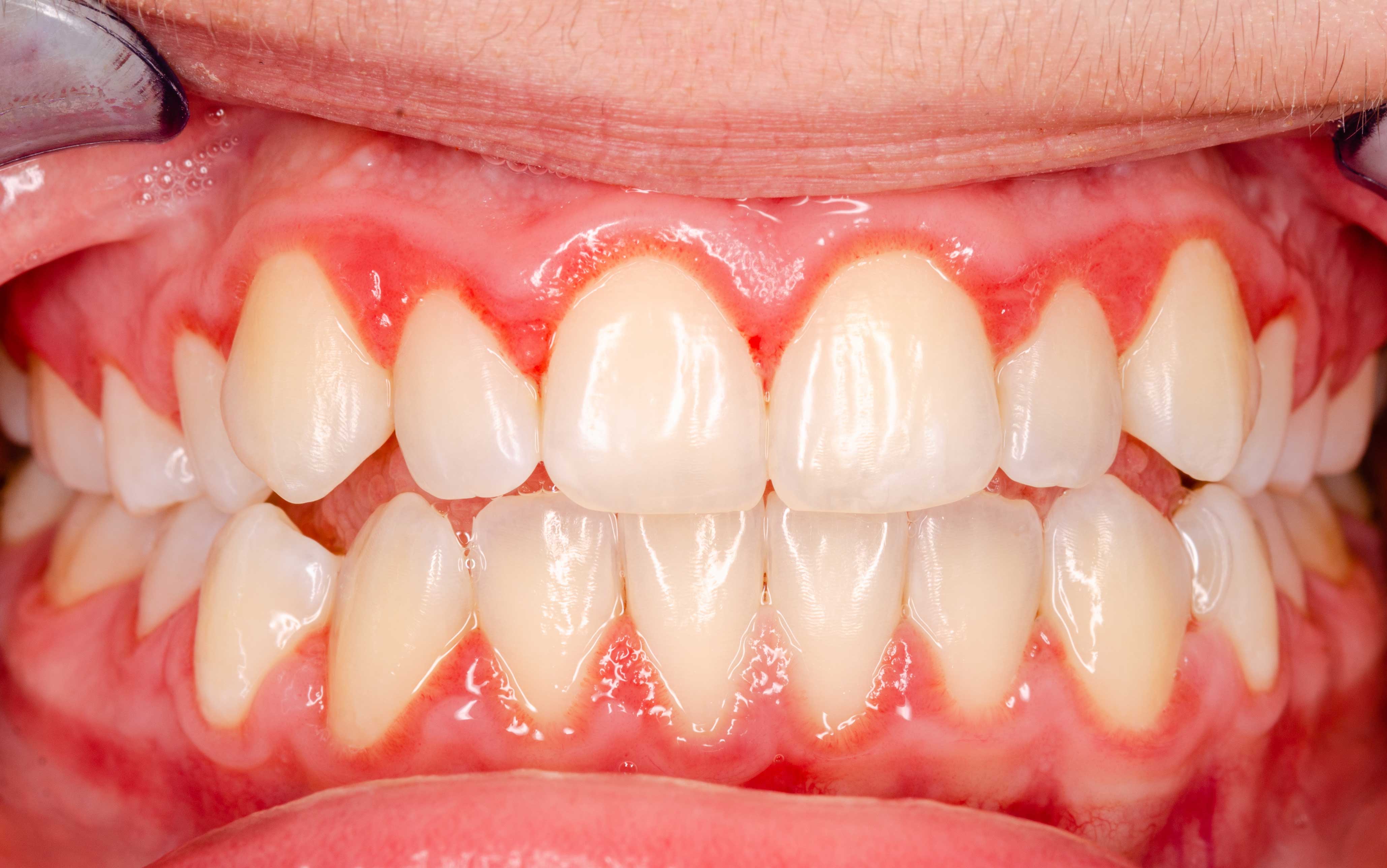
Unmasking Gum Recession: Tartar exerts pressure on the underlying gums, leading over time to inflammation and gum recession. When the tartar is removed, pre-existing gaps that were previously hidden behind the deposits become visible. In other words, the spaces are created not by the cleaning, but by the tissue loss caused by unremoved tartar.
Frequently Asked Questions (F.A.Q.)
1. Does dental scaling become habit-forming? Will I have to get it done repeatedly?
Dental scaling is not an addictive procedure. The rate at which tartar reaccumulates depends entirely on your personal oral hygiene, saliva composition, and dietary habits. While calculus formation remains minimal in individuals who brush regularly, deposits naturally rebuild if oral care is neglected.
2. Does scaling cause tooth sensitivity?
Experiencing mild sensitivity to hot and cold foods for the first few days post-procedure is completely normal. This can persist until the newly exposed tooth surfaces adapt to the oral environment. It typically resolves spontaneously within a few days, especially with the use of desensitizing toothpaste.
3. How often should I get my teeth cleaned?
According to general dental standards, routine dental check-ups and scaling (if needed) are recommended every 6 months. For individuals with exceptional oral hygiene, this interval may extend to once a year, whereas those prone to periodontal disease may require check-ups every 3 to 4 months.
4. What happens if dental calculus is left untreated?
Untreated tartar gradually progresses beneath the gumline. Advanced calculus buildup leads to bleeding gums, halitosis (bad breath), periodontitis (severe gum infection), and ultimately the loss of intact teeth due to bone resorption.
The Right Address for Your Oral and Dental Health
Dental scaling is the most effective preventive dental procedure for avoiding severe gum diseases that can lead to tooth loss. Rather than risking your oral health based on popular myths, scheduling routine cleanings under the supervision of a specialist will extend the lifespan of your teeth.
For patients seeking professional oral and dental care in our region, choosing the right diagnosis and hygienic conditions is essential when looking for a Çayırova dental clinic. You can safeguard your smile by undergoing an examination at a comprehensive Çayırova dental center catering to concerns like bad breath, bleeding gums, or routine check-ups.
If it has been a while since your last dental visit, you can schedule an appointment at our clinic offering high-standard services like a Çayırova dental hospital, and take a confident step toward a healthy smile with a thorough evaluation by an experienced Çayırova dentist.
This article is for general information only; please consult your dentist for diagnosis and treatment.